






More Than a Lakeside Retreat
For many travelers, Nainital is a picturesque escape, a place of paddle boats, candle shops, and sunset views from Snow View point. But beneath this postcard-perfect surface lies the true soul of the Kumaon region. This town isn’t just a destination;
it’s a living museum of Kumaoni culture, a place where the charm of the old world meets the robust, earthy flavors of the mountains. To truly experience Nainital is to taste it, to let its unique culinary heritage tell you the story of the land and its people. The journey begins the moment you step onto the bustling Mall Road, where the promise of discovery hangs in the air alongside the gentle mist rolling off the water.
The Heart of Kumaoni Cuisine
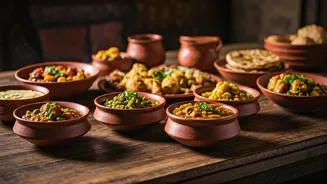
Kumaoni food is a reflection of the mountains themselves: simple, nourishing, and deeply rooted in what the rugged land provides. It’s a cuisine born of necessity and wisdom, relying on locally grown lentils, coarse grains, and hardy vegetables. Forget the creamy, complex curries you might associate with mainstream Indian food. Here, the flavors are direct and honest. Key ingredients include *bhatt* (black soybeans), *gahat* (horse gram), and a variety of mountain greens. Spices are used with a light hand, often featuring a unique Himalayan herb called *jakhya*, which adds a pungent, nutty crunch. Dishes are traditionally cooked slowly over a low fire, often in iron pans, which imparts a distinct, rustic character to every meal.
A Culinary Walk Down Mall Road
The Mall Road, a vibrant promenade hugging the edge of Naini Lake, is the town’s beating heart. Lined with hotels, shops, and restaurants, it’s the perfect place to start your gastronomic tour. As you stroll, the aroma of roasted corn-on-the-cob (*bhutta*), seasoned with salt and lime, beckons from small vendor carts. But for a true taste of the region, look for vendors selling *aloo ke gutke*. This simple, soul-warming snack consists of boiled potato cubes stir-fried with spices like red chili flakes, coriander, and turmeric. Often served with a side of Kumaoni *raita* (a savory yogurt dip) and a hearty local bread, it’s the ultimate mountain comfort food—unpretentious, flavorful, and beloved by locals and visitors alike. It's the kind of dish that warms you from the inside out on a cool evening.
Diving into the Bazaars
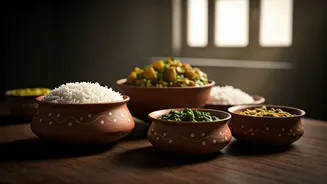
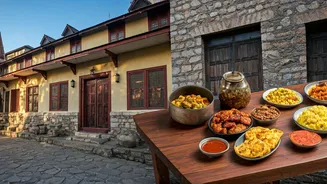
To find the deeper flavors, you must venture into the Bara Bazaar or the nearby Tibetan Market. These narrow, winding lanes are a sensory overload in the best way possible. Here, you’ll find authentic eateries tucked away between shops selling spices and woolens. This is where you can try a full Kumaoni thali, or plate. A must-try is *bhatt ki churkani*, a rich, black soybean gravy that’s both creamy and earthy. It's typically eaten with steamed rice. Another staple is *kafuli*, a thick, green stew made from spinach and fenugreek leaves that is deceptively simple and incredibly delicious. These dishes aren't just food; they’re a taste of home for anyone from the region, a direct connection to the agricultural rhythms of the Himalayan foothills.
The Unforgettable Sweet Finish
No culinary journey through Kumaon is complete without sampling its iconic sweets. The most famous is *bal mithai*. You'll see it in every sweet shop: dense, dark brown fudge-like rectangles made from roasted *khoya* (evaporated milk solids) and coated in tiny white sugar balls. The texture is a delightful contrast—the smooth, chocolatey fudge gives way to the crunchy sugar pearls. It’s intensely sweet but utterly addictive. Another local favorite is *singori*, a cone-shaped sweet also made from *khoya* but flavored with coconut and cardamom, then wrapped in a fresh *malu* leaf, which imparts a subtle, fragrant aroma. Taking one of these sweets with a cup of hot tea is the quintessential Nainital experience.