


From Ballrooms to the Backcountry
The classic American wedding, with its cavernous reception hall, tiered cake, and a DJ playing decade-old hits, is no longer the only option on the table. Neither is the honeymoon spent lounging by a crowded resort pool. A significant shift is underway,
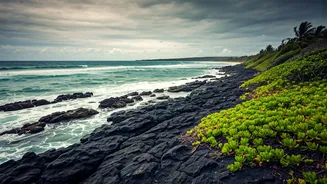
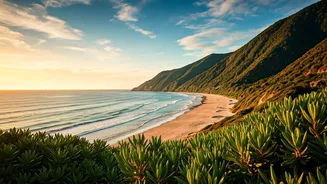
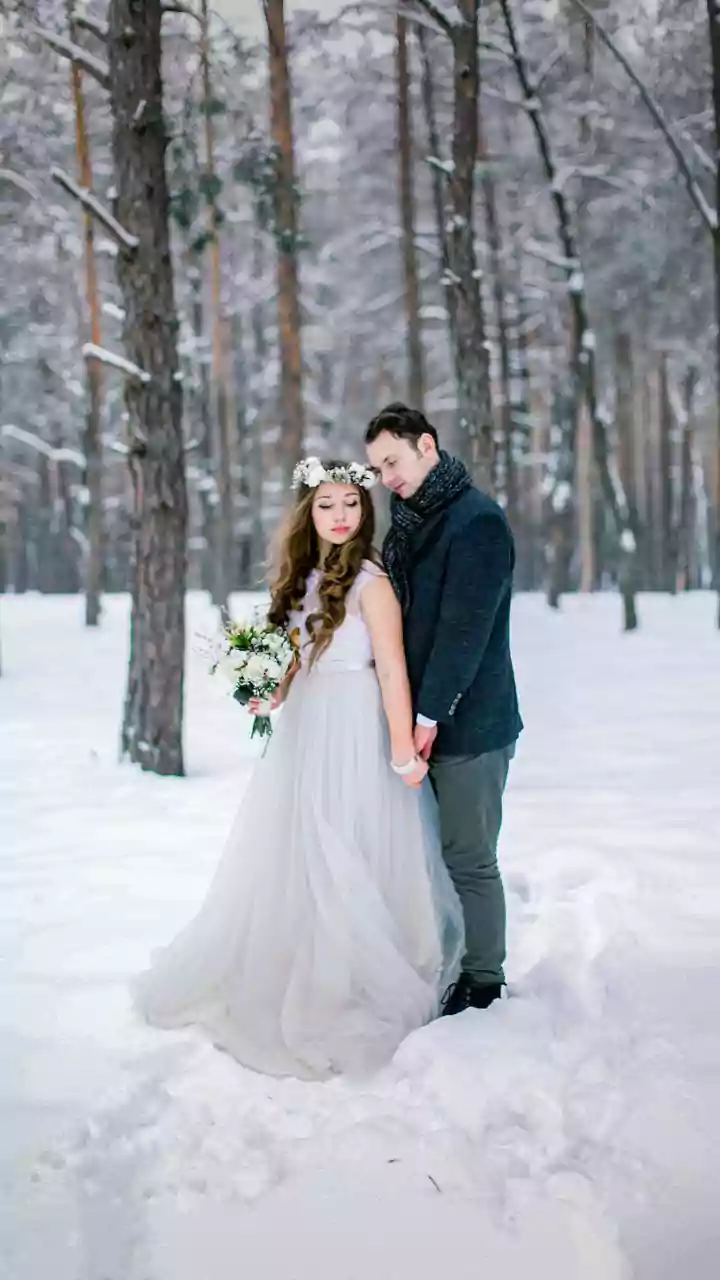
as couples increasingly opt for experiences grounded in the natural world. Wedding industry reports from sources like The Knot and Pinterest have noted a surge in searches for “forest elopements,” “national park weddings,” and “adventure honeymoons.” Instead of spending a fortune on floral arrangements to adorn a ballroom, couples are letting towering redwoods, dramatic desert canyons, or serene coastlines provide the backdrop. This isn’t just about saving money; it’s a deliberate choice to prioritize atmosphere and meaning over logistical complexity. The focus moves from hosting a large-scale event to curating a deeply personal experience.
A Search for Something Real
So, why the migration outdoors? Experts point to a collective recalibration of values, accelerated by the pandemic but brewing long before. Years of pressure to stage the perfect, Instagram-worthy event left many feeling that their own celebration was more of a performance for others than a reflection of their partnership. The forced intimacy of lockdowns reminded people what truly mattered: connection, not consumption. Choosing a simple ceremony on a windswept cliff or a honeymoon in a secluded cabin is an act of rebellion against this performative culture. It’s a statement that the relationship itself is the main event, not the party thrown in its honor. This pursuit of authenticity favors shared experiences over curated aesthetics, and quiet moments over loud pronouncements. It’s about creating a foundational memory that feels genuine, private, and unshakable—something that can’t be fully captured by a hashtag.
What 'Nature and Romance' Looks Like
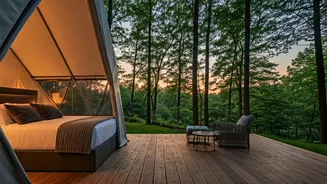
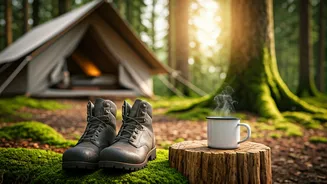
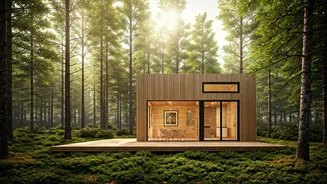
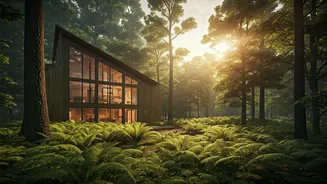
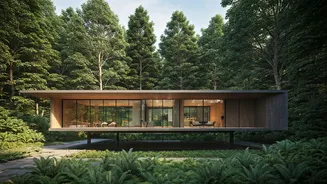
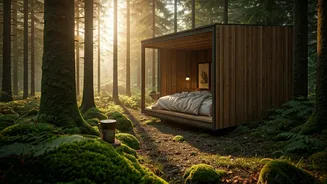
This trend is far more diverse than simply swapping dress shoes for hiking boots. “Nature and romance” manifests in countless ways. For some, it’s an elopement in Zion National Park, with vows exchanged at sunrise followed by a celebratory hike. For others, it’s a “micro-wedding” with 20 guests at a rustic lakeside lodge, complete with a bonfire and s’mores instead of a formal reception. The romantic getaway is also being redefined. Instead of a flight to a bustling tourist hub, couples are booking off-grid A-frame cabins, luxury yurts for glamping under dark skies, or renting a vintage Airstream for a coastal road trip. The new romance is active and engaged: it’s learning to fly-fish together in Montana, taking a cooking class at a farm-to-table vineyard in Sonoma, or simply reading books side-by-side on the porch of a mountain home. The common thread is a slower pace and a shared activity that fosters connection.
The Wellness and Intimacy Factor
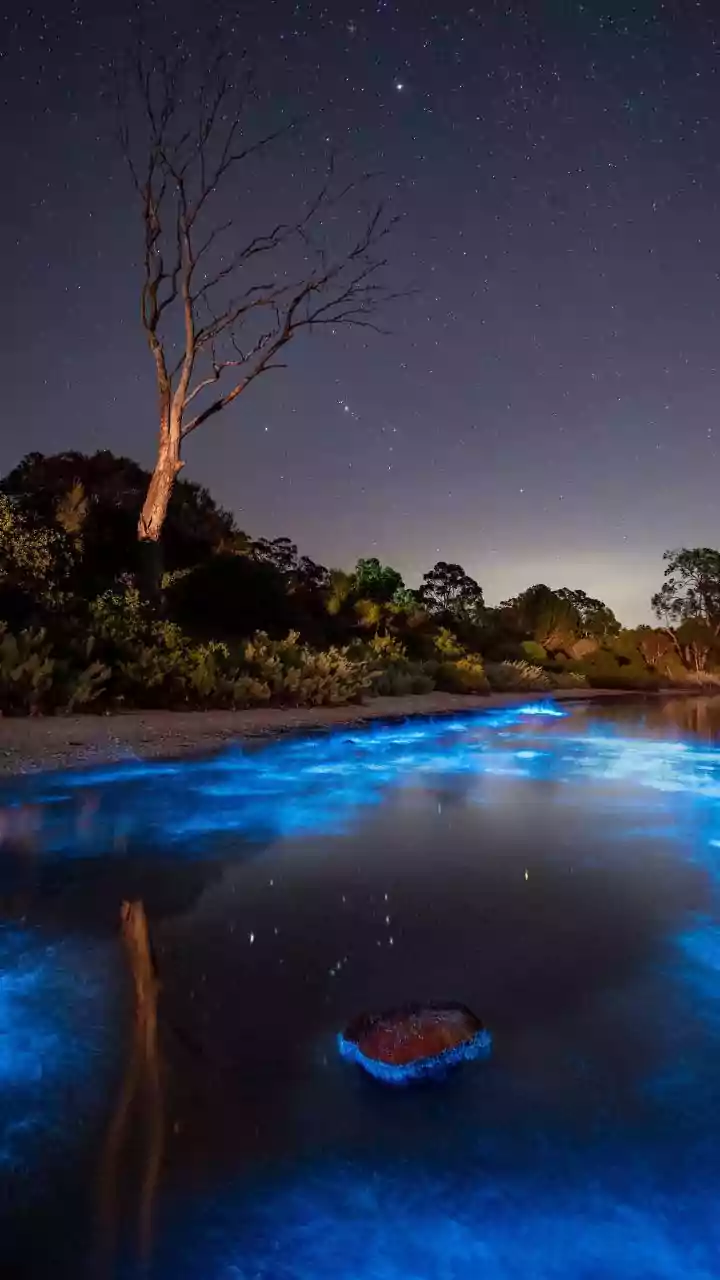
This movement is intrinsically linked to the broader wellness culture. We now have a wealth of data showing that spending time in nature—a practice known as “forest bathing” or ecotherapy—measurably reduces stress, lowers cortisol levels, and improves mood. For a couple starting a life together or seeking to reconnect, what could be a better foundation? Stripping away the distractions of Wi-Fi, social obligations, and city noise forces a different kind of presence. Conversations deepen when there’s nothing to do but talk. Intimacy grows not from grand, expensive gestures, but from the small, shared challenges and triumphs—navigating a trail, building a fire, or spotting a rare bird. This form of romance is less about external validation and more about internal alignment. It’s about building a reservoir of quiet, resilient joy that can be drawn upon long after the trip is over.