



A Mythical Himalayan Garden
Tucked away in the state of Uttarakhand, the Valley of Flowers National Park is the stuff of legend. For centuries, this remote valley was known to locals as the playground of fairies and a place of potent medicinal herbs, its slopes blanketed in hundreds
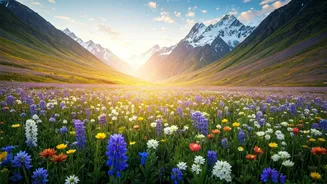
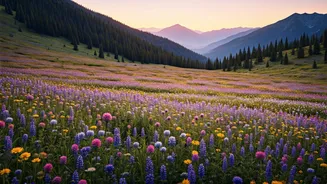
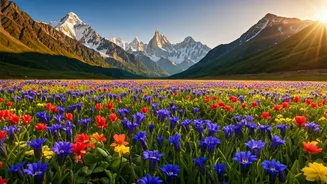
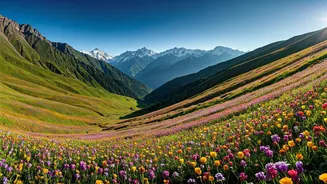
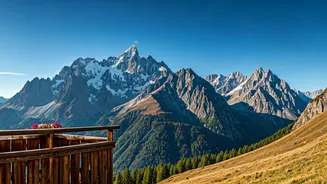
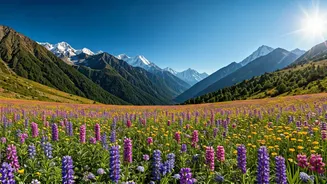
of species of flowers that bloom in a staggering riot of color after the monsoon rains. In 1982, its otherworldly beauty and unique ecology earned it recognition as a UNESCO World Heritage site. Reaching it is no simple task. The journey involves a multi-day trek that begins where the road ends, climbing alongside roaring rivers and through dense forests. Trekkers acclimatize in small villages like Ghangaria before making the final push into the valley itself. Once there, the world transforms. Against a backdrop of snow-dusted peaks, fields of blue poppies, primulas, orchids, and the iconic Brahma Kamal flower create a landscape so surreal it feels more like a painting than a real place. For decades, it was a destination for seasoned mountaineers and spiritual pilgrims, a quiet corner of the world reserved for those in the know.
The New Generation of Trekkers
Today, the trail is humming with a different kind of pilgrim. They arrive not in search of rare herbs or absolute solitude, but of experience, connection, and the perfect photograph. They are India’s millennials and Gen Z, a generation trading beach resorts and city breaks for the raw, demanding beauty of the mountains. This shift represents a significant cultural moment in a country where domestic tourism is booming. Post-pandemic, a nationwide craving for open spaces and meaningful travel has taken hold. For a generation raised on screens, the appeal of a digital detox—even a temporary one—is powerful. The Valley of Flowers trek offers a perfect blend: it’s challenging but achievable, remote but accessible, and stunningly photogenic. The shared struggle of the climb and the collective awe upon reaching the valley forge easy bonds among strangers, creating a communal experience that feels both ancient and thoroughly modern.
Fueled by Instagram and Aspirations
You can’t talk about this trend without talking about social media. A single, spectacular reel of the valley can reach millions, turning a once-obscure destination into a must-do adventure. Instagram and YouTube are filled with vlogs documenting every step of the journey, from packing lists to triumphant selfies at the valley’s entrance. These posts act as both inspiration and a practical guide, demystifying the trek and making it seem attainable for first-timers. But this is more than just a quest for likes. It reflects a deeper change in the aspirations of young, urban Indians. As incomes rise, a growing segment of the population is prioritizing experiences over possessions. Adventure travel is no longer a niche pursuit for a wealthy elite; it’s a mainstream goal. Completing a Himalayan trek has become a badge of honor, a testament to one’s fitness, resilience, and adventurous spirit. It’s a story to tell, a memory to cherish, and a powerful statement of personal identity.
More Than Just a Pretty View
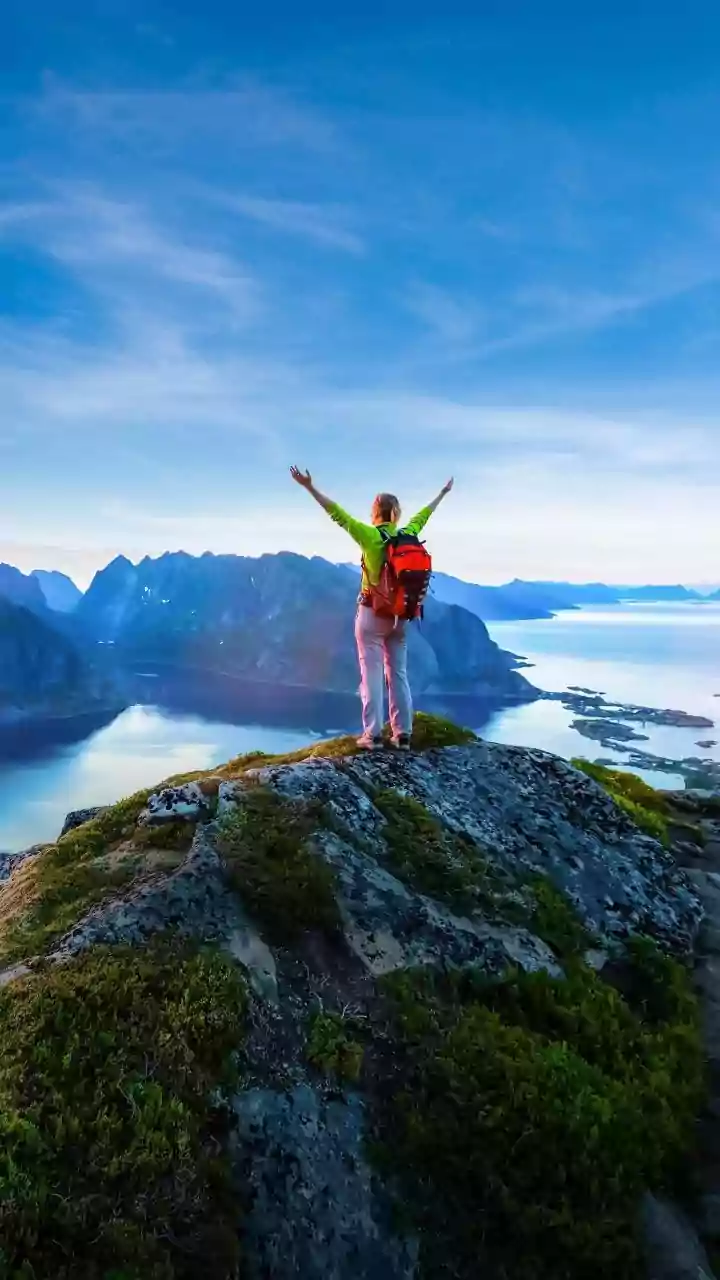
The trek offers a profound sense of accomplishment that a week at a resort rarely can. The physical exertion of hiking at over 12,000 feet, the chilly nights in a basic guesthouse, and the unpredictable mountain weather are all part of the appeal. It’s a voluntary hardship that strips away the noise of modern life, leaving participants with a clearer sense of themselves and their capabilities. Many combine the trip with a visit to the nearby Hemkund Sahib, a high-altitude Sikh pilgrimage site located by a glacial lake, adding a spiritual dimension to the journey. Whether driven by faith, fitness, or the pursuit of beauty, visitors leave with something more than just photos. They leave with a renewed appreciation for the natural world and a quiet confidence forged on the trail. The valley, it seems, offers a different kind of nourishment for a generation hungry for authenticity.