

The Anti-Manali Alternative
For years, the road to Himalayan adventure in India’s Himachal Pradesh state led straight to Manali. But as Manali grappled with over-tourism, a different kind of traveler began searching for its quieter, more contemplative soul. They found it just 13
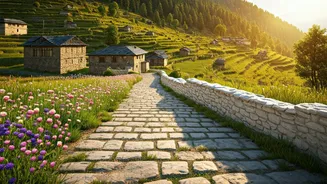
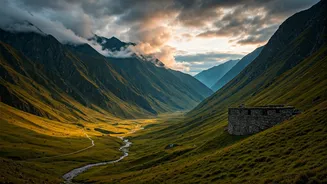
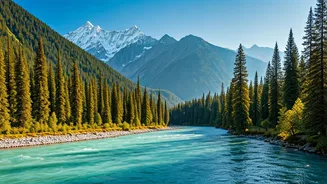
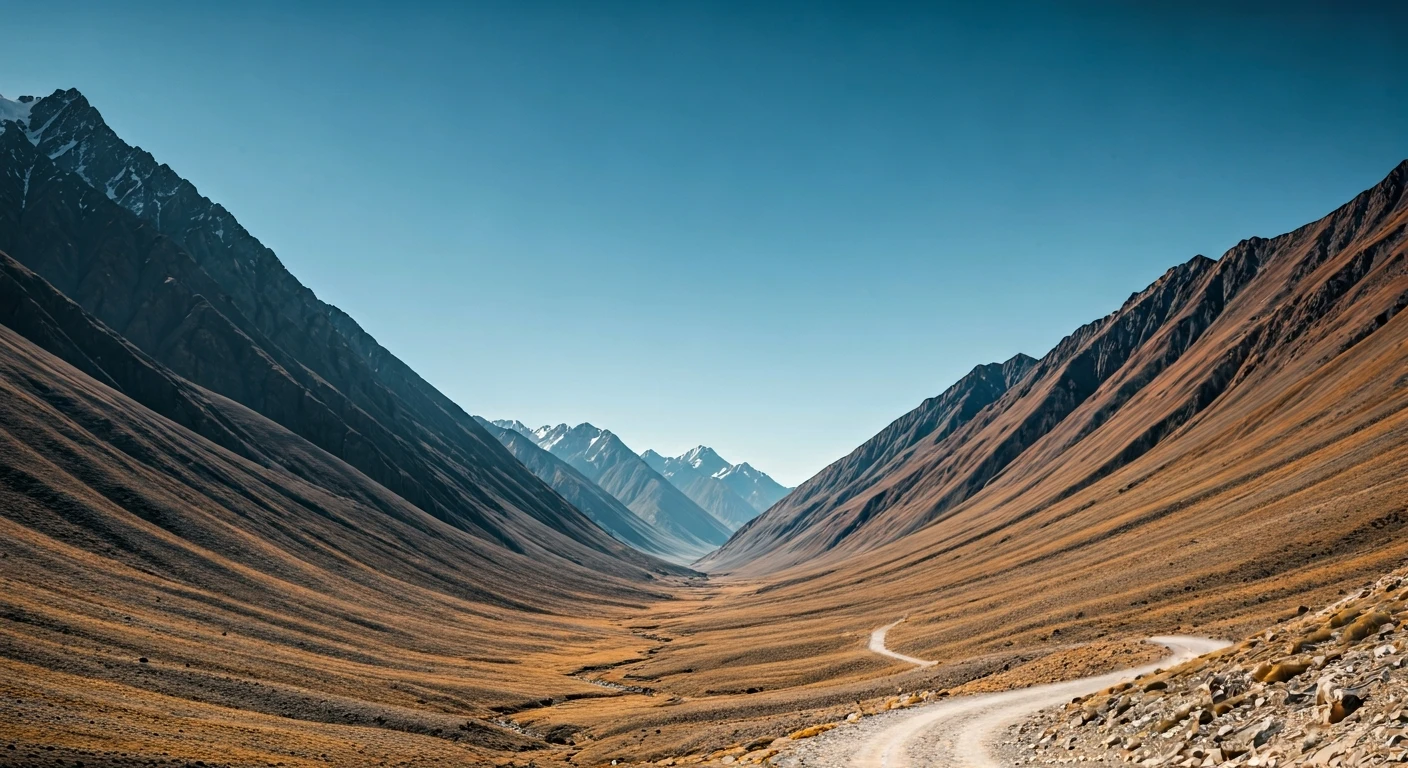
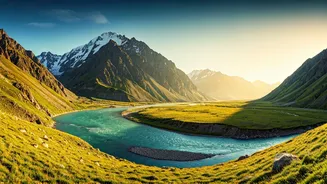
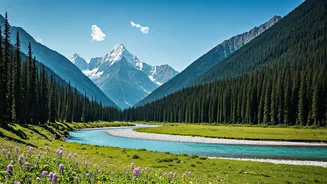
miles down the road in Naggar. Perched on a forested slope overlooking the Beas River, Naggar offers the same jaw-dropping mountain views but trades bustling market streets for winding village paths. It’s a place that doesn’t shout for your attention; it whispers. This growing buzz isn’t about new nightclubs or adventure parks. It’s a collective sigh of relief from travelers who have discovered a place where the main attraction is the atmosphere itself—a serene blend of nature, history, and profound tranquility.
A Castle Built of Wood and Stone
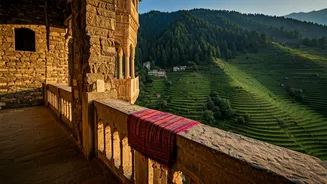
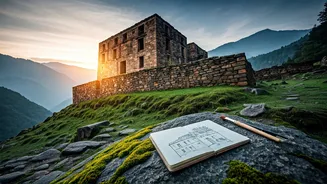
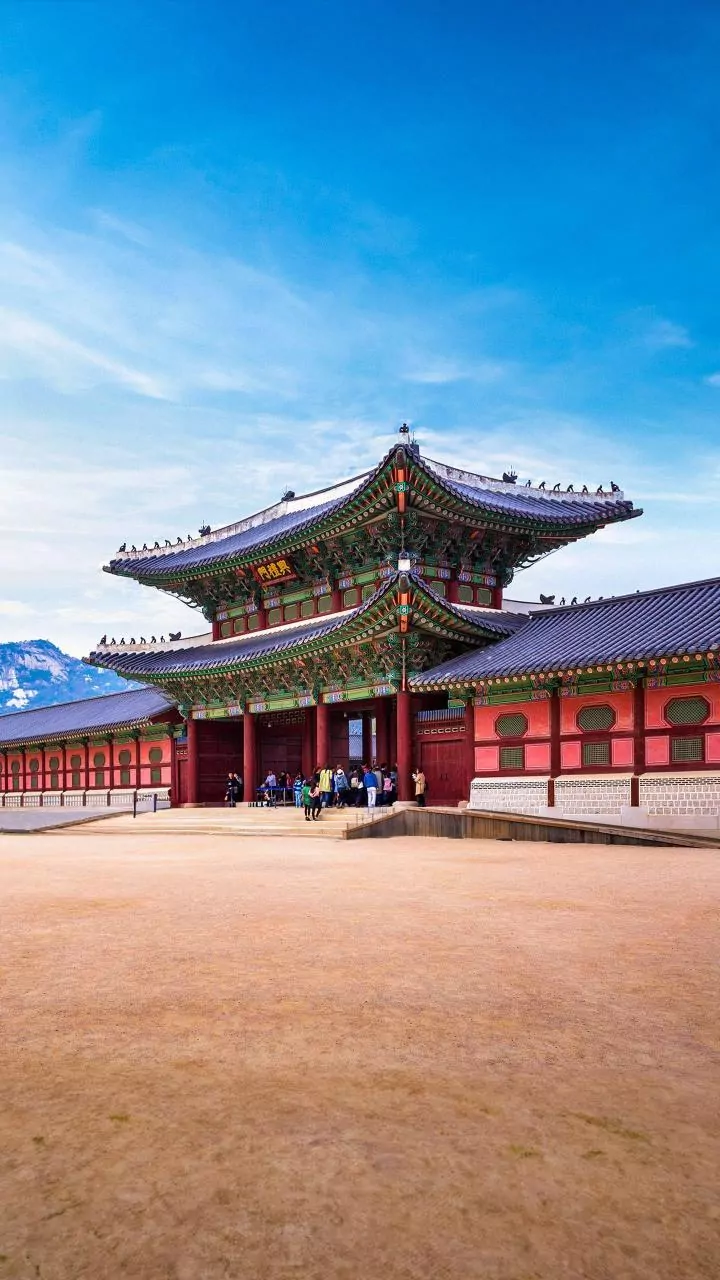
The heart of Naggar is its castle. This isn't a European fortress of towering granite but a magnificent example of Kath-Kuni architecture, a local style using interlocking layers of wood and stone without mortar. Built over 500 years ago by Raja Sidh Singh, Naggar Castle served as the seat of the Kullu kingdom for centuries. Today, it’s a heritage hotel and museum that feels like a living artifact. Walking through its creaking wooden corridors, peering out of intricately carved balconies at the snow-capped peaks across the valley, you feel connected to its regal past. The castle houses a small temple, Jagti Patt, which is a revered local deity’s shrine, cementing the structure’s role as both a historical and spiritual anchor for the entire region. It’s the first stop for most visitors, and its panoramic views set the stage for everything else the village has to offer.
An Unlikely Russian Soul
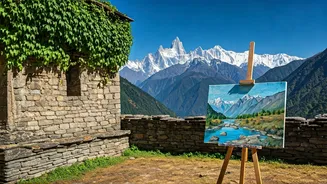
Naggar’s most surprising chapter involves a Russian artist, philosopher, and mystic: Nicholas Roerich. Fleeing the Russian Revolution, Roerich and his family traveled the world before settling in Naggar in 1929, captivated by the spiritual energy of the Himalayas. He spent the last two decades of his life here, painting thousands of canvases that captured the mountains’ ethereal, ever-changing light. His former home is now the Roerich Art Gallery, a beautifully preserved estate that offers a window into his life and work. Visitors can see his studio, his personal effects, and a collection of his stunning, spiritually charged landscapes. The gallery has turned Naggar into a pilgrimage site for art lovers and spiritual seekers, adding a unique, international layer to the village’s Himachali identity. This unlikely fusion of cultures—Russian mysticism in a former Himalayan kingdom—is a key part of Naggar's distinct charm.
Embracing the Art of Slow Travel
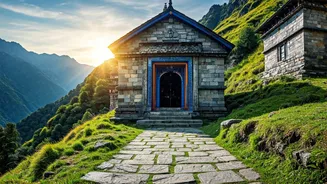
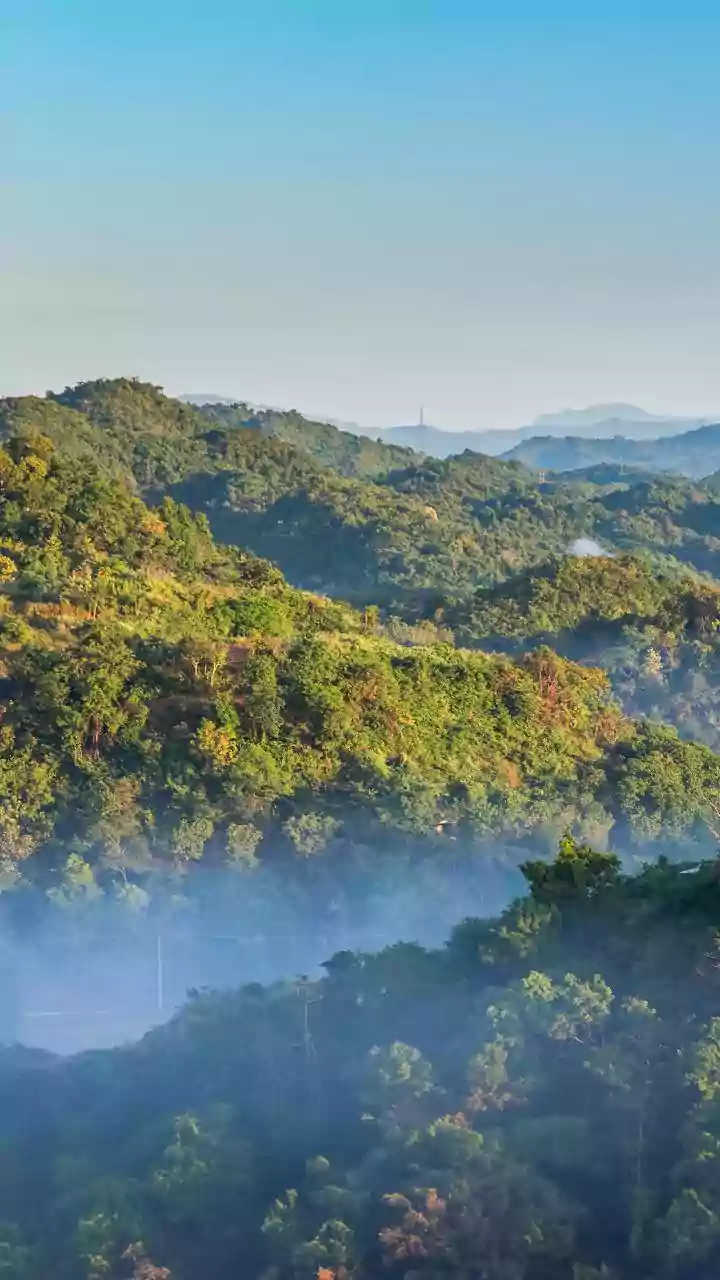
Beyond its main landmarks, Naggar’s real appeal is in the invitation to slow down. The day here isn't measured by a checklist of sights but by the rhythm of village life. It’s about starting the morning with a walk through fragrant deodar forests, finding ancient stone temples hidden in the woods, and settling into a cozy café with a book and a pot of ginger-lemon-honey tea. The village is dotted with small, independent guesthouses and homestays that offer a more intimate experience than a large hotel. The local economy is increasingly geared toward this gentle tourism, with small eateries serving fresh, local food and shops selling traditional shawls and handicrafts. It’s a destination that rewards wandering and quiet observation, making it a perfect fit for the post-pandemic traveler seeking connection over consumption.