





The Science Behind the Slump
We’ve all been there: you return to your desk after lunch feeling sluggish, unfocused, and ready for a nap. This isn’t a failure of willpower; it’s a biological process often called postprandial somnolence, or the “food coma.” When you eat a large, heavy
meal—particularly one high in fats and refined carbohydrates—your body diverts a significant amount of blood flow and energy away from your brain and toward your digestive system to break it all down. This digestive effort is a serious task. Furthermore, large meals rich in certain carbs can trigger a cascade of hormones, including insulin, which can indirectly lead to an increase in sleep-promoting chemicals like serotonin and melatonin in the brain. The result is a distinct feeling of drowsiness and mental fog precisely when you need to be sharp for the rest of your workday.
Why Summer Heat Makes It Worse
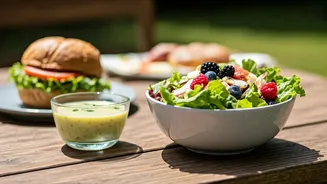
That post-lunch lethargy becomes even more pronounced during the summer months. Your body is already working overtime in the heat, expending energy to maintain a stable internal temperature through processes like sweating. This is a constant, low-level stressor. When you add a heavy meal into the mix, you’re asking your body to perform two demanding tasks at once: cool itself down from the external heat and generate internal heat to digest food. This process of digestion, known as the thermic effect of food (TEF), literally warms you up from the inside. Eating a dense, high-fat meal like a burger and fries requires more metabolic energy to process than, say, a crisp salad with grilled chicken. This internal heat production puts an additional load on your body’s cooling system, leaving you feeling drained, overheated, and even more sluggish than you would on a cooler day.
Anatomy of an Energizing Summer Lunch
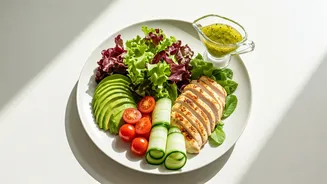
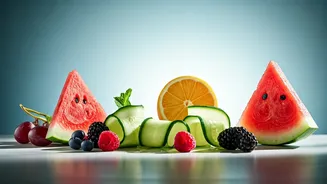
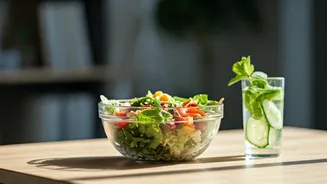
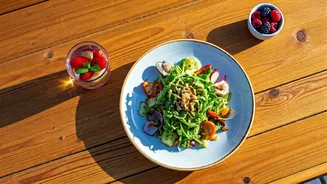
So, how do you build a lunch that fuels you instead of flooring you? The key is to focus on nutrient-dense foods that are easy to digest and hydrating. First, prioritize lean protein like grilled chicken, fish, beans, or tofu. Protein promotes satiety, helping you feel full without being heavy, and has a moderate thermic effect. Second, load up on high-water-content fruits and vegetables like cucumbers, watermelon, leafy greens, and bell peppers. These foods not only help you stay hydrated—a critical factor for maintaining energy levels—but are also packed with essential vitamins and minerals. Third, choose complex carbohydrates like quinoa or whole-wheat bread over refined white bread or pasta. They provide a slower, more sustained release of energy, preventing the spike-and-crash cycle. Finally, include a small amount of healthy fats from sources like avocado or nuts to help with nutrient absorption and keep you full until your next meal.
Simple, No-Fuss Lunch Ideas
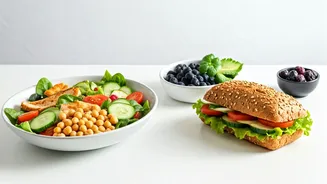
Putting these principles into practice doesn’t require a personal chef. Consider a 'power bowl' with a base of quinoa, topped with chickpeas, chopped cucumber, cherry tomatoes, and a light lemon-tahini dressing. Another great option is a chilled soup like gazpacho, which is both refreshing and hydrating, paired with a side of protein like a hard-boiled egg or a small serving of cottage cheese. If you prefer a sandwich, upgrade it by using a whole-wheat wrap or pita, loading it with hummus and a pile of crisp greens and shredded carrots instead of heavy deli meats and mayonnaise. Even a simple Greek yogurt parfait can be a perfect summer lunch; just ensure you choose a low-sugar yogurt and top it with berries for antioxidants and a sprinkle of seeds for healthy fat and fiber.