



First, What Are the Ghats?
Before you book a ticket, let's get oriented. The Western Ghats are a magnificent mountain range running parallel to the western coast of the Indian subcontinent. This UNESCO World Heritage site stretches across several states, including Maharashtra,
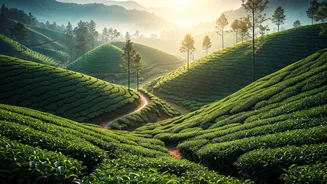
Goa, Karnataka, and Kerala. Known for its incredible biodiversity, the range is a tapestry of dense forests, sprawling tea plantations, and hidden valleys. During the dry season, it’s beautiful. But during the monsoon, which typically runs from June to September, it becomes something else entirely: magical.
The Landscape Explodes in Green
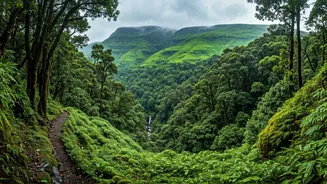
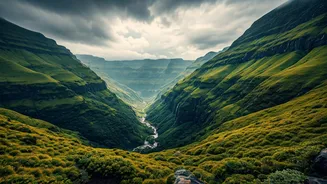
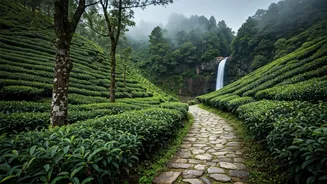
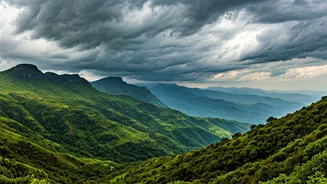
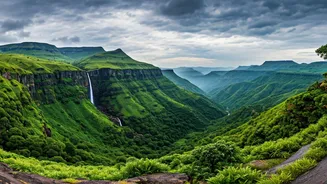
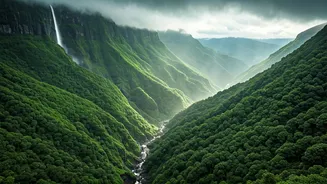
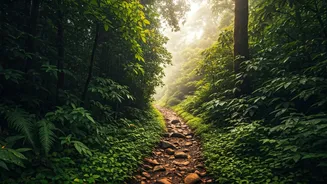
The most immediate and striking change is the color. The monsoon awakens the landscape from its dry-season slumber. Hills and mountains that were shades of brown and beige suddenly erupt in a thousand shades of vibrant, impossible green. Mist hangs low in the valleys, clinging to the emerald slopes and giving the entire region a mystical, cinematic quality. Driving or hiking through places like Munnar in Kerala or Coorg in Karnataka feels like stepping into a lush, super-saturated painting. It’s a photographer’s dream and a feast for the eyes.
Waterfalls Are Everywhere—and They’re Spectacular
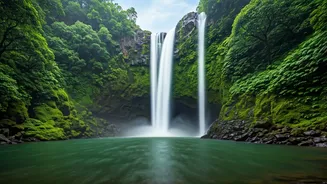
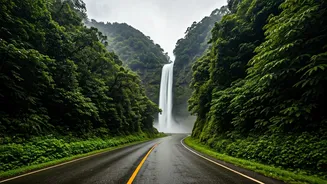
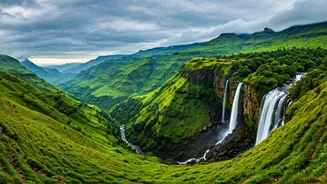
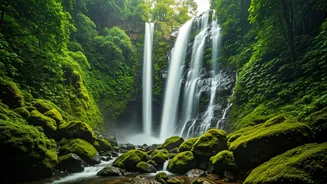
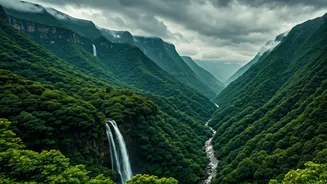
The rain feeds thousands of seasonal waterfalls that appear as if from nowhere. Streams that were once mere trickles become roaring torrents, and majestic cascades plunge hundreds of feet down rocky cliffs. Destinations like Malshej Ghat in Maharashtra become famous for their roadside waterfalls that drench passing cars. The Jog Falls in Karnataka, one of India's tallest, is at its thunderous, most awe-inspiring peak during the monsoon. The journey itself becomes an adventure, with each turn in the road potentially revealing another breathtaking waterfall.
Fewer Crowds and Better Deals
Because monsoon is considered the “off-season” by many international tourists and even some domestic travelers, you get to experience the Ghats without the peak-season crowds. This means more serene viewpoints, quieter trails, and a more authentic, peaceful experience. It also translates into significant savings. Flights, hotels, and even local transport are often much cheaper during these months. You can snag a room at a luxury resort with a stunning valley view for a fraction of its winter price, making a premium experience far more accessible.
The Unique Flavors of the Season
The monsoon also brings its own culinary delights. It’s the perfect weather for cozying up in a local cafe with a cup of hot, spiced chai or freshly brewed coffee from a local plantation. Street food vendors offer roasted corn on the cob, slathered in lime and spices, which tastes impossibly good in the cool, damp air. It’s also a time for hot, savory snacks like pakoras (fried vegetable fritters). The food feels deeply comforting and becomes an integral part of the sensory experience of the rainy season.
How to Do It Right: A Few Practical Tips
A monsoon trip requires a bit of smart planning. First, pack accordingly: quick-dry clothing, a reliable waterproof jacket, and sturdy, non-slip footwear are non-negotiable. Waterproof bags for your electronics are also a must. Be aware of the risks; landslides can occasionally block roads, so build flexibility into your itinerary. Leeches are common on forest trails, so leech-proof socks or simple remedies like salt or sanitizer can be handy. Finally, travel with a spirit of adventure. A delayed start or a sudden downpour isn't a setback; it’s part of the authentic monsoon experience.