








Beyond 'Low-Fat' and 'Low-Cal'
For previous generations, “healthy” eating often meant a simple numbers game: cutting fat, counting calories, or limiting carbs. But for Generation Z, the definition has evolved significantly. They aren't just looking for what’s been taken out; they’re
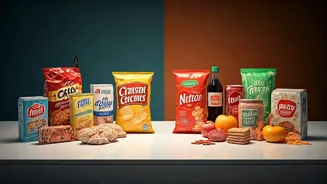
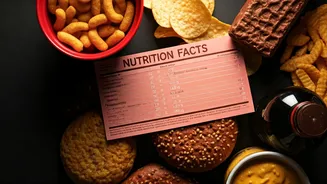
intensely focused on what’s been put in. Their wellness philosophy prioritizes “clean labels,” meaning short ingredient lists with recognizable, pronounceable items. Words like “whole,” “unprocessed,” and “natural” carry far more weight than “diet” or “lite.” This shift moves the focus from simple nutrition facts to the very integrity of the food source. A snack isn’t just 150 calories; it’s a collection of chemicals, additives, and dyes that are either approved or rejected based on a new, stricter personal standard.
The Rise of the 'Sleuth' Consumer
As the first true digital natives, Gen Z was raised on the internet, a space that taught them both how to find information and how to distrust it. They are hyper-aware of marketing spin and corporate messaging. This inherent skepticism fuels a desire for third-party verification. They don’t take a brand’s “All Natural” claim at face value. Instead, they turn to apps like Yuka, which scores products based on nutritional quality and the presence of controversial additives, or to TikTok and Instagram influencers who build entire platforms around deconstructing popular food labels. In this environment, a product’s reputation is crowd-sourced and can be dismantled in a single viral video. For this generation, research isn't a chore; it’s an instinct.
Regulation as an Empowerment Tool
Where older generations might have viewed government intervention in the food industry as a “nanny state” infringement on personal choice, many in Gen Z see it differently. For them, strict regulation isn’t a limitation; it’s a shortcut to the truth. They spend immense energy trying to decipher misleading packaging and convoluted ingredient lists. A clear, federally mandated system—like the front-of-package (FOP) labeling recently proposed by the FDA, which would use simple symbols to highlight high levels of sugar, sodium, or saturated fat—is seen as a welcome tool of empowerment. It cuts through the noise and holds corporations accountable, saving the consumer the labor of doing their own forensic analysis on a box of cereal. It’s less about being told what to eat and more about being given the unvarnished facts to make their own informed decision quickly and confidently.
A Demand for Radical Transparency
Ultimately, Gen Z’s support for stricter food rules stems from a core value: transparency. They apply this standard not just to food, but to the brands they support, the politicians they vote for, and the media they consume. In their view, if a company has nothing to hide, it shouldn't fear clear, simple, and honest labeling. This mindset is fundamentally reshaping the packaged food industry, forcing legacy brands to reformulate products to remove artificial dyes and unfamiliar preservatives. Companies that resist are increasingly seen as outdated and untrustworthy. The pressure is no longer just coming from public health advocates or government agencies; it's coming from the checkout line, driven by a generation that holds a smartphone in one hand and a demand for honesty in the other.