


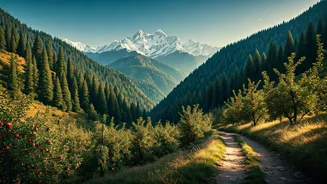


A Valley Hidden in Plain Sight
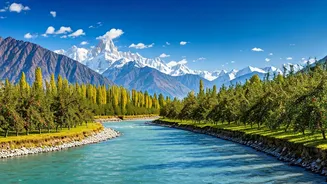
Imagine a place so picturesque it feels like a secret whispered between mountains. That is Harsil. Located in the northern Indian state of Uttarakhand, this small valley settlement sits at an elevation of over 8,500 feet, nestled on the banks of the Bhagirathi
River, a major headstream of the sacred Ganges. It lies on the route to Gangotri, one of Hinduism's most revered pilgrimage sites, yet it manages to retain an aura of untouched solitude. While pilgrims and trekkers pass through, Harsil invites you to stay, to breathe, and to simply be. The journey itself, a winding drive through steep Himalayan roads, acts as a filter, shedding the chaos of the plains and preparing you for the profound calm that awaits.
The Legend of 'Pahari' Wilson's Apples
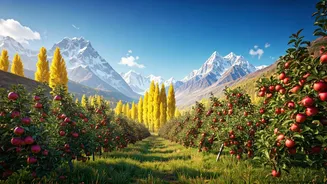
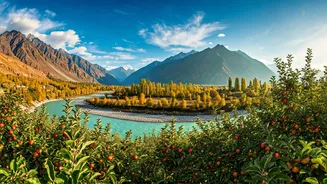
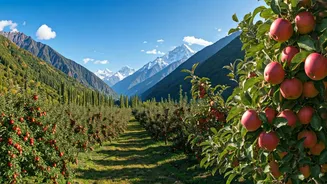
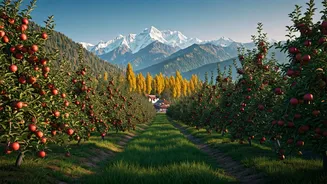
The sprawling apple orchards that define Harsil's landscape have a story as crisp and compelling as the fruit they bear. They are not native to this high-altitude region. Their existence is owed to one man: Frederick E. Wilson, a British army deserter who fled after the Indian Rebellion of 1857. Seeking refuge in the remote mountains, he settled in Harsil, married a local woman, and became a legend known as 'Pahari Wilson' (Wilson of the Hills). In the 1860s, he introduced apple cultivation to the valley. The climate proved perfect. The 'Wilson' apple, as it became known, transformed the local economy and gave Harsil its most famous feature. Today, walking through these orchards, especially during the blossom season in spring or the harvest in late summer, is to walk through a piece of living history—a testament to a renegade’s unlikely legacy.
Listening to the Quiet
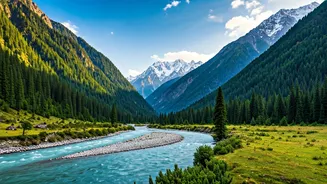
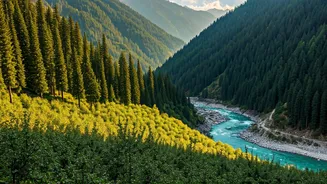
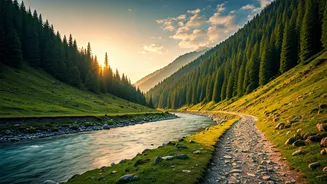
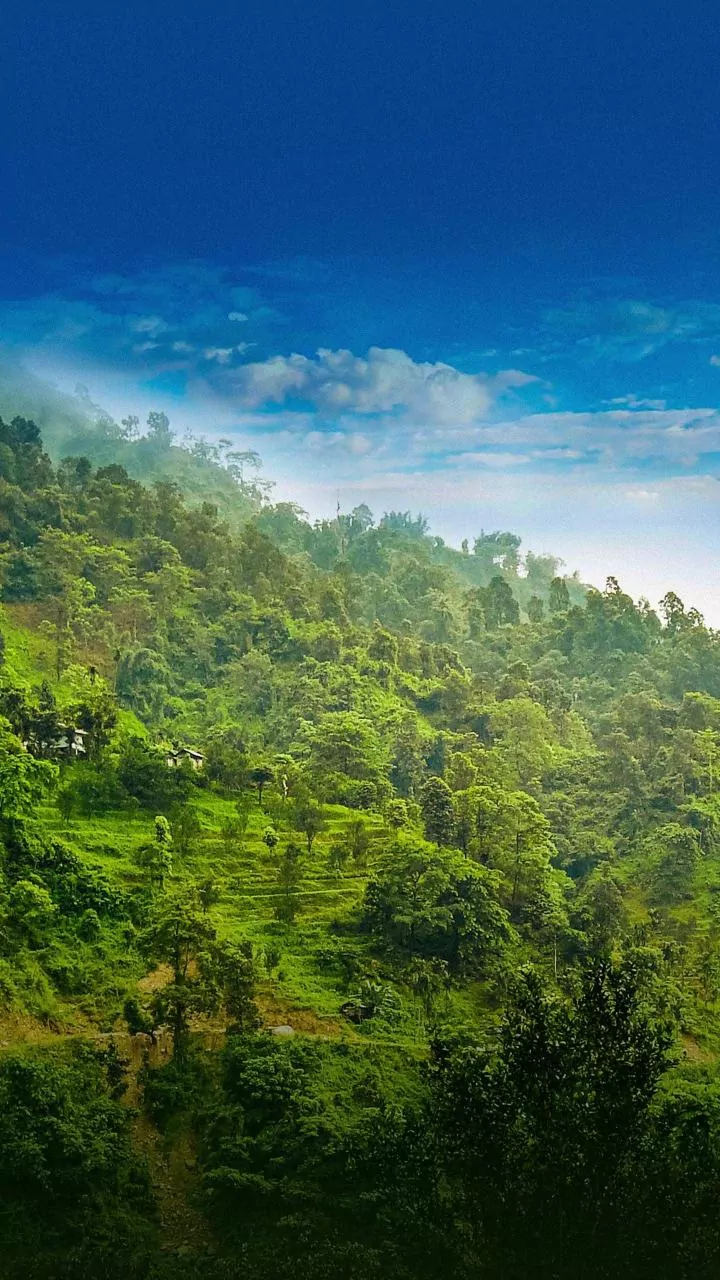
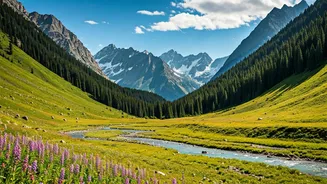
The 'silence' in Harsil isn't an absence of sound but a different kind of soundtrack. It’s the constant, soothing rush of the Bhagirathi River as its clear, glacial waters tumble over smooth stones. It’s the gentle rustle of wind moving through the towering deodar cedar and pine forests that blanket the surrounding hills. It's the distant chime of a temple bell or the lowing of a cow in a nearby pasture. This is a place where you can hear your own thoughts, where the background hum of modern life is replaced by the pure, unedited sounds of nature. For visitors accustomed to urban soundscapes, the initial quiet can be almost deafening, but it soon settles into a deep, meditative peace that calms the nervous system and sharpens the senses.
More Than Just an Orchard
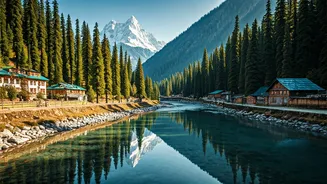
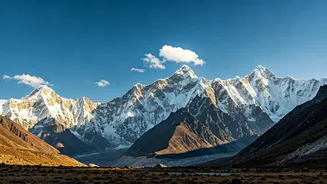
While the apple orchards are Harsil's main draw, the valley is a complete portrait of Himalayan life. The village itself is a charming collection of traditional wooden houses with slate roofs, built to withstand the harsh winters. A short walk can take you to Mukhba, the winter home of the idol of the goddess Ganga, when the main temple at Gangotri becomes inaccessible due to snow. The entire area is a gateway to gentle hikes and more serious treks, with trails leading into lush meadows and offering breathtaking views of peaks like Shrikanth and the Banderpoonch range. The people of Harsil, a mix of Bhotiya tribes and other local communities, are warm and accustomed to the rhythms of the mountains, offering a glimpse into a way of life that is deeply connected to the land and its seasons.