
What Makes a Diet 'Sustainable'?
Before diving into the pantry, let’s clarify what we mean by “sustainable.” In food, sustainability generally rests on a few key pillars: a low environmental footprint (less water, less land, lower carbon emissions), a positive or neutral impact on soil
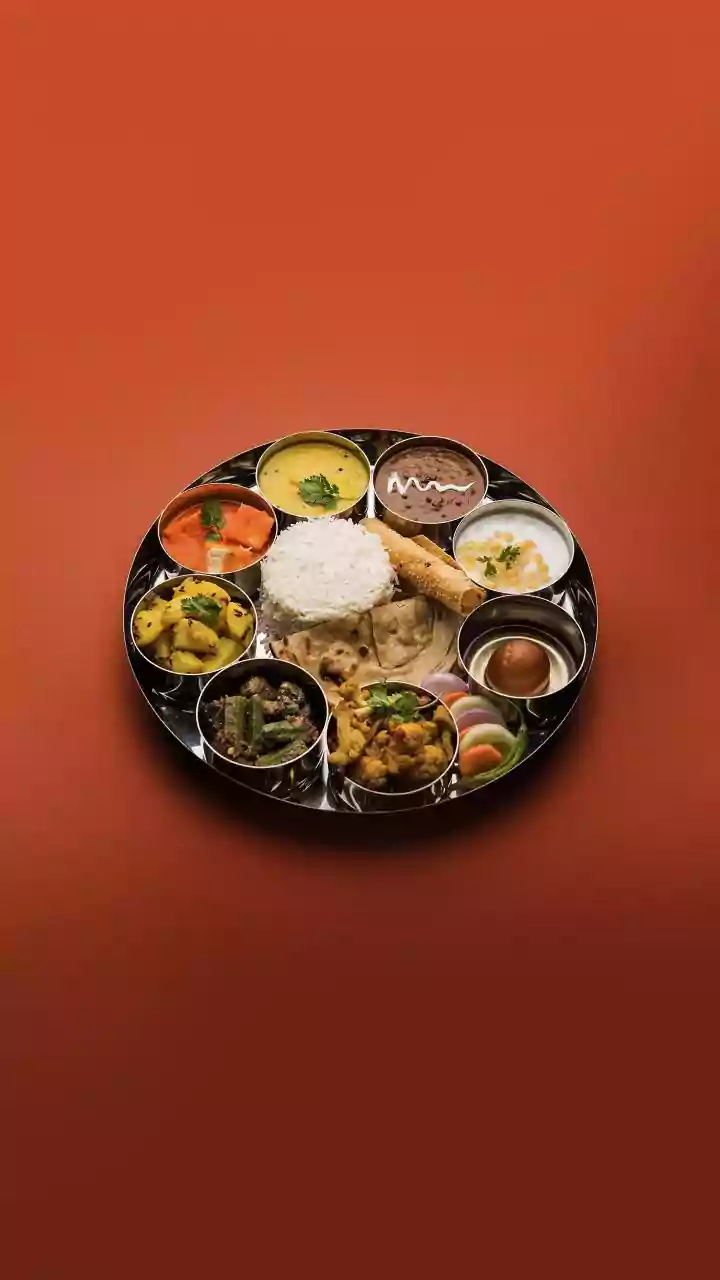
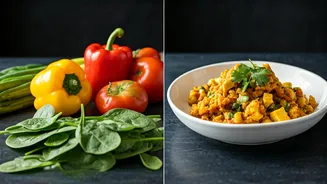
health, and minimal processing and waste. Plant-forward diets have long been celebrated by environmental scientists for ticking these boxes, as meat and dairy production are notoriously resource-intensive. The beauty of many traditional food systems, including those found across India, is that they have been built around these principles for centuries out of necessity, tradition, and an intimate connection to the land. They offer a blueprint for eating well without costing the earth.
Lentils & Pulses: The Protein Powerhouse
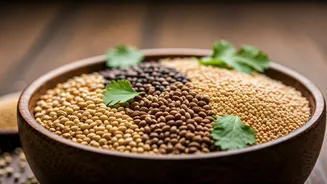
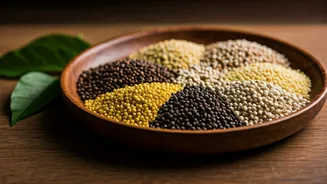
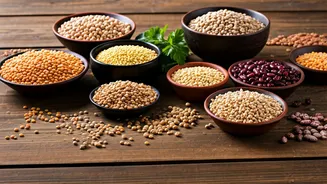
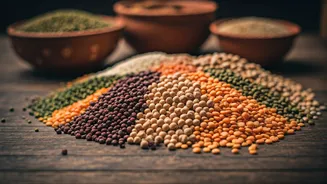
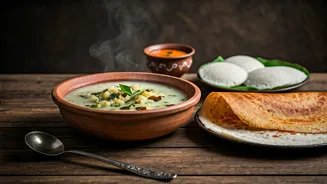
If there's one ingredient that forms the backbone of Indian cooking, it's dal. The term refers to both the ingredient (split lentils, peas, and beans) and the soupy, stew-like dish made from it. Pulses are a sustainability superstar. As legumes, they are “nitrogen-fixing,” which means they pull nitrogen from the atmosphere and convert it into a form that enriches the soil, reducing the need for chemical fertilizers. They are also incredibly water-efficient compared to animal proteins. A simple bowl of dal, made from toor (split pigeon peas) or masoor (red lentils), served with rice, is a complete protein. It’s an inexpensive, deeply comforting, and profoundly sustainable meal that has nourished millions for generations. Exploring the world of dal is your first, and most delicious, step.
Chickpeas: Versatility and Resilience
Known as chana in Hindi, the humble chickpea is another cornerstone of a sustainable Indian-inspired kitchen. Like other legumes, chickpeas are drought-resistant, thriving in climates where other crops might fail. Their hardiness makes them a reliable and low-impact food source. In the U.S., we often associate chickpeas with hummus, but in Indian cuisine, their versatility shines. Whole chickpeas are simmered into the rich, tomato-based gravy of chana masala, a beloved dish from Punjab. When ground into flour (besan), they are used to create savory pancakes (cheela), crispy battered vegetables (pakoras), and even fudge-like sweets (besan barfi). By swapping in chickpeas, you get a hearty, protein-packed meal that keeps you full while reducing your reliance on more resource-heavy ingredients.
Millets & Grains: The Climate-Smart Carbs
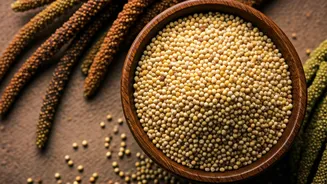
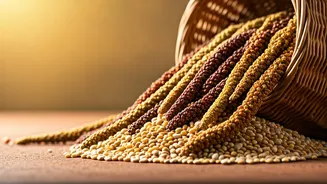
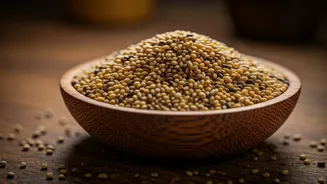
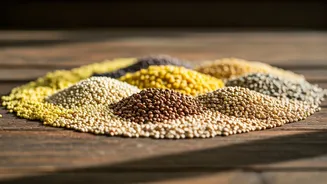
While wheat and rice are dominant grains, India has a rich history with “climate-smart” ancient grains, particularly millets like bajra (pearl millet) and ragi (finger millet). These grains are nutritional powerhouses, packed with fiber, protein, and micronutrients. More importantly, they are exceptionally resilient. Millets require significantly less water than rice or wheat, can grow in poor soil, and are resistant to pests, making them a crucial crop for a warming planet. Traditionally used to make flatbreads (like bhakri) or porridge, millets are experiencing a global resurgence for their health and environmental benefits. Incorporating millet flour into your baking or cooking it whole as a rice substitute is a fantastic way to diversify your diet and support a more resilient food system.
Spices: Flavor with a Tiny Footprint
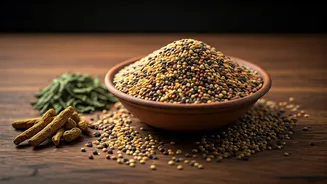
The magic of Indian cooking lies in its masterful use of spices. Turmeric, cumin, coriander, mustard seeds, and chili don't just add incredible flavor; they are a key part of the sustainability equation. They allow you to transform simple, low-impact vegetables and lentils into a culinary masterpiece. This reduces the need for processed, high-sodium sauces or flavorings that come with a heavier packaging and transportation footprint. A well-stocked spice rack (or “masala dabba”) is an investment in flavor that empowers you to cook creatively with whatever seasonal, local produce is available. Learning to bloom spices in hot oil—a technique known as tadka—is a fundamental skill that unlocks a world of delicious, sustainable possibilities.