



The Psychology of the Crave
Why does a dish like short-rib mac and cheese or a hot honey-drizzled pizza feel so profoundly right? It’s a perfect culinary storm brewing in our brains. On one hand, we are wired for nostalgia. The taste of a grilled cheese sandwich can transport us
back to childhood kitchens, offering a sense of safety and predictability in a chaotic world. It’s a known quantity; a guaranteed win. But humans are also explorers. We crave novelty, the little jolt of dopamine that comes from trying something new and exciting. When a chef takes a beloved classic and gives it a sophisticated or unexpected twist, they are hitting both of these buttons at once. It’s the thrill of discovery wrapped in the warm, cozy blanket of memory. This formula provides the perfect balance—it’s adventurous enough to feel special, but not so alien that it’s intimidating. You’re not just eating food; you’re experiencing a familiar story with a brilliant new chapter.
Case Study: The Grilled Cheese Grows Up
Consider the humble grilled cheese. In its purest form, it’s white bread and American cheese, griddled in butter until golden. It’s a titan of comfort. Now, walk into a trendy gastropub. On the menu, you’ll find its evolved form. Maybe it’s built with thick-cut sourdough, Gruyère, and aged cheddar. Perhaps it’s stuffed with caramelized onions and fig jam. Or, in one of the most popular recent iterations, it’s the birria grilled cheese. This masterpiece takes the slow-braised, spiced beef from birria tacos, tucks it into a cheesy sandwich, and serves it with the rich consommé for dipping. It’s everything you love about a grilled cheese—the crispy bread, the gooey cheese pull—but elevated with complex, savory, and utterly crave-able flavors. The original concept is the hook, but the brilliant execution is what makes it a dish people will cross town for.
From Pizzerias to Pantries
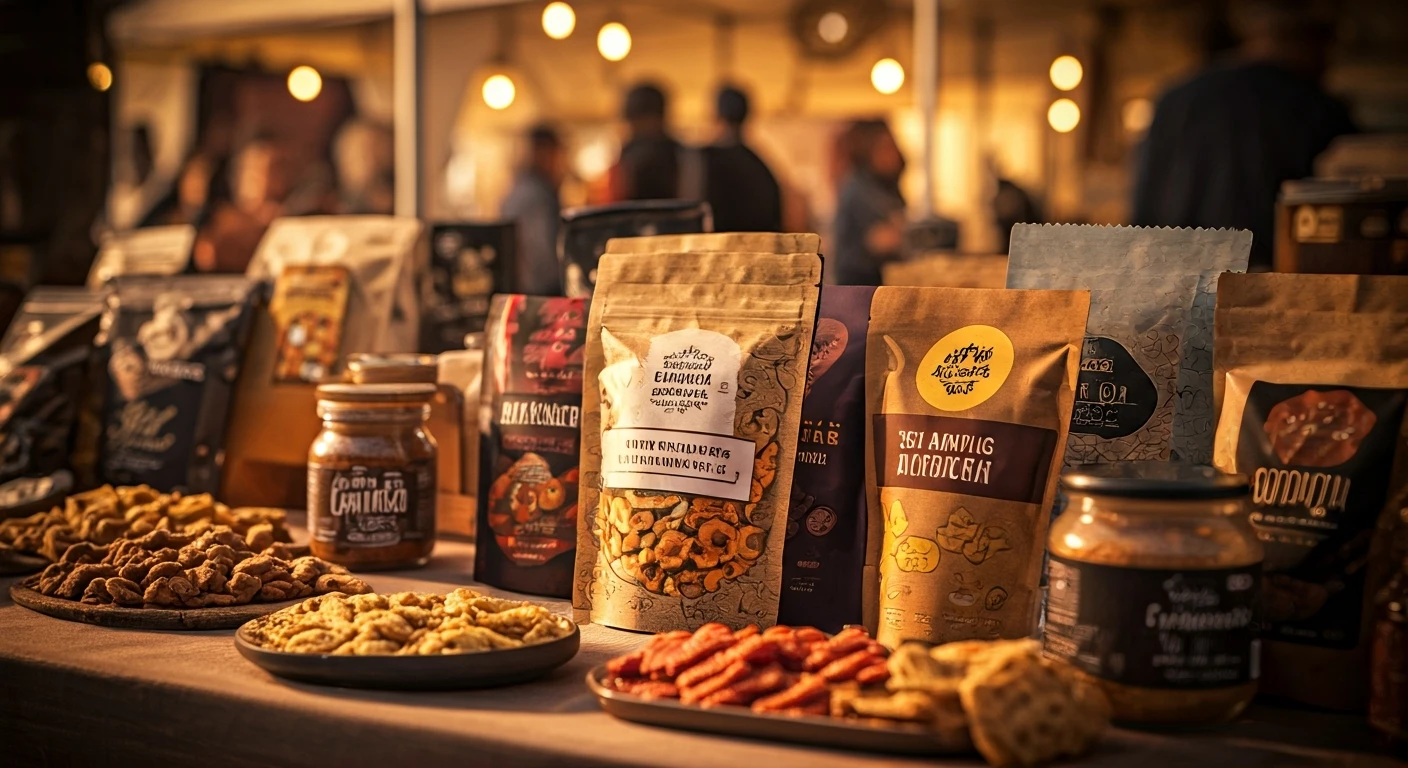
This isn't just a restaurant phenomenon. The 'familiar-with-a-twist' strategy is a driving force in the grocery aisle, too. Look at the explosion of hot honey. What started as a drizzle on a Neapolitan-style pizza at places like Paulie Gee's in Brooklyn has become a national obsession. Mike's Hot Honey and its competitors are now staples in home pantries, ready to be squirted on everything from fried chicken to roasted vegetables and even ice cream. The base flavor—sweet honey—is universally loved. The addition of chili peppers provides a kick of heat that cuts through the sweetness, creating a complex 'sweet-heat' profile that makes everything it touches more interesting. It’s a simple, low-risk way for a home cook to participate in the trend, transforming a boring Tuesday night dinner into something with a little more personality. The same goes for the endless variations of ranch dressing, the truffle-infused oils, and the everything-bagel seasoning that now lives on more than just bagels.
The New American Classics
Ultimately, this trend is about evolution, not replacement. Nobody is trying to erase the classic cheeseburger from existence. Instead, chefs and food creators are paying homage to it by asking, 'What else can this be?' They’re swapping American cheese for pimento cheese, or adding a swipe of miso-infused aioli to the bun. They are deconstructing apple pie into a salted caramel apple galette. Each new version is a conversation with the original, respecting its roots while pushing its boundaries. A dish like Korean fried chicken isn’t just a novelty; it’s a reinterpretation of a universally beloved food—crispy, juicy fried chicken—through a different cultural lens, introducing American palates to the magic of double-frying and sauces like soy-garlic or the fiery gochujang. These dishes aren’t just fleeting fads; they’re how new classics are born.