

The Himalayan Muse of the Kullu Valley
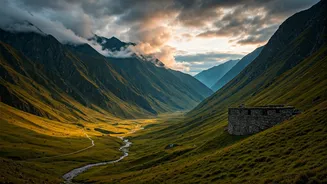
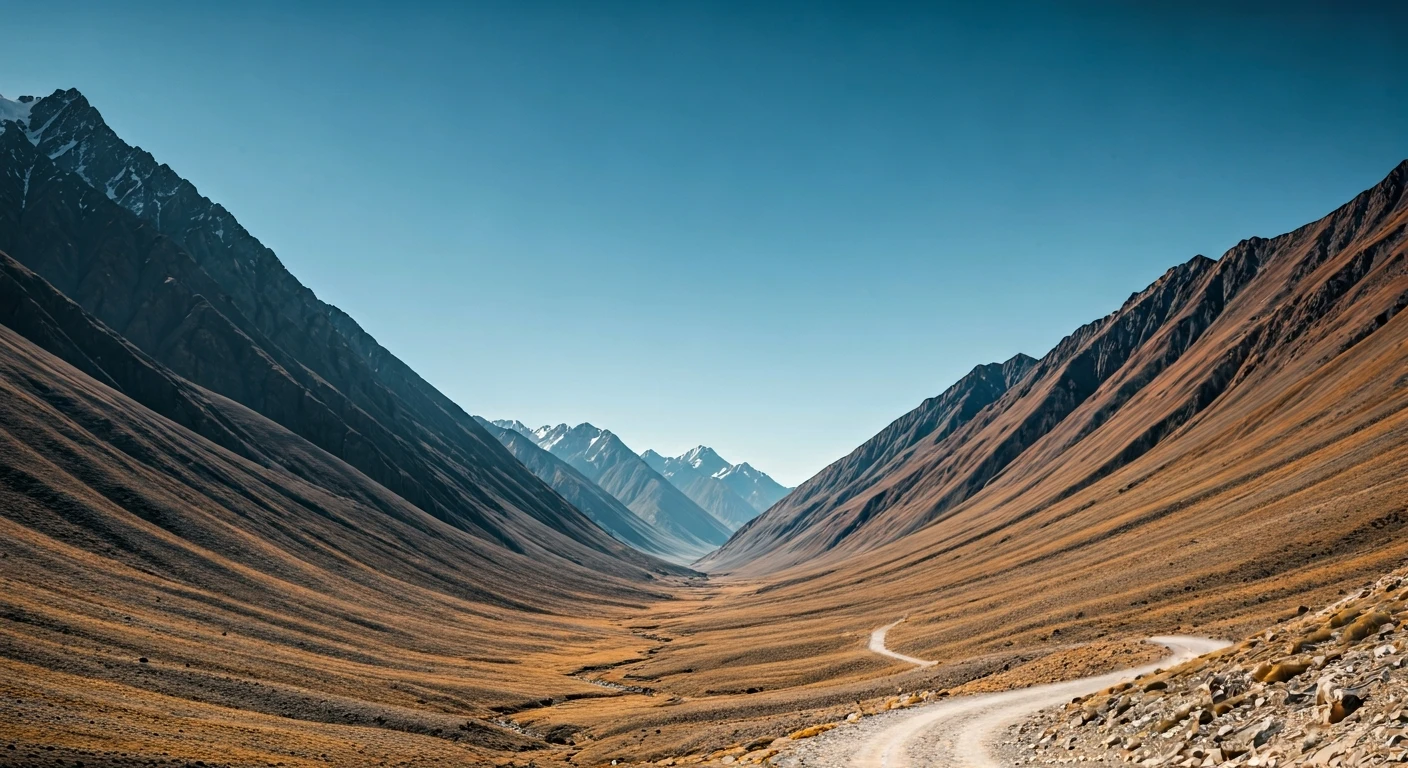
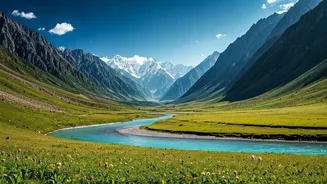
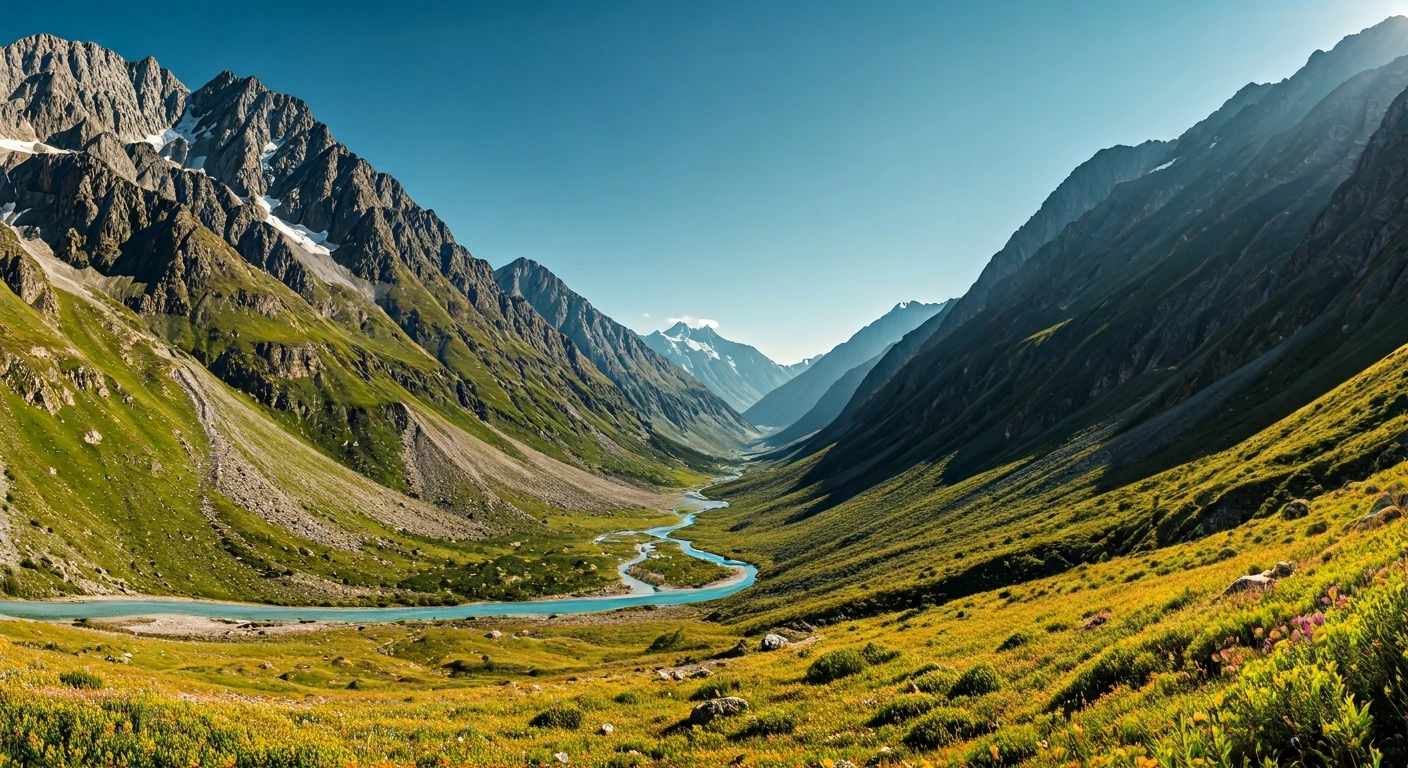
Tucked away in the verdant Kullu Valley of Himachal Pradesh, India, Naggar feels like a world away from the bustling tourist hubs of Shimla or Manali. Perched on a forested hillside with staggering views of the snow-capped peaks across the Beas River,
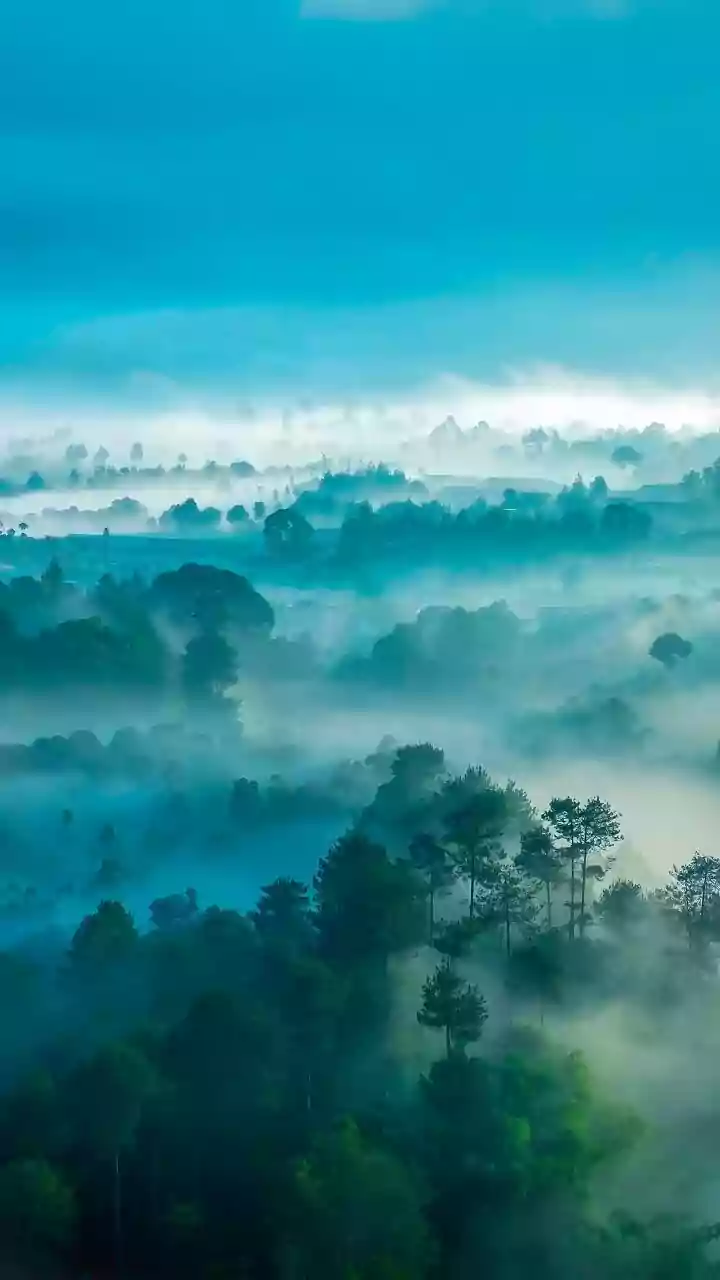
its very location is an artistic statement. For centuries, this has been a place of quiet contemplation, political power, and profound inspiration. The air is crisp with the scent of pine and deodar cedar, and the soundtrack is a mix of wind through the trees and the distant chime of temple bells. This isn't a destination you rush through; it’s one you breathe in. For the art and history traveler, Naggar isn’t just a stop—it’s a destination where the landscape itself is the first exhibit, setting the stage for the deep cultural treasures layered within its winding lanes.
A Russian Soul in the Himalayas
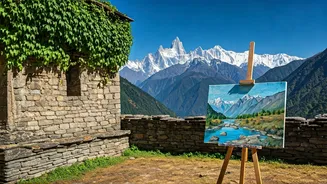
The heart of Naggar’s artistic identity beats within the former home of Nicholas Roerich, a remarkable Russian artist, writer, and philosopher who settled here in 1929. The Roerich Estate is now a beautifully preserved gallery and museum that provides the main draw for many visitors. Walking through the rooms where Roerich and his family lived and worked is an intimate experience. His paintings, famous for their ethereal depictions of the Himalayas, hang on the walls, capturing the mountains in vibrant, mystical hues of blue, purple, and pink. Roerich saw these peaks as more than just geological formations; he saw them as spiritual guardians and a source of cosmic energy. His canvases transport you to a world of high-altitude monasteries, wise gurus, and stark, serene beauty. The gallery is not just a collection of paintings but a portal into the mind of a man who dedicated his life to art, peace, and the unifying power of culture. It is this legacy that firmly places Naggar on the global map of art pilgrimage.
The Castle on the Hill
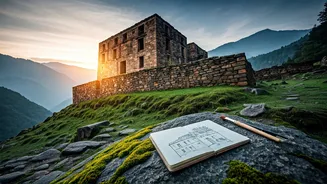
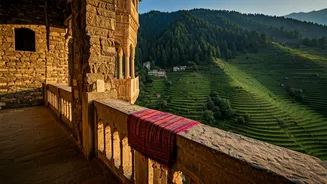
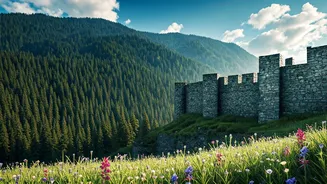
Long before the Roerichs arrived, Naggar was the ancient capital of the Kullu kingdom. Its history is etched into the stones of Naggar Castle, a magnificent structure dating back to the 15th century. Built in the traditional architectural style of the region known as *kath-kuni*—a clever layering of stone slabs and cedar wood beams—the castle was designed to be earthquake-resistant and has stood for over 500 years. Today, it functions as a heritage hotel run by the state tourism department, but its courtyards, balconies, and a small temple are open to the public. Standing on its wooden verandah, looking down at the sprawling valley below, it’s easy to imagine the rajas who once ruled from this very spot. The castle offers a tangible connection to the region’s medieval past, a time of feudal lords and Himalayan dynasties. It’s a historical counterpoint to Roerich’s 20th-century artistic vision, proving that Naggar’s cultural roots run deep.
Beyond the Main Attractions
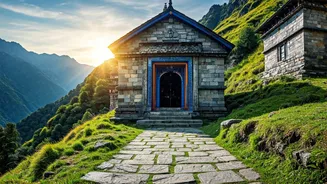
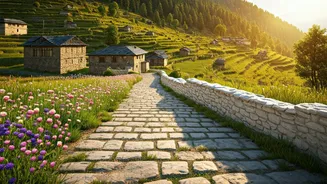
While the Roerich Estate and Naggar Castle are the town's crown jewels, its charm lies in what you discover between them. Naggar is dotted with ancient stone temples, like the Gauri Shankar Temple with its intricate carvings, and the pagoda-style Tripura Sundari Temple. A short, scenic walk brings you to the Jana Waterfall, a popular local picnic spot. The true experience, however, is simply wandering through the village, observing daily life, sipping chai at a small dhaba, and allowing the slow, peaceful rhythm of the mountains to seep into your consciousness. Unlike more commercialized destinations, Naggar offers a sense of authenticity and tranquility. It’s a place that rewards curiosity and encourages travelers to slow down, look closer, and engage with their surroundings. This blend of major cultural landmarks and quiet, immersive atmosphere makes it an ideal “address” for the modern traveler who values both art and authenticity.