

Architecture as an Attraction
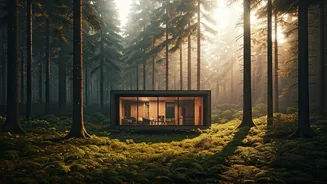
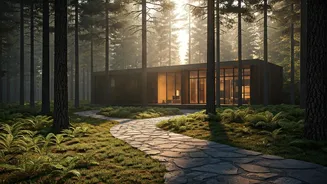
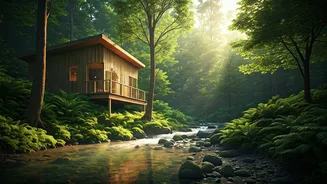
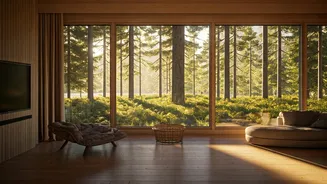
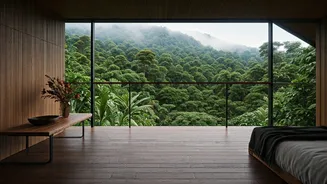
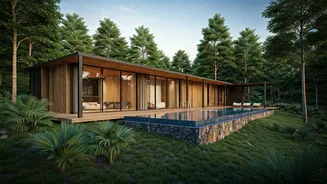
The first thing you notice about these new nature lodges isn't the thread count, but the building itself. Gone are the cookie-cutter log cabins and generic hotel blocks. In their place are structures that are destinations in their own right. Think minimalist
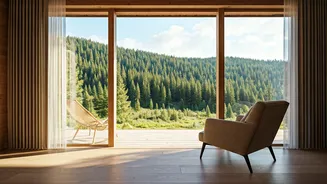
glass cabins in the Catskills that frame the forest like a painting, or geodesic domes in the Utah desert that feel both futuristic and elemental. Architects are using natural materials like reclaimed wood, local stone, and Corten steel to create spaces that don't just sit in the landscape, but actively engage with it. These lodges, like Piaule in New York or Under Canvas across the country, treat design as a core part of the experience, proving that a connection to nature doesn't require sacrificing an appreciation for world-class aesthetics. The building is no longer just shelter; it's the first chapter of the story.
From Hiking Trails to Curated Moments
The old model of nature tourism was largely passive. A lodge provided a map and pointed you toward the nearest trail. The new model is about active, curated programming. These boutique properties are transforming a simple stay into a multi-sensory retreat by staffing their teams with experts beyond traditional hospitality roles. Instead of a simple walk in the woods, guests are taking guided foraging workshops with a resident botanist, learning about constellations from an on-site astronomer, or participating in outdoor sound baths led by a wellness practitioner. This shift moves beyond mere access to nature and toward a deeper, more intentional engagement with it. The goal is no longer just to see the wilderness, but to learn from it and connect with it in a structured, meaningful way.
When Sustainability Becomes the Ultimate Luxury
In the past, 'eco-friendly' in travel often translated to compromise—think low-flow showers and requests to reuse your towels. Today's boutique lodges have flipped the script, positioning sustainability as the ultimate amenity. This isn't about sacrificing comfort; it's about enhancing the experience through conscious choices. Many of these properties operate off-grid with solar power, utilize sophisticated rainwater collection systems, and eliminate single-use plastics entirely. The culinary programs are hyper-local, often built around an on-site organic garden or partnerships with nearby farms, resulting in fresher, more flavorful food. For the modern traveler, knowing that their stay has a minimal environmental footprint isn't just a feel-good bonus; it's a mark of true luxury and a fundamental part of the appeal.
The Power of Small-Scale Intimacy
Perhaps the most significant change is the move away from scale. While national park lodges and large resorts aim to accommodate hundreds, boutique nature lodges champion intimacy. With often fewer than 20 rooms or cabins, the experience becomes profoundly personal and serene. You aren't competing for a spot by the fire pit or navigating crowded common areas. This small scale fosters a sense of quiet exclusivity and allows for a level of personalized service that's impossible to replicate in a larger setting. Staff members know your name, and the atmosphere feels less like a hotel and more like a stay at a very well-appointed friend's estate. It taps into a growing desire to escape not just the city, but the crowds, offering a genuine sense of peace and solitude that has become the most sought-after commodity of all.