





The New Gut Health Capitals
Walk into a chic café in Mumbai or Bangalore today, and you’re just as likely to find a menu boasting artisanal kombucha as you are a classic masala chai. The global wellness movement, with its intense focus on gut health, has landed in urban India, and it’s
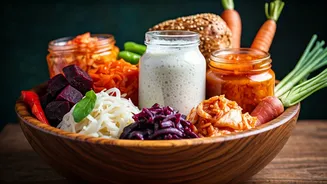
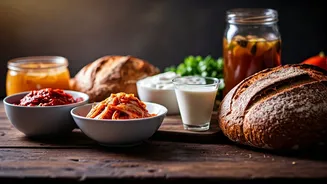
taking on a distinctly local flavor. Young, health-conscious Indians are driving a surge in demand for fermented products, from globally recognized staples like kimchi and kefir to locally brewed bottles of fizzy, probiotic-rich drinks. Workshops on making sourdough and fermented vegetables are selling out, and Instagram feeds are filled with vibrant images of homemade ferments. This isn't just a niche hobby; it's a full-blown cultural moment, reflecting a wider shift towards mindful eating and preventative health, accelerated by a post-pandemic focus on immunity.
An Ancient Practice, Rediscovered
But here's the fascinating part: this trend isn't entirely new. While the branding and social media buzz are modern, fermentation is deeply woven into the fabric of Indian cuisine. For centuries, households across the subcontinent have relied on fermentation not just for preservation but for flavor and nutrition. Think of the fluffy, steamed idli cakes and crispy dosa crepes of South India. Their signature tang and easy digestibility come from a batter of rice and lentils, fermented overnight. Or consider dhokla, a spongy, savory cake from Gujarat, which also gets its airy texture from a fermented batter. For generations, these foods were simply part of daily life. Now, they are being re-branded and celebrated through the modern lens of wellness, hailed for their natural probiotic content and gut-friendly properties. What was once just 'home food' is now a 'superfood'.
Meet Kanji, the Drink of the Moment
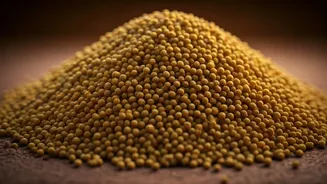
Beyond the familiar idli and dosa, wellness enthusiasts are reviving lesser-known regional treasures. The star of this revival is arguably kanji. Traditionally a North Indian specialty, this pungent, tangy, and deeply savory drink is typically made by fermenting black carrots in water with mustard seeds and spices. The result is a stunningly deep purple beverage that’s both a flavor explosion and a probiotic powerhouse. Once a seasonal drink made in homes to aid digestion during festivities, kanji is now being bottled by boutique brands and featured on health-food menus. It represents the perfect fusion of the trend: an authentic, traditional recipe that happens to align perfectly with contemporary health science about the benefits of fermented foods. It’s the Indian answer to beet kvass, with a unique spicy kick.
Hype, Health, and Heritage
So, why is this happening now? It’s a perfect storm of factors. First, global connectivity means that health trends that start in Los Angeles or Seoul quickly find an audience in Delhi. The language of 'gut microbiome' and 'probiotics' is now universal among the wellness-savvy. Second, there's a growing movement within India to look inward and celebrate indigenous ingredients and culinary techniques. Chefs and food entrepreneurs are finding value and pride in showcasing the complexity of their own food heritage, rather than just importing Western trends. This embrace of fermentation is as much about cultural reclamation as it is about health. It’s a way for a new generation to connect with their roots while participating in a modern, global conversation about what it means to eat well.