




The Allure of the Downpour
There’s a whole aesthetic built around rain. It’s the soundtrack for a thousand moody movie scenes and the default setting for any good detective novel. On social media, the “pluviophile”—someone who loves rain—finds comfort in the gray skies and glistening
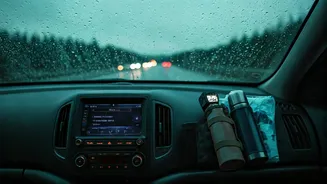
streets. It’s a sensory experience: the smell of petrichor as the first drops hit dry earth, the blurry impressionist painting seen through a water-streaked window, the feeling of being safe and warm inside while nature puts on a show. For many, a rainy day is a guilt-free pass to slow down. It’s a permission slip from the heavens to read a book, brew a second pot of coffee, or simply listen to the storm without the nagging pressure of a sunny day’s obligations. This is the fun part of the rain drama, the romantic and peaceful opening act.
When the Pavement Gets Angry
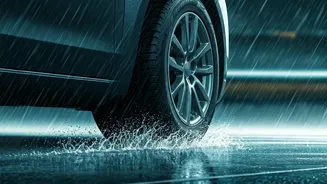
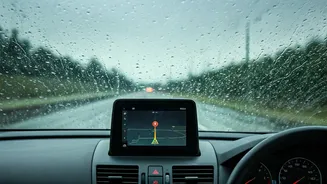
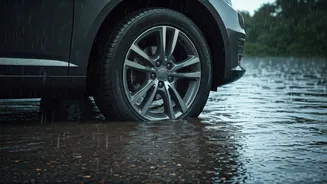
The romance ends the second you grab your car keys. Once you're behind the wheel, the road—an environment built on predictability and clear rules—becomes a chaotic and treacherous space. The same water that was a soothing soundtrack is now actively working against you and your vehicle. The most immediate and common danger is hydroplaning. According to the National Highway Traffic Safety Administration (NHTSA), weather is a factor in a huge number of annual crashes, with rain being a primary culprit. It takes only a thin layer of water, about 1/12th of an inch, for a tire traveling at 35 mph or more to lose contact with the pavement. Your car essentially becomes a boat with no rudder, sliding uncontrollably on a sheet of water. Add in dramatically reduced visibility and longer braking distances, and you have a recipe for disaster. The road is no longer a passive surface; it’s an unpredictable adversary.
The Dangers You Can't See
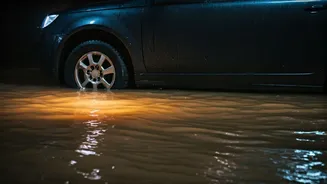
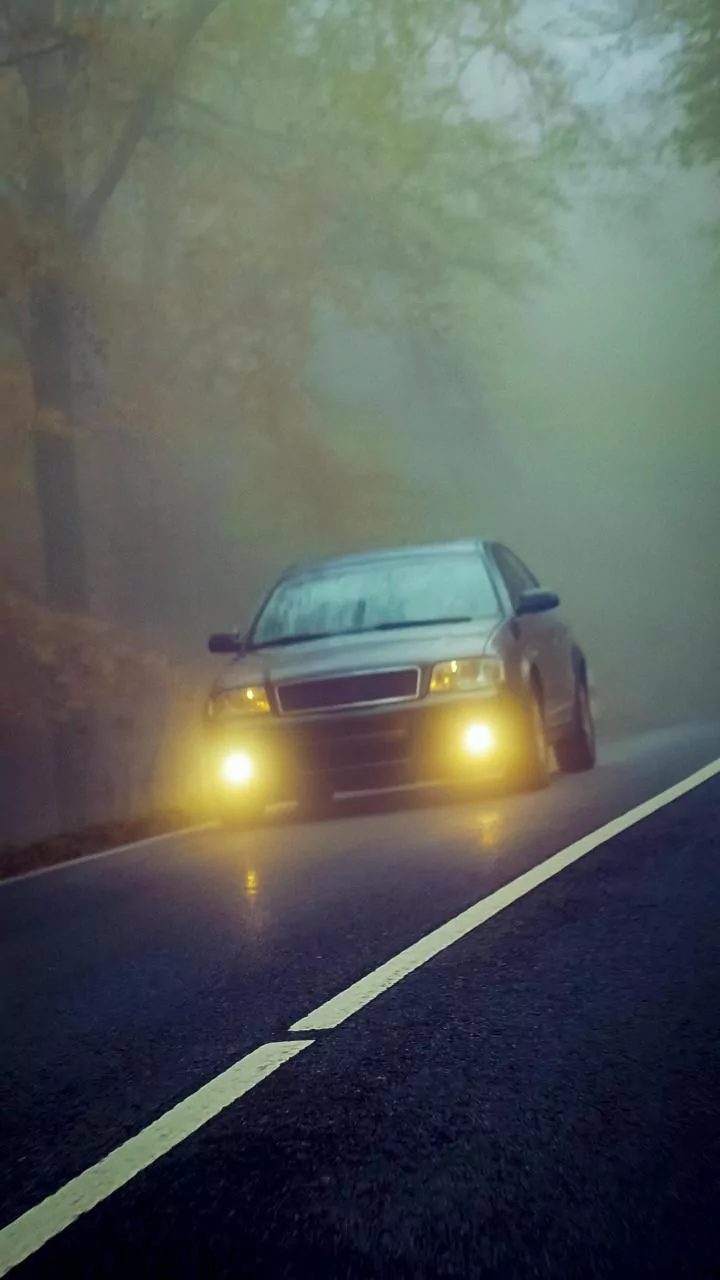
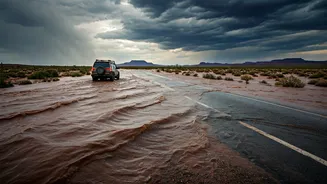
What makes rainy driving truly nerve-wracking are the threats hidden by the deluge. That seemingly shallow puddle ahead could be concealing a tire-destroying, alignment-wrecking pothole. The painted lines that guide you through lanes and intersections can disappear completely under a sheen of water and headlight glare, turning a simple merge into a guessing game. But the most serious hidden danger is moving water. The National Weather Service’s famous slogan, “Turn Around, Don’t Drown,” isn’t just catchy; it’s a life-saving directive. It takes a mere six inches of fast-moving water to knock over an adult, and just 12 inches can carry away most passenger cars. A foot of water doesn’t seem like much, but when it’s obscuring the road ahead, you have no way of knowing if the road is even still there. It could have been washed away, creating a deadly trap.
How to Tame the Road
You can’t control the weather, but you can control how you react to it. Driving safely in the rain isn’t about being fearless; it’s about being smart and respectful of the conditions. First, and most importantly, slow down. Reducing your speed gives your tires a better chance to maintain contact with the road and increases your reaction time. Second, double your following distance from the car ahead—at least. You’ll need the extra space to brake safely on slick surfaces. Third, make sure your car is ready. Check your tire tread and pressure, as worn tires are a major contributor to hydroplaning. Ensure your windshield wipers are in good condition and your headlights are on for visibility. Finally, avoid using cruise control. If you start to hydroplane, the cruise control system can cause the vehicle to accelerate unexpectedly once the tires regain traction. If you do find yourself hydroplaning, ease your foot off the gas and steer straight until you feel the tires reconnect with the road. Never slam on the brakes.