



Defining This Sophisticated Hue
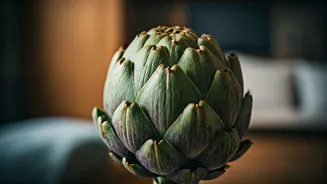
Forget the electric lime of the '80s or the avocado green of the '70s. Artichoke green is its chic, worldly cousin. It’s a muted, mid-tone green with significant gray and yellow undertones, evoking the dusty, silvery leaves of the vegetable itself. Think
of a walk through a sun-drenched olive grove or the soft color of a dried eucalyptus branch. This isn't a loud, attention-seeking shade; it’s a color that whispers. Its complexity allows it to shift beautifully in the light, appearing cooler and more herbal in the morning and warmer, almost golden, in the afternoon sun. This depth is what separates it from simpler greens like sage or mint, giving it a more luxurious and enduring feel.
Why This Color, Why Now?
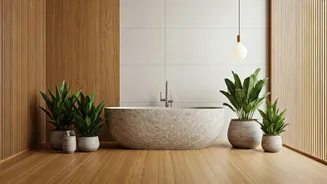
The rise of artichoke green isn’t happening in a vacuum. It’s a direct response to a cultural shift. After a decade of cool-toned minimalism that sometimes veered into sterile territory, we’re collectively seeking comfort, sanctuary, and a connection to the natural world within our homes. This trend, known as biophilic design, is all about bringing the outdoors in. Artichoke green is the perfect ambassador for this movement. Its earthy quality is inherently calming and grounding, reducing stress and promoting a sense of well-being. Furthermore, it functions as a “new neutral.” While still being a distinct color, its muted nature allows it to pair with a vast range of other tones without overwhelming a room, making it far more versatile than a bright, saturated hue.
Go Bold on Walls and Cabinetry
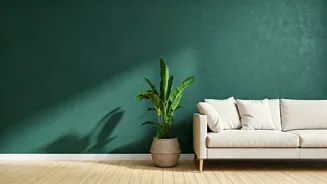
If you’re ready to fully embrace the trend, using artichoke green on your walls or kitchen cabinets makes a stunning statement. In a living room or bedroom, it creates a cozy, enveloping atmosphere that’s perfect for relaxation. A matte or eggshell finish will emphasize its soft, chalky quality. In a kitchen, artichoke green cabinetry feels both classic and contemporary. It breaks the monotony of all-white kitchens and pairs beautifully with materials like butcher block countertops, marble, and brass hardware. Because of its gray undertones, it won’t feel dated in a few years; instead, it will settle in like a timeless choice that has always belonged.
Start Small with Textiles and Decor
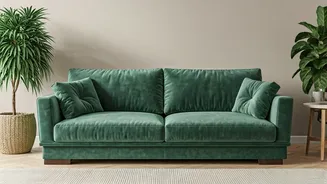
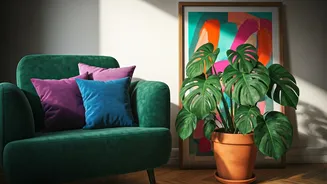
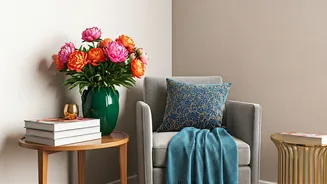
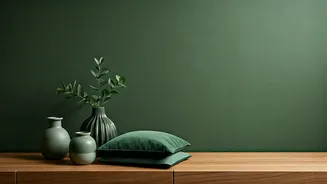
Not ready to commit to painting a whole room? You can still bring this refreshing color into your space with smaller, less permanent touches. This is the perfect way to test the waters and see how the color interacts with your existing decor. Look for velvet or linen throw pillows in a rich artichoke shade to add depth to a neutral sofa. A chunky knit blanket draped over an armchair provides a pop of color and texture. In the dining room, consider a set of artichoke green placemats or a ceramic vase as a centerpiece. Even a single piece of art that features the color can be enough to tie a room together and make it feel more current.
The Best Colors to Pair It With
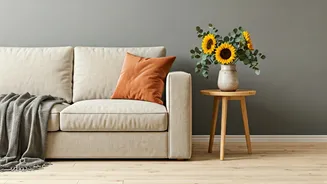
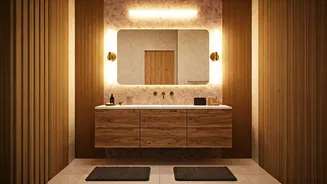
Artichoke green’s strength lies in its versatility as a team player. To create a warm, organic look, pair it with creamy whites, natural wood tones, and materials like rattan and jute. For a more dramatic and sophisticated palette, combine it with charcoal gray, deep navy blue, or even a splash of black. Brass and gold metals make it feel glamorous, highlighting its warm undertones. For a softer, more romantic feel, try pairing it with dusty rose, terracotta, or a muted mauve. The key is to lean into its earthy nature. Think of colors and textures you’d find in a garden or a forest, and you can’t go wrong.