






The Appeal of the Off-Season
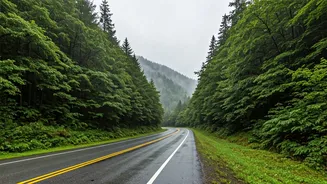
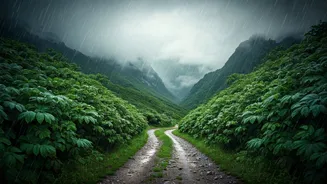
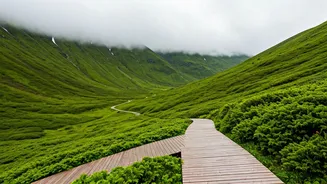
Whether it’s the dramatic summer thunderstorms in the American Southwest or the drenched, vibrant beauty of Southeast Asia, monsoon season has a unique draw. Destinations that are often packed and expensive during peak season become quieter and more accessible.
Photographers love the dramatic skies and saturated colors, while budget travelers appreciate the deals on flights and accommodations. In places like Thailand, India, or Costa Rica, the daily downpour can be a predictable and even welcome afternoon event, leaving mornings and evenings clear for exploration. This promise of a more authentic, less-crowded experience is what tempts many travelers to embrace the rain. But that temptation should always be balanced with a heavy dose of pragmatism.
Beyond a Little Rain: Real-World Risks
The primary mistake travelers make is underestimating what “monsoon” actually means. It’s not just a few hours of drizzle. It can mean days of torrential, non-stop rain that causes significant logistical chaos. Flights are often the first casualty. Airports in affected regions may delay or cancel flights due to low visibility or high winds, creating a ripple effect across your itinerary. On the ground, the problems multiply. Flash floods can wash out roads, making travel between cities impossible and stranding you in one location. This is a common issue in both mountainous regions of Asia and the deserts of Arizona and Utah, where dry washes can become raging rivers in minutes. Popular activities like boat tours, jungle treks, and even access to certain beaches may be suspended for safety reasons, leaving you with a hotel room and nothing to do. The dream of a quiet getaway can quickly become a reality of being stuck.
Your First Line of Defense: Booking Flexibility
This is where the headline’s advice becomes non-negotiable. Building flexibility into your plans from the very beginning is the single most important thing you can do. Start with your biggest expenses: flights and hotels. When booking flights, look for airlines that offer fee-free changes or have generous cancellation policies. Even if the fare is slightly higher, the peace of mind is worth it. For U.S. domestic flights, remember the Department of Transportation's “24-hour rule,” which allows you to cancel a booking made at least seven days before departure within 24 hours without penalty. For hotels, book directly with the property whenever possible, as they often have more lenient cancellation terms than third-party sites. Always read the fine print. A “flexible” rate that allows you to cancel up to 72 hours before check-in is far superior to a non-refundable deal that saves you a few dollars but locks you in completely.
The Insurance Safety Net You Actually Need
Many travelers assume their standard travel insurance policy will save them. This is often not the case. Most basic policies do not cover trip cancellations due to “bad weather.” They typically only kick in for named storms (like a hurricane) or unforeseen events that completely halt travel services for more than 24 hours. A week of relentless rain that ruins your beach plans is not a covered reason for cancellation. The solution is to upgrade to a “Cancel For Any Reason” (CFAR) policy. As the name implies, CFAR allows you to cancel your trip for any reason—including simply changing your mind or not liking the weather forecast. These policies are more expensive, usually adding 40-50% to your premium, and they typically only reimburse 50-75% of your non-refundable costs. However, for an expensive, long-haul monsoon season trip, recovering 75% of your investment is infinitely better than losing it all.
Pack and Plan for Uncertainty
Once your flexible bookings are secured, your on-the-ground strategy matters. Your packing list should be tailored for wet conditions. Prioritize quick-dry clothing, waterproof shoes or sandals, and a reliable rain jacket. Electronics should be protected in waterproof bags or cases. A portable power bank is a must, as power outages can be common during intense storms. Most importantly, maintain a flexible mindset. Have a list of indoor activities you can enjoy, like museum visits, cooking classes, or spa days. Research alternative travel routes in case your primary plan is disrupted. Don’t over-schedule your days. The beauty of monsoon travel is often found in the quiet moments—reading a book while the rain falls, enjoying a long meal, and adapting to the rhythm of the weather.