



Goa’s Joyful Leap of Faith
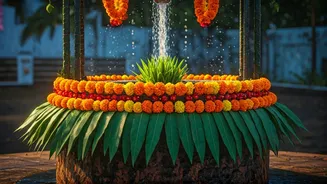
In the sun-soaked state of Goa, typically known for its beaches and laid-back vibe, the monsoon ushers in one of its most unique and exuberant festivals: Sao Joao. Celebrated on June 24th, the feast of St. John the Baptist takes on a boisterous, aquatic
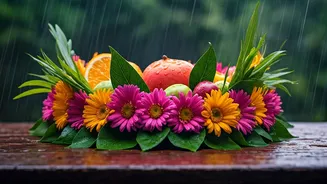
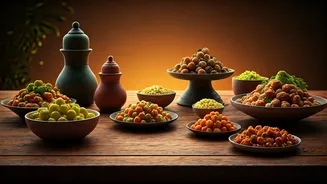
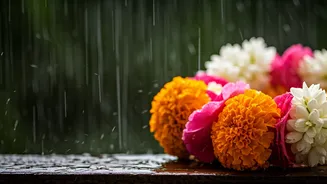
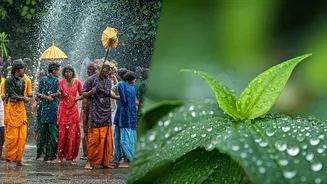
life of its own. The festival’s central tradition is rooted in the biblical story of John the Baptist leaping for joy in his mother Elizabeth’s womb when visited by a pregnant Mary. To honor this, Goans—especially young men—take a literal leap of faith into overflowing wells, ponds, and streams. This isn't a solemn affair. It's a full-blown water party. Villagers, wearing colorful floral crowns called ‘kopels,’ gather to sing, dance, and cheer on the jumpers. Traditional folk songs fill the air as people share fruits, sweets, and feni, a potent local cashew or coconut spirit. The act of jumping into the well symbolizes both a baptismal renewal and a welcome to the life-giving rains that will replenish the earth after the hot, dry summer. Far from being a nuisance, the rain is the guest of honor, turning the entire landscape into a playground for a community united in spirited celebration.
Assam’s Sacred Fertility Rite
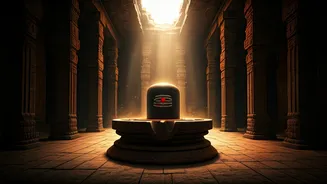
Travel over 1,500 miles northeast to the state of Assam, and you’ll find a profoundly different, yet equally significant, monsoon tradition. Here, the Ambubachi Mela unfolds at the Kamakhya Temple in Guwahati, one of the most revered Shakti Peethas in Hinduism. This four-day festival is an ancient Tantric celebration of the earth’s fertility, centered on the belief that the goddess Kamakhya, a form of Mother Earth, undergoes her annual menstruation during this time. Unlike the public revelry of Sao Joao, the core of Ambubachi is a period of quiet reverence. The temple’s main sanctum is closed to all for three days, as the goddess is believed to be in a state of sacred impurity and rest. During this time, farming and other activities that disturb the soil are avoided across the region. Outside the temple, however, a massive congregation of ascetics, holy men (sadhus), and devotees from all over India gather. They chant, perform rituals, and wait for the temple to reopen on the fourth day. When the doors open, worshippers receive small bits of red cloth, believed to be moistened with the goddess's menstrual fluid, as a potent blessing for fertility and prosperity. The festival transforms the monsoon's arrival into a powerful symbol of nature’s ability to regenerate.
Two Festivals, One Season
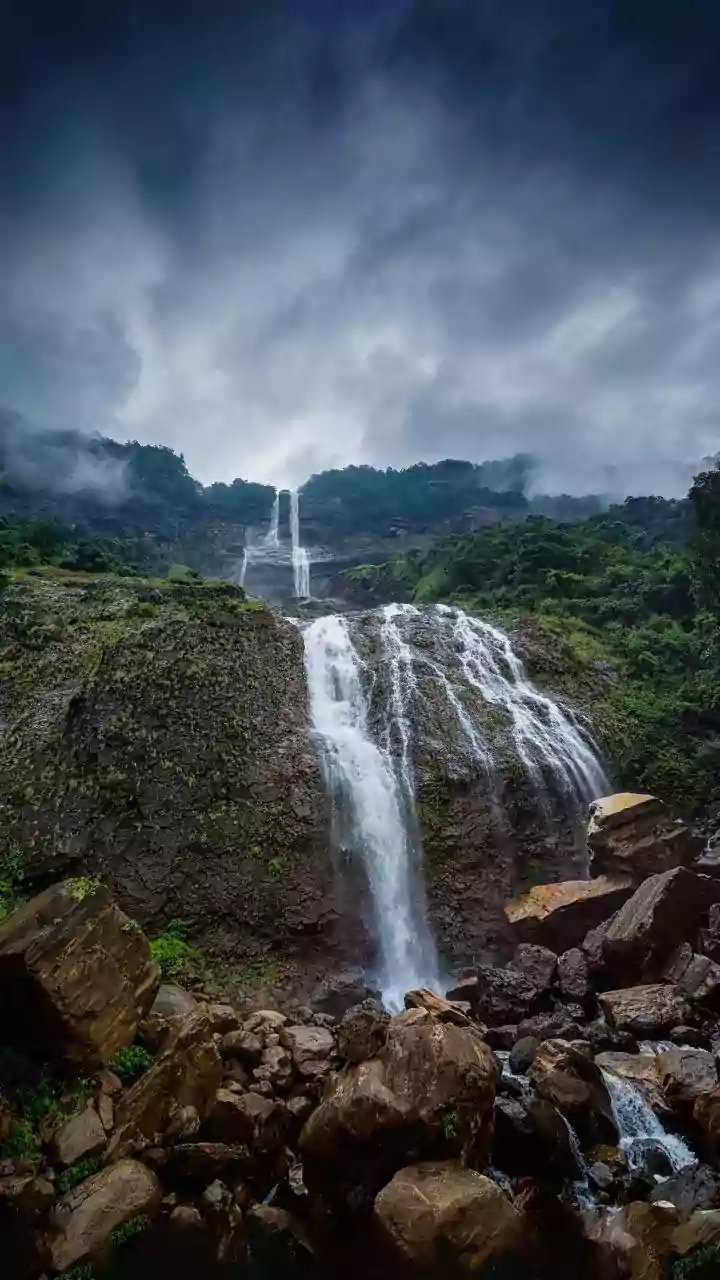
Though wildly different in tone and practice—one a vibrant, communal party, the other a mystical, ascetic gathering—both Sao Joao and Ambubachi Mela share a common thread. They reframe the rainy season not as an inconvenience to be endured, but as a vital, sacred, and celebratory chapter in the annual cycle. Goa’s festival channels the monsoon’s energy into outward expressions of joy and community bonding, a physical release of pent-up energy. Assam’s ritual, by contrast, turns inward, focusing on the mystical and generative power of the earth, personified by the goddess. For an American audience accustomed to seeing rain as a forecast for canceled plans, these festivals offer a powerful perspective shift. They demonstrate how culture can shape our relationship with the natural world, transforming a simple meteorological event into a profound source of faith, community, and renewal. It’s a reminder that in many parts of the world, a downpour isn't the end of the party—it’s the reason it starts.