




The Wild Downpour of Wayanad
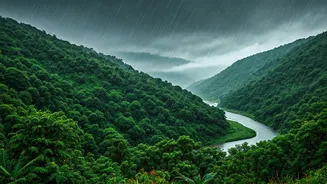
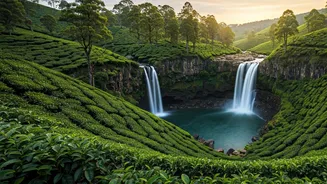
Imagine a green so deep it feels like it could swallow you whole. This is Wayanad, a jewel in the Western Ghats of Kerala, during the monsoon. From roughly June to September, this region receives the full, unbridled force of the Southwest Monsoon. This isn't
a gentle pitter-patter; it's a dramatic, soul-stirring downpour that can last for days. The air grows heavy with the scent of wet earth, blooming ginger, and crushed pepper leaves. For the traveler seeking total immersion in nature’s power, the rain in Wayanad is not an inconvenience—it’s the main event.
The Experience: Lush and Alive
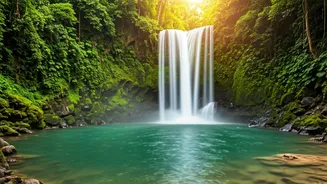
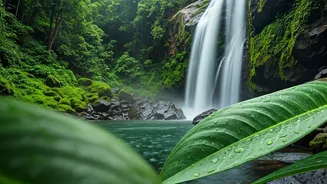
The vibe here is primal and rejuvenating. The rain quiets the world down to the sound of water: dripping from enormous teak leaves, rushing down hillsides in temporary streams, and thundering over cliffs at newly engorged waterfalls. It’s a time for cozying up in a plantation bungalow with a book and a steaming cup of local tea, watching the clouds roll through the valleys. The landscape, a patchwork of tea estates, spice plantations, and dense forest, becomes electric with life. This is a trip for those who find peace in the roar of nature, not the buzz of a city.
What to Do in the Rain
While some heavy treks may be closed, the monsoon opens up other opportunities. This is the best time to see Wayanad’s famous waterfalls, like Meenmutty and Soochipara, at their most spectacular. You can take guided walks through spice plantations—the rain washes the dust off the leaves, making the aromas of cinnamon, cardamom, and vanilla even more potent. Many resorts also offer Ayurvedic treatments, which are traditionally considered more effective during the monsoon season when the body is more receptive. It’s an active, yet deeply relaxing, style of vacation.
The Romantic Drizzle of Udaipur
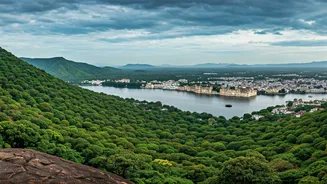
Now, travel north to the desert state of Rajasthan, and the monsoon tells a completely different story. In Udaipur, the “City of Lakes,” the rain is a welcome guest, not a powerful resident. Arriving later and with less intensity (typically July and August), the monsoon here is a gentle, romantic affair. It washes the desert dust from the ornate marble palaces, cools the air, and fills the city’s iconic lakes. The sky turns a soft, hazy grey, casting a dreamlike filter over the city’s domed skyline. This is the rain of poets and painters—a backdrop for history, not a force of nature.
The Experience: Historic and Hazy
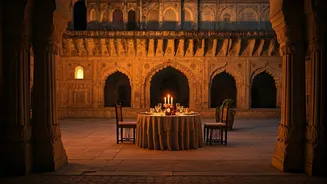
The feeling in Udaipur during the monsoon is one of regal romance. The Aravalli Hills surrounding the city, normally brown and arid, blush with a surprising coat of green. The rain is often a brief, cooling shower in the afternoon rather than a constant downpour. It’s the perfect excuse to duck into a lakeside café for hot chai and pakoras while watching the ripples on Lake Pichola. The reflections of the City Palace and Jag Mandir shimmer on the water’s surface, made even more ethereal by the soft light. This is a journey for those who want their history and luxury served with a side of moody, atmospheric beauty.
What to Do in the Rain
Udaipur’s charms are amplified, not diminished, by the rain. Exploring the sprawling City Palace feels even more atmospheric as you look out from ornate jharokhas (balconies) at the misty landscape. A boat ride on a freshly filled Lake Pichola is a must. The crowds are thinner than in peak season, allowing for more intimate explorations of the city’s winding lanes, artisan shops, and stunning temples. Find a rooftop restaurant (with covered seating, of course) and watch the sunset paint the wet city in hues of orange and purple. It’s a city break, perfected.