





The Functional Food Takeover
Not long ago, the concept of “wellness” in food was quarantined to a specific, often dusty, aisle in the supermarket. It was the land of kombucha, flax seeds, and products that felt more medicinal than enjoyable. But a quiet revolution has been happening
in plain sight. The principles of wellness—fortification, function, and “clean” ingredients—have broken containment and are now reshaping everything from your morning coffee to your late-night snack. This is the rise of “functional foods”: everyday items engineered to do more than just taste good or provide basic calories. They promise to improve your gut health, boost your brain, calm your nerves, or build your muscles. The global functional food market is booming, signaling a fundamental shift in consumer expectations. We no longer just want our food to be fuel; we want it to be an active participant in our health journey.
Why Your Pantry Looks Different
What’s driving this massive shift? It’s a perfect storm of consumer demand, social media influence, and new food technology. Today’s shoppers, particularly Millennials and Gen Z, are more health-literate than any generation before them. They read labels, question ingredients, and seek out products that align with their personal health goals. They don’t want to choose between indulgence and well-being; they want both. Enter the “better-for-you” revolution. Brands are responding by reformulating classic products to cut down on sugar, add protein and fiber, and incorporate trendy wellness ingredients like adaptogens (stress-reducing botanicals) and nootropics (brain-boosters). Social media platforms like TikTok and Instagram act as powerful accelerators, turning niche products like prebiotic sodas or low-carb cereals into viral sensations overnight. Food science has also made it possible to create these products without the chalky, joyless textures of old-school health food, making the transition seamless for the average consumer.
Meet the New Grocery All-Stars
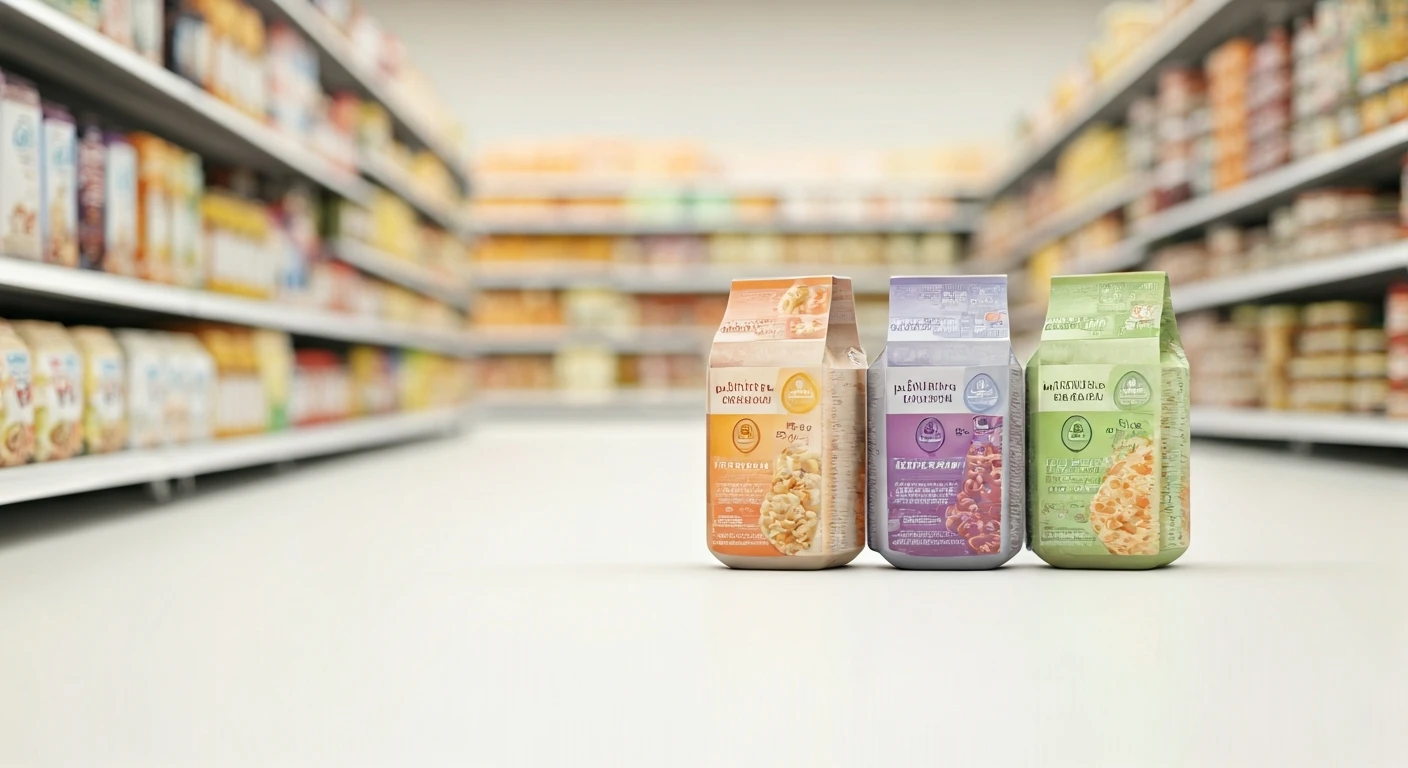
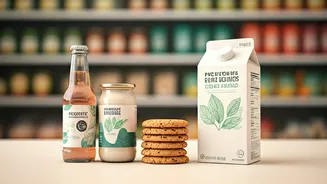
The evidence of this wellness era is everywhere. The soda aisle, once a monument to sugar, now features brands like Olipop and Poppi, which boast prebiotics and botanicals for gut health, offering a fizzy treat with a functional twist. In the cereal aisle, Magic Spoon and Catalina Crunch have reimagined sugary breakfast classics as high-protein, low-carb options that feel like a cheat meal but fit a keto-friendly diet. It doesn’t stop there. Ice cream is being infused with protein. Coffee is blended with mushrooms like Lion’s Mane for cognitive focus. Potato chips are being replaced by snacks made from chickpeas, lentils, and cassava flour. Even candy is getting a makeover, with brands offering low-sugar gummies packed with fiber. These products aren't just alternatives; they are direct competitors to legacy brands, forcing the entire industry to innovate or risk becoming irrelevant.
Decoding the Health Halo
While this trend offers more choice, it also calls for a more discerning shopper. The marketing around these foods can create a “health halo,” making a product seem far healthier than it actually is. A high-protein cookie is still a cookie. A low-sugar soda may contain artificial sweeteners. The term “natural” is notoriously vague, and a long list of “botanical extracts” doesn’t automatically make a product a health elixir. The key is to look past the flashy packaging and front-of-box claims. The nutrition facts panel and ingredient list remain the most reliable sources of information. A “functional” food can absolutely be a positive addition to a balanced diet, especially if it replaces a less nutritious alternative. However, the wellness era demands that we become smarter consumers, able to distinguish between genuine nutritional benefits and clever, persuasive marketing.