






What Is Community Fitness?
At its heart, community fitness is about exercising *with* people, not just *around* them. It’s the difference between a silent, anonymous weight room and a CrossFit box where everyone knows your name and cheers your last rep. Think of boutique studios
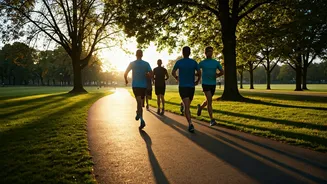
like Orangetheory and F45, where structured group classes foster a team-like atmosphere, or the rise of local running clubs that are more about conversation than pace. Even newer, more rugged forms like rucking—walking with a weighted pack—are gaining traction precisely because they are social and mission-oriented. This isn't just about a shared physical space; it’s about a shared experience, a collective effort that transforms a workout from a chore into a communal event.
The Search for a Third Place
Much of this trend's explosive growth can be traced to a deep, post-pandemic yearning for connection. For years, sociologists have talked about the decline of the “third place”—the space outside of home (the first place) and work (the second) where people build community. With remote work blurring the lines and traditional gathering spots like churches and social clubs seeing lower engagement, many Americans are feeling isolated. Community fitness groups have stepped directly into this void. They offer a built-in social life, a scheduled time to see familiar faces, and a low-stakes environment to build friendships. The workout is the excuse, but the community is the reason people keep coming back.
Accountability You Can't Buy
Anyone who’s ever set a 5 a.m. alarm for a solo jog knows how easy it is to hit snooze. But it’s a lot harder to bail when you know a friend or a coach is waiting for you. This built-in accountability is a superpower of community fitness. The simple act of being part of a group dramatically increases motivation. There’s a powerful psychological effect at play: when you see someone next to you pushing through a tough set, you’re more likely to dig deeper yourself. This positive peer pressure, combined with vocal encouragement from coaches and classmates, creates an energy that’s impossible to replicate on your own. It turns “I have to work out” into “I get to go see my people.”
From Shared Struggle to Real Friendship
There’s a unique bond forged in shared struggle. Whether it’s completing a grueling workout, hitting a new personal record, or just surviving a particularly tough class, these collective challenges build camaraderie. The high-fives and fist bumps aren't just for show; they’re acknowledgments of a shared effort. This environment naturally spills over into life outside the gym. It’s common for these groups to organize social events, grab coffee after a morning session, or support each other through life’s other challenges. The friendships formed in the sweaty crucible of a group workout often become some of the most steadfast, grounded in mutual respect and a shared commitment to showing up—for the workout, and for each other.
Finding the Right Fit
Of course, community fitness isn't a one-size-fits-all solution. The intensity—and cost—of some boutique studios can be prohibitive. The rah-rah culture of certain groups might feel overwhelming or even cult-like to those who prefer a quieter approach. For introverts, the very idea of mandatory small talk before a workout can be exhausting. But the beauty of the trend’s growth is the diversity it has spawned. From neighborhood walking groups and casual sports leagues to high-intensity training centers, there is a community for nearly every personality and fitness level. The key is finding a group whose culture and intensity match your own personal goals and social comfort zone.