





The Irresistible Pull of Rainy-Day Fritters
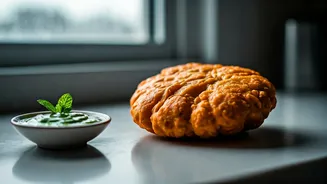
For millions, especially those with roots in South Asia, the scent of rain mixing with the sizzle of oil is pure poetry. Pakoras—vegetables or proteins dipped in a spiced chickpea flour batter and deep-fried to golden perfection—are the unofficial snack
of the monsoon. They represent warmth, comfort, and a delicious defiance of the gloomy weather outside. Served steaming hot with a cup of chai and a tangy chutney, they aren't just food; they're a mood, a tradition, a moment of collective cozy indulgence. This cultural reflex is powerful and deeply satisfying, connecting us to family, memories, and the simple joy of a good snack on a dreary day.
When Comfort Food Becomes Uncomfortable
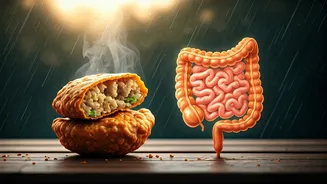
The romance often ends a few hours after the last bite. The satisfying crunch can give way to a heavy, leaden feeling in your stomach, acid reflux, or general digestive sluggishness. Traditional deep-frying, while delicious, saturates the food in oil, which can be tough on the gut. It slows digestion and can trigger discomfort for many. This doesn't mean you have to give up the tradition. It just means the tradition could use a modern, gut-friendly update so you can enjoy the comfort without the consequence.
Upgrade Your Batter
The good news is that the base of a classic pakora is already a step ahead. Most recipes call for gram flour (besan), which is made from chickpeas. It’s gluten-free and higher in protein and fiber than refined all-purpose flour. To make it even more gut-friendly, consider adding a pinch of ajwain (carom seeds) or asafoetida (hing) to the batter. Both are traditional spices known in Ayurvedic practices to aid digestion and reduce gas and bloating—common side effects of fried foods and legumes. You can also experiment with adding finely grated ginger, another powerful digestive aid that adds a wonderful layer of flavor.
Rethink the Cooking Method
This is the single biggest change you can make. While deep-frying delivers that classic texture, it’s also the biggest culprit behind digestive distress. Luckily, modern kitchens offer fantastic alternatives. Air Fryer: This is your best friend for making lighter pakoras. Lightly spray your battered vegetables with a high-heat oil like avocado oil and air fry at around 375°F until golden and crispy. You'll get a satisfying crunch with a fraction of the oil. Oven-Baking: You can also bake pakoras. Place them on a parchment-lined baking sheet, give them a light spray of oil, and bake in a hot oven (around 400°F), flipping halfway through. The texture will be slightly different—less uniformly crispy than fried—but still delicious and significantly lighter.
Pair for Balance, Not Burden
What you serve with your pakoras matters just as much as how you make them. Instead of reaching for sugary, store-bought tamarind sauce or ketchup, opt for smarter sides. A classic mint-coriander chutney made with yogurt is a perfect choice. The herbs are cooling, and the yogurt provides probiotics that support a healthy gut. Serving your pakoras with a simple, fresh salad of cucumber, tomato, and onion adds fiber and helps balance the richness of the fritters. The goal is to surround the star of the show with supporting characters that help, rather than hinder, digestion.
Savor, Don't Shovel
Finally, embrace mindful moderation. Pakora weather is a special occasion, not an everyday event. Instead of eating absentmindedly from a large platter while watching a movie, serve yourself a small portion of four or five pieces on a plate. Pay attention to each bite: the crispy exterior, the soft interior, the blend of spices. Chew thoroughly and eat slowly. This simple act not only improves digestion but also increases your satisfaction, making you less likely to overeat. You’ll find that a few truly savored pakoras are far more rewarding than a dozen eaten in a hurry.