




First, What Exactly Is It?
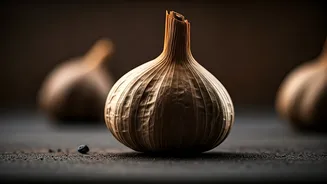
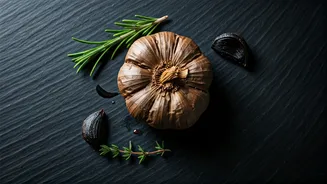
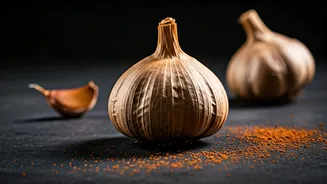
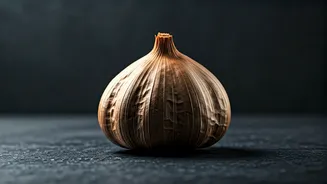
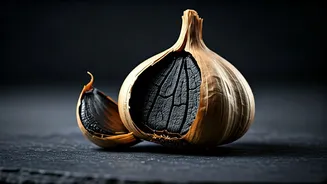
Let’s clear up a common misconception: black garlic isn’t a special, exotic variety grown in a mystical field. It’s simply regular garlic (the same kind you already have in your pantry) that has undergone a remarkable transformation. Through a carefully
controlled process of low heat and high humidity over several weeks, the cloves slowly age and turn a deep, inky black. This isn't fermentation, like with kimchi or kombucha, nor is it caramelization in the traditional sense. It's a unique, slow-motion chemical reaction that completely changes the garlic’s character from the inside out. The result is soft, slightly sticky cloves that are ready to use right out of the package, no cooking required.
The Low-and-Slow Flavor Transformation
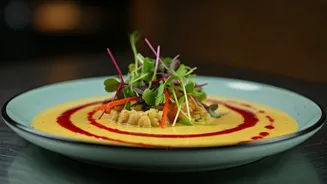
So what happens during that long, warm nap? The process is driven primarily by the Maillard reaction, the same chemical process that gives seared steak, toasted bread, and roasted coffee their delicious browned flavors. But because it happens over weeks instead of minutes, the results are far more complex. The garlic’s natural sugars and amino acids break down and rearrange themselves, creating hundreds of new flavor compounds. At the same time, enzymes break down the harsh, pungent allicin—the compound that gives raw garlic its sharp bite and lingering odor. This dual process mellows the heat entirely while building layers of profound sweetness and savory depth. What starts as a sharp, aggressive bulb becomes a soft, delicate, and deeply nuanced ingredient.
A Deep, Sweet, and Savory Taste
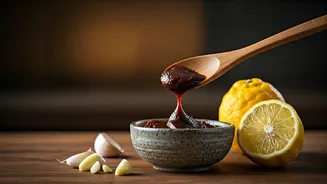
If you’ve never tried it, describing the flavor of black garlic can be a challenge. It retains a whisper of its garlicky origin, but the overwhelming notes are of something else entirely. Think of a rich, syrupy balsamic reduction, sweet dates, or tangy tamarind paste, all grounded by an earthy, mushroom-like umami. It’s sweet without being sugary and savory without being salty. The texture is another surprise: it’s soft, spreadable, and melts in your mouth, similar to a very soft fruit leather or a roasted clove of garlic that’s been cooked down for hours. This combination of complex flavor and delicate texture is what makes it such a powerful tool in the kitchen; it adds a 'what is that?' quality that elevates simple dishes into something special.
How to Start Using It Today
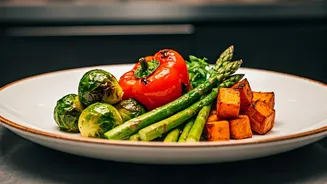
The best part about black garlic is its versatility and ease of use. Because its harshness is gone, you can be much more generous with it than you would with raw garlic. Here are a few foolproof ways to start incorporating it into your cooking: - **Compound Butter:** Mash a few peeled cloves into a stick of softened butter with a pinch of salt. Roll it into a log, chill it, and then slice off rounds to melt over a finished steak, grilled fish, steamed vegetables, or a simple piece of toast. - **Vinaigrettes and Dressings:** Mince a clove or two and whisk it into your favorite vinaigrette recipe. It dissolves easily and adds a sweet, savory depth that balances the acidity of the vinegar. - **Sauces and Soups:** Blend black garlic into pan sauces, pasta sauces, or creamy soups. It adds a background richness that tastes like the dish has been simmering for hours. - **The Simplest Snack:** Honestly, you can just spread a clove on a cracker with a bit of good cheese. It’s a fantastic appetizer that requires zero effort.
Where to Find This Kitchen Staple
A decade ago, black garlic was a specialty item found only in high-end restaurant kitchens or gourmet food shops. Today, it’s much more accessible. You can find it in the produce section of many major grocery stores like Trader Joe's, Whole Foods, and even some larger chains like Kroger or Safeway. It’s also widely available online from various retailers. It’s typically sold as whole, unpeeled bulbs in a sealed package or as pre-peeled cloves in a jar. Both are excellent, though the whole bulbs tend to stay a bit softer. A little goes a long way, and it has a long shelf life, so don't be afraid to pick some up and keep it on hand for your next culinary experiment.