








1. Clear Your Gutters and Drains
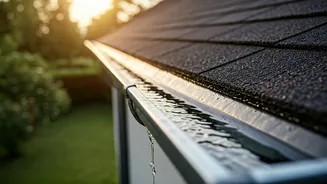
This is the single most important task for monsoon prep. Your gutter system is designed to channel a massive amount of water away from your home's foundation and roofline. During dry months, however, gutters collect leaves, dirt, and other debris, effectively
creating dams. When a monsoon storm hits, that clogged gutter will instantly overflow. Water can pour down your walls, pool around your foundation leading to cracks and structural damage, or even get pushed back up under your roof shingles, causing leaks in your attic and ceiling. Take an afternoon to clear them by hand or with a pressure washer. While you're at it, ensure your downspouts are aimed away from the house to discharge water at least five feet from your foundation.
2. Inspect Your Roof
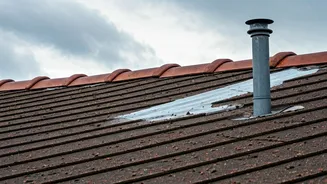
Your roof is your home's first line of defense against a torrential downpour. You don't need to be a professional roofer to do a basic visual inspection from the ground with binoculars, or carefully from a ladder if you are comfortable. Look for cracked, loose, or missing shingles or tiles. Pay close attention to the seals around vents, chimneys, and skylights, as these are common failure points. The flashing—the thin metal strips that direct water away from joints—can often come loose in high winds. A small, inexpensive repair to a loose shingle or a cracked seal in June can prevent a catastrophic leak and the resulting interior water damage and mold growth in August. If you see anything that concerns you, it's worth calling a roofer for a professional opinion before the storms arrive.
3. Tidy Your Yard and Trim Trees
Monsoon storms are notorious for their powerful microbursts—sudden, localized downdrafts that can produce winds exceeding 75 mph. In those conditions, unsecured yard items become dangerous projectiles. That patio umbrella, lightweight chair, or even your kid's trampoline can be lifted and thrown into a window, a car, or your neighbor's property. Before the season starts, designate a place to store these items. Similarly, inspect the trees on your property. Dead or weak branches hanging over your roof or power lines are a major liability. A professional arborist can identify and safely remove problem limbs, preventing them from crashing down and causing severe damage during a storm.
4. Check Seals on Windows and Doors
Wind-driven rain is relentless. It will find any gap or weak point in your home's exterior. Take a walk around your house and inspect the caulk and weatherstripping around your windows and doors. Over time, the sun's intense UV rays can cause these seals to become brittle and crack. If you see visible gaps or deteriorating material, it's a cheap and easy fix. A tube of exterior-grade caulk and a few hours of work can prevent water from being forced into your walls, where it can damage drywall, warp flooring, and lead to hidden mold problems that are expensive and difficult to remediate. A tight seal also has the year-round benefit of improving your home's energy efficiency.
5. Manage Drainage and Grading
When the rain comes down in sheets, you need it to flow away from your house, not toward it. This is a concept called 'positive drainage.' Walk around your foundation after a light rain or with a garden hose and see where the water goes. Does it pool in certain spots? If so, you may have a grading issue. The ground around your foundation should slope gently away from the house. Adding dense soil to low spots can often solve the problem. Also, make sure that any drainage grates in your yard are free of debris. For homes in low-lying areas, having a box of sandbags on hand is a smart, low-cost insurance policy against a sudden flash flood that could send water into your garage or under your doors.