






From Fitbits to Metabolic Fingerprints
While Americans have been strapping on Apple Watches and Fitbits for years, the sleep-tech scene exploding in India goes much deeper. This isn't just about counting steps and tracking basic sleep stages. The new wave of technology is about creating a holistic,
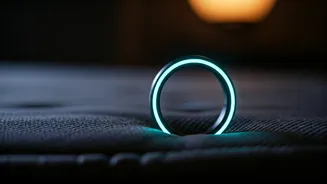
real-time picture of your body's internal state. The poster child for this movement is the smart ring. Companies like Bengaluru-based Ultrahuman have gained global attention for their sleek rings that monitor not just sleep, but heart rate variability (HRV), body temperature, and movement to deliver a comprehensive 'metabolic health' score. Unlike a wrist-worn device, a ring offers more accurate temperature and heart rate data from the arteries in the finger. This is the kind of granular, actionable data that’s turning sleep from a passive activity into a performance metric to be optimized.
India's 'Deep Tech' Wellness Boom
So, why India? The country is rapidly becoming a hub for what's known as 'deep tech'—startups built on substantial scientific and engineering innovation, not just clever software. A huge, tech-savvy population combined with a world-class engineering talent pool has created a fertile ground for companies building sophisticated hardware and AI platforms. Startups like The Sleep Company are moving beyond wearables entirely, developing smart mattresses with sensors that automatically adjust for posture and pressure points throughout the night. Others, like Wakefit, began as direct-to-consumer mattress companies but have pivoted hard into sleep research, establishing sleep labs and using AI to analyze customer data and offer personalized advice. These companies aren't just selling products; they're selling an ecosystem of continuous sleep improvement, often powered by a subscription model that provides ongoing coaching and insights.
The Problem They Are Solving
This technological boom isn't happening in a vacuum. It's a direct response to a growing public health crisis in urban India. As the economy has modernized, so have the pressures. Long commutes, high-stress jobs in the tech and finance sectors, and increased screen time have wreaked havoc on the nation's sleep patterns. A 2019 study found that a staggering percentage of Indians were sleeping less than six hours a night, with many reporting symptoms of insomnia. For a rapidly growing middle and upper-middle class, health is the new wealth. They have the disposable income and the motivation to invest in solutions. Quantifying sleep provides a sense of control in a chaotic world. Seeing your 'readiness score' improve on an app feels like a tangible win, a way to fight back against the burnout culture that’s become all too common in cities like Mumbai, Delhi, and Bengaluru.
More Than Just Data Dumps
The smartest companies in this space understand that data alone is useless. No one wants to wake up to a spreadsheet of their heart rate fluctuations. The real innovation lies in the interpretation. The companion apps for these devices are becoming sophisticated AI-driven coaches. They correlate your sleep data with your logged meals, workouts, and even your calendar to provide specific, actionable advice. For example, an app might notice your deep sleep suffers on days you have late-afternoon coffee and suggest a change. It might see your body temperature is too high at night and recommend adjusting your thermostat. This is the endgame: creating a closed-loop system where your environment and habits are constantly fine-tuned based on real-time biometric feedback. It’s a shift from passive tracking to active, intelligent intervention, a promise that technology can finally deliver the one thing we all crave: a good night's sleep.