


The Burnout of the Microtrend
If your social media feeds feel like a dizzying, non-stop fashion show, you’re not alone. We’ve been living through the era of the microtrend, an accelerated cycle powered by platforms like TikTok, where a new “aesthetic” is born, goes viral, and dies
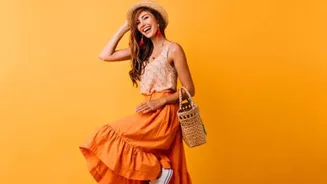
in the span of a few weeks. Remember the “tomato girl” summer, the brief reign of “blokecore,” or the sudden pivot to “eclectic grandpa”? Each came with a shopping list: a specific type of sneaker, a certain shade of red, a particular cut of jeans. Keeping up isn't just expensive; it's emotionally exhausting. This constant pressure to adopt and discard identities has created a new kind of fatigue. The closet full of once-loved, now-cringey items is a monument to the churn. Consumers are beginning to realize that dressing like a new character every month isn't liberating—it’s a trap, designed to make you buy, buy, buy.
Minimalism’s New Meaning
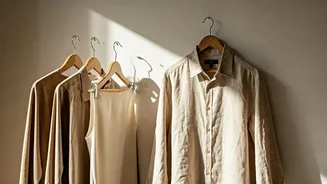
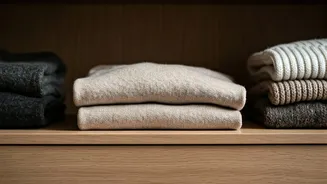
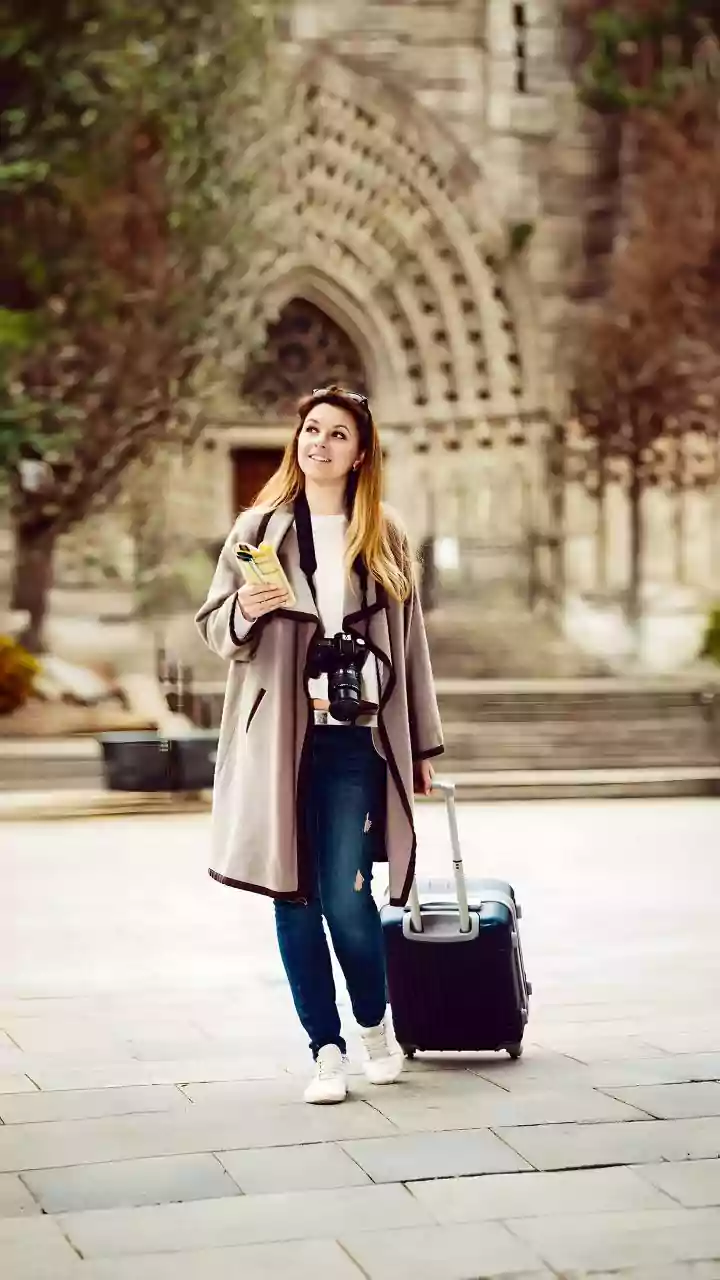
When you hear “minimalism,” you might picture a sterile, all-white room or a closet with exactly ten black and grey items. But the minimalism gaining traction today is different. It’s not about deprivation; it’s about intention. This isn't the cold, architectural minimalism of the 2010s. It’s warmer, more personal, and deeply rooted in the idea of a “forever wardrobe.” Think less about having nothing and more about having only what you truly love and what truly lasts. It’s the perfect pair of blue jeans that fits just right, a beautifully made trench coat you’ll wear for a decade, a simple, elegant piece of jewelry that goes with everything. This new wave is often called “quiet luxury,” but you don’t need a luxury budget to participate. The philosophy is about investing in quality over quantity, timelessness over trendiness, and personal style over costume.
A Quiet Rebellion Against 'More'
The return to minimalism is more than just a style preference; it's a quiet rebellion. It’s a reaction against the unsustainable practices of the ultra-fast fashion industry, which thrives on the microtrend cycle. By choosing pieces that last, we’re casting a vote for better manufacturing and less waste. There's also an economic driver. In uncertain times, spending money on a flimsy top that will feel dated by next month seems foolish. A high-quality, versatile piece feels like a smarter, safer investment. Beyond the practical, there's a psychological benefit. Curating a wardrobe of reliable, well-loved items removes the daily stress of decision-making. It’s a form of digital detox for your closet, freeing you from the algorithm’s endless demands and allowing you to reconnect with what you actually like, independent of what’s trending.
Finding Your Personal Uniform
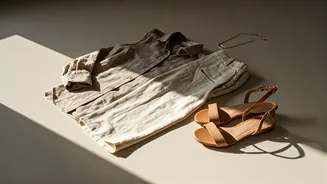
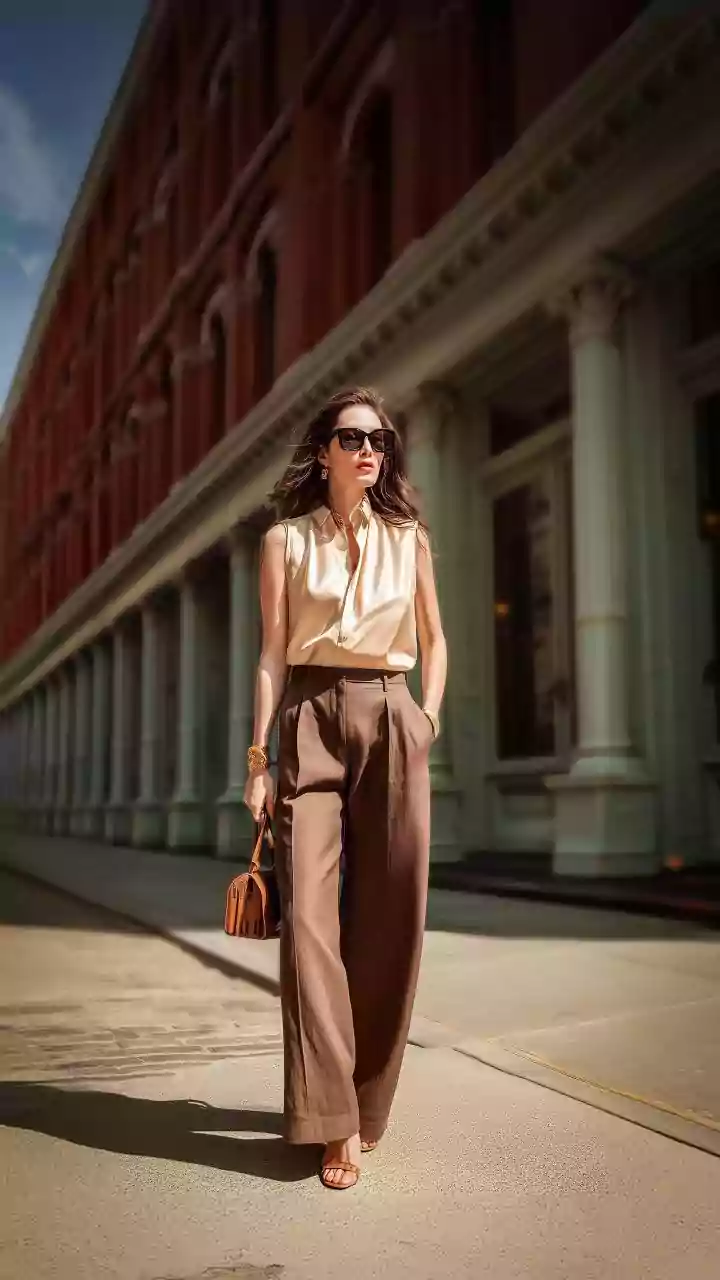
Embracing this ethos means shifting your mindset from “What’s new?” to “What’s me?” It’s about identifying your personal uniform—the silhouettes, colors, and fabrics that make you feel confident and comfortable. This doesn’t mean wearing the exact same thing every day (unless you want to). It means building a core collection of pieces that work together seamlessly, forming a reliable foundation that you can accent and adapt. For some, it might be a uniform of straight-leg denim, cashmere sweaters, and classic loafers. For others, it could be tailored trousers, silk blouses, and a signature accessory. The point isn't to follow a new set of rules, but to create your own. This process of discovery is the opposite of chasing microtrends. It’s slow, deliberate, and ultimately, far more rewarding.