
Beyond the Buffet Line
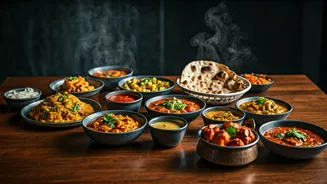
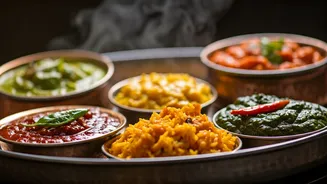
Let’s be honest: for many Americans, “Indian food” has long been a monolith. It was the all-you-can-eat lunch buffet, a comforting but narrow window into one of the world's most diverse cuisines. The menu rarely strayed from a greatest-hits collection
of Punjabi dishes—creamy kormas, saag paneer, and tandoori chicken—all expertly calibrated to please a Western palate that was, for a time, assumed to be shy of real heat and unfamiliar textures. These restaurants, often run by hardworking first-generation immigrants, served a vital purpose. They were ambassadors, creating a culinary foothold and introducing millions to a taste of India, even if it was a simplified, softened-for-export version. There was nothing wrong with it, but it was like judging all of American music by listening only to Top 40 radio. You’re missing the funk, the soul, the regional blues, and the experimental indie rock.
The Unapologetic Generation
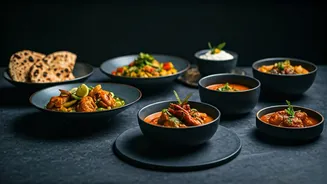
Enter the remix artists. A new wave of Indian-American chefs and restaurateurs, many of them second-generation, are rewriting the menu. They grew up navigating two cultures, and their food reflects that fluency. They aren’t interested in apologizing for pungent spices, intense heat, or unfamiliar ingredients. Instead, they’re celebrating them. Groups like Unapologetic Foods, led by restaurateur Roni Mazumdar and chef Chintan Pandya, have become the poster children for this movement with New York City restaurants like Dhamaka and Adda. Their philosophy is built on showcasing what they call “the other side of India”—the provincial, the rustic, and the unabashedly authentic dishes you’d find in homes and on roadsides, not in a typical export-friendly kitchen. This isn't about conforming; it’s about commanding attention with the confidence of knowing your product is exceptional, not in spite of its specificity, but because of it.
What the 'Remix' Really Means
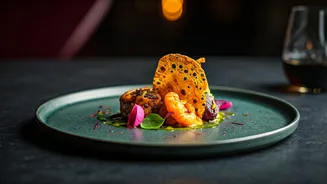
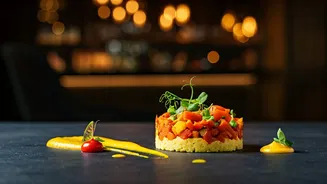
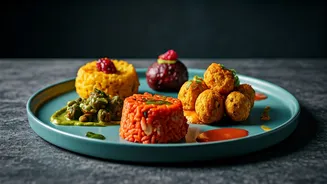
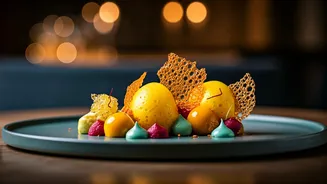
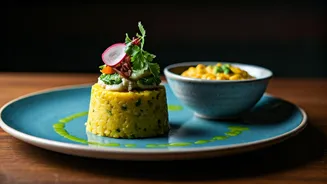
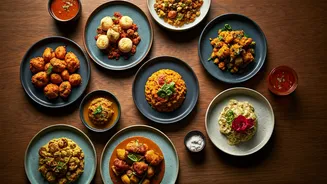
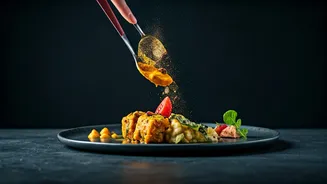
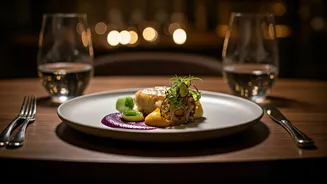
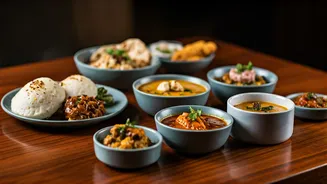
So, what does this “remix” look like on a plate? It’s not just about chaotic fusion, like a curry-flavored pizza (though that exists). It’s a more nuanced and exciting evolution that takes a few different forms. First, there’s the hyper-regional deep dive. Instead of “Indian curry,” you’ll find a Goan fish head curry, a fiery Rajasthani goat dish, or a delicate Bengali mustard-laced preparation. Second, there's the application of modern techniques to traditional flavors. Think of a classic chaat, but deconstructed with foams, gels, and surprising textures that amplify the iconic sweet-sour-spicy-crunchy experience. Finally, there's the deeply personal remix—the dish that tells a story of a chef's own identity. This might be a slider version of Mumbai's iconic vada pav, a biryani arancini, or a cocktail infused with turmeric and cardamom. It’s a playful but reverent nod to heritage, filtered through a modern American lens.
A Sign of Cultural Confidence
This culinary shift is about much more than just food. It’s a powerful indicator of a second-generation cultural confidence. The children of immigrants no longer feel the primary burden is to assimilate and explain; instead, they feel empowered to define and create. They have a deep understanding of both the culture their parents came from and the one they grew up in, and they can code-switch between them effortlessly. This fluency allows them to be both insiders and outsiders, giving them a unique perspective to innovate. They’re not rejecting tradition; they’re engaging with it on their own terms. Serving an assertive, funky, and unapologetically bold dish is a statement. It says: “We’re here. We are complex. Our culture is not a monolith. And you’re going to love it.”