





The Myth of 'Pushing Through'
In American fitness culture, we often celebrate the grind. The ‘no days off’ mentality is worn as a badge of honor. When a heat advisory flashes on your phone, it can feel like a challenge—a test of your mental fortitude. But exercising in extreme heat isn’t
a battle of wills you can win through sheer grit. It’s a physiological battle against your own body’s limits, and losing can have devastating consequences. Pushing through a 95-degree run with high humidity isn’t a sign of elite discipline; it’s a gamble with your health. The most disciplined athletes aren’t the ones who end up in the emergency room with heatstroke. They are the ones who show up, day after day, year after year, because they respect their body’s limits and train intelligently.
What Extreme Heat Does to Your Body
To understand the risk, you need to know what’s happening internally. Your body is a finely tuned machine that works best within a narrow temperature range. When you exercise, your muscles generate heat, and your core temperature rises. Your body’s primary cooling mechanism is sweating. As sweat evaporates, it cools your skin. But when it's extremely hot and humid, this system breaks down. High humidity prevents sweat from evaporating effectively, essentially disabling your natural air conditioning. Your core temperature continues to climb. To compensate, your body sends more blood to the skin to try to radiate heat away. This means less blood is available for your muscles, which reduces your performance and forces your heart to work much harder to pump blood everywhere it needs to go. This cascade of events puts immense strain on your cardiovascular system and can quickly lead to dangerous conditions.
The Difference Between Exhaustion and Emergency
It’s crucial to recognize the warning signs before it’s too late. The two main heat-related illnesses to watch for are heat exhaustion and heatstroke. **Heat Exhaustion** is your body's alarm bell. Symptoms include heavy sweating, cold and clammy skin, a fast but weak pulse, nausea, dizziness, headache, and weakness. If you feel these signs, stop all activity immediately. Move to a cooler place, sip water, and loosen your clothing. This is a serious warning that you need to cool down *now*. **Heatstroke** is a life-threatening emergency. This occurs when your body’s cooling system completely fails, and your core temperature can rise to 104°F or higher. The hallmark sign is a change in mental state, such as confusion, slurred speech, or loss of consciousness. The skin may be hot and dry (no longer sweating) or hot and moist. The pulse will be fast and strong. This is not something you can ‘walk off.’ It’s a 911 call, every time. Delaying medical treatment can lead to permanent disability or death.
Redefine Discipline: Train Smarter, Not Harder
True athletic discipline isn't about blindly sticking to a schedule. It’s about adapting to conditions to achieve long-term goals. On a dangerously hot day, the most disciplined choice isn’t to force your planned five-mile run. The disciplined choice is to protect your ability to train tomorrow, next week, and next year. Smart discipline looks like this: - **Checking the forecast:** Before you even put on your sneakers, look at the temperature, humidity, and 'feels like' index. - **Listening to your body:** If you feel 'off,' dizzy, or unusually fatigued, that’s data. Use it. - **Having a backup plan:** A truly disciplined person has a Plan B, C, and D. The goal is the work, not the specific location or time.
Your Action Plan for Hot Days
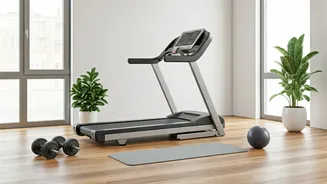
Instead of risking it, pivot. Your workout doesn’t have to be canceled, just modified. Consider these alternatives: 1. **Go Early or Go Late:** Shift your workout to the coolest parts of the day—typically before sunrise or well after sunset. 2. **Take It Indoors:** This is the perfect day for a gym session, a YouTube fitness video in your air-conditioned living room, or a visit to a climbing gym. The environment is controlled, and the risk is minimized. 3. **Change the Activity:** Swap your high-intensity run for a swim. Water keeps you cool while still providing a fantastic cardiovascular and full-body workout. 4. **Reduce Intensity and Duration:** If you must exercise outside, significantly scale back your expectations. Go for a brisk walk instead of a run, cut your workout time in half, and take frequent water and shade breaks. 5. **Embrace the Rest Day:** Sometimes, the smartest move is to take a strategic rest day. Your body builds muscle and endurance during recovery, not just during the workout itself. Using a dangerously hot day for recovery is a sign of a mature, intelligent athlete.