
Beyond the Buffet Line
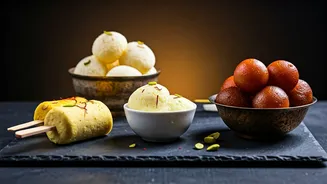
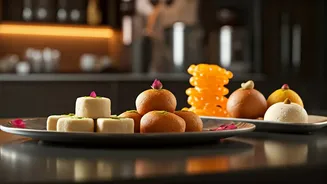
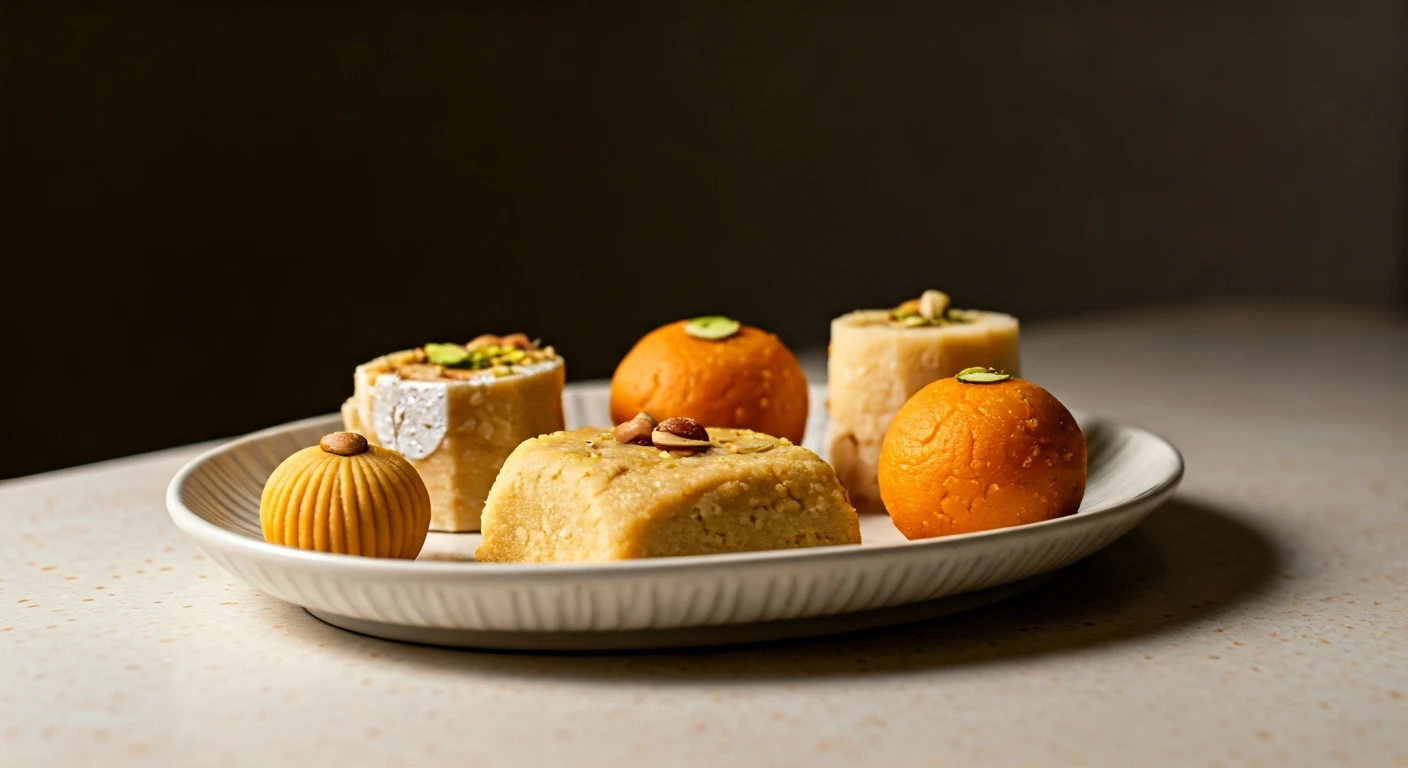
For many Americans, the experience of Indian dessert, or *mithai*, has long been confined to a predictable, one-note encounter. It was the small, syrupy orb of gulab jamun floating in a steam tray at the end of a buffet line, or a scoop of mango ice cream
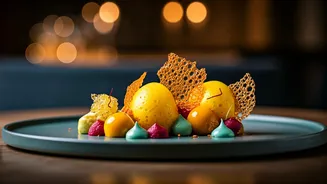
offered as a mild, safe finale to a spicy meal. These were often delicious but rarely felt like the main event. They were culinary afterthoughts, designed more for comfort and tradition than for excitement or innovation. But that narrative is changing, and quickly. Across the country, in upscale dining rooms and trendy neighborhood spots, a culinary renaissance is under way. Indian desserts are shedding their humble reputation and stepping into the spotlight with newfound confidence. This isn't about simply serving traditional sweets; it's about reinterpreting them with the precision of a pastry chef and the soul of a storyteller.
The Deconstructionist's Toolkit
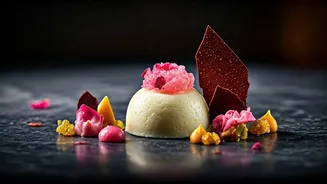
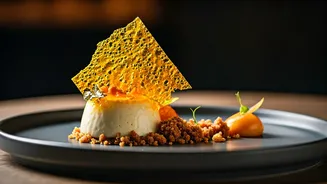
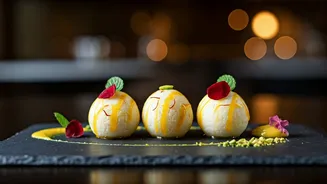
The secret to this new swagger lies in the fusion of traditional flavors with contemporary Western pastry techniques. Chefs are deconstructing beloved classics and reassembling them in surprising and delightful forms. Imagine the earthy, sweet flavor of *gajar ka halwa* (carrot pudding) but instead of a warm, soft mound, it’s the spiced filling in a delicate tart with a cardamom-scented crust. Or picture the creamy, saffron-infused milk of *ras malai* reimagined as a silky panna cotta, wobbly and elegant, garnished with pistachio dust and rose petals. This approach respects the original flavor profiles while elevating the texture and presentation. Gulab jamun, the quintessential syrupy doughnut hole, is being reborn as a filling for gourmet doughnuts, infused into cheesecakes, or even used as the base for a sophisticated bread pudding. Kulfi, the dense, traditional Indian ice cream, is appearing in new flavors like avocado or salted caramel, served not on a stick but as a beautifully plated quenelle. It’s a creative dialogue between past and present, where familiar comfort is delivered with a jolt of modern artistry.
A Story of Cultural Confidence
This trend is more than just culinary experimentation; it’s a powerful statement of cultural confidence. It’s being driven by a new generation of Indian-American chefs and restaurateurs who grew up with these flavors. They no longer feel the need to cater exclusively to a Western palate by watering down spices or sticking to a handful of familiar dishes. Instead, they are celebrating their heritage with an “unapologetic” approach, a term popularized by restaurateurs like Roni Mazumdar and Chintan Pandya of New York’s famed Dhamaka. This confidence allows them to play, to innovate, and to challenge expectations. They are treating the spices of their childhood—cardamom, saffron, rosewater, clove—with the same reverence a French pastry chef might afford vanilla bean or high-quality chocolate. By doing so, they are not just making delicious desserts; they are expanding the American definition of what a “fancy” dessert can be. They are proving that the complex, aromatic, and deeply satisfying flavors of the Indian subcontinent deserve a place at the center of the plate.
The New Sweet Landscape
This movement isn’t isolated to a few fine-dining establishments in New York or Los Angeles. Its influence is spreading. You might find a rose-and-pistachio tres leches cake at a modern bistro, a chai-spiced crème brûlée on a gastropub menu, or a boutique ice cream shop offering a seasonal Jalebi & Sweet Cream flavor. The swagger is contagious. These creations invite diners to experience something both new and familiar. For those who grew up with these sweets, it’s a thrill to see them celebrated and reimagined. For those new to the flavors, it’s an accessible and exciting entry point into the rich world of Indian cuisine. These desserts are not just a sweet ending to a meal; they are conversation starters, acting as delicious ambassadors for a cuisine that is finally being seen in its full, dynamic glory.