



First, What Is Gut Health?
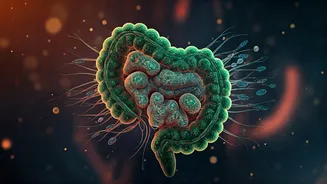
Before we dive into the food, let's quickly demystify the concept of 'gut health.' Your digestive tract is home to trillions of microorganisms, including bacteria, fungi, and viruses, collectively known as your gut microbiome. This internal ecosystem
is incredibly important, playing a role in everything from digestion and nutrient absorption to mood regulation and, crucially, immune function. A healthy gut is characterized by a diverse and balanced population of these microbes. When the 'good' bacteria are thriving, they help keep the 'bad' bacteria in check, forming a strong frontline defense for your body. The goal isn't to sterilize your gut, but to cultivate a rich, diverse garden of beneficial microbes.
The Classics: Yogurt and Kefir
Yogurt is the poster child for probiotics, and for good reason. This fermented dairy product is packed with beneficial bacteria like Lactobacillus and Bifidobacterium. When shopping, look for labels that say 'live and active cultures' to ensure you're getting the good stuff. Plain, unsweetened Greek yogurt is a versatile powerhouse. Kefir, yogurt’s tangier, drinkable cousin, is another fantastic option. It's often even more potent, containing a wider variety of bacteria and beneficial yeasts. You can drink it straight, blend it into smoothies, or use it as a base for salad dressings. Both are excellent, easy-to-find starting points for boosting your probiotic intake.
Fermented Veggies: Kimchi and Sauerkraut
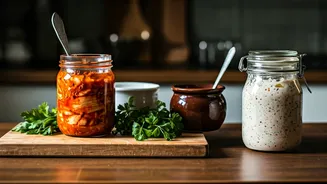
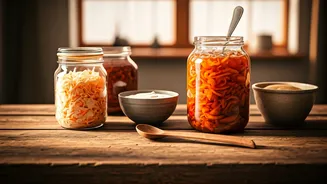
Think beyond the ballpark hot dog. Traditional sauerkraut—fermented cabbage—is a crunchy, savory source of probiotics. Similarly, kimchi, a staple of Korean cuisine, is a spicy, pungent mix of fermented vegetables, usually napa cabbage and Korean radish, seasoned with gochugaru (chili powder), garlic, and ginger. Both of these foods are created through lacto-fermentation, a process where natural bacteria feed on the sugar and starch in the food, creating lactic acid. This not only preserves the vegetables but also creates a wealth of beneficial enzymes and probiotics. For the biggest benefit, buy refrigerated, unpasteurized versions, as shelf-stable products have been heat-treated, which kills the live cultures.
The Fizzy Favorite: Kombucha
Kombucha has exploded in popularity, and its fizzy, slightly sweet-tart flavor makes it a popular alternative to soda. It's made by fermenting sweetened black or green tea with a symbiotic culture of bacteria and yeast (SCOBY). The result is a beverage containing several species of lactic-acid bacteria. While it can be a great addition to your routine, be a mindful consumer. Many commercial brands are loaded with added sugar to make them more palatable, which can counteract some of the health benefits. Check the label and opt for brands with less than 5-10 grams of sugar per serving to get the probiotic punch without the sugar crash.
Soy-Based Powerhouses: Miso and Tempeh
Fermented soy products offer a fantastic, plant-based way to get your probiotics. Miso is a traditional Japanese seasoning produced by fermenting soybeans with salt and koji (a type of fungus). This rich, salty paste is the key to an amazing bowl of miso soup but can also be used in marinades, glazes, and dressings. Tempeh, originating from Indonesia, is made from fermented soybeans formed into a firm block. Its nutty flavor and dense texture make it an excellent meat substitute that absorbs marinades well. Both provide a healthy dose of probiotics alongside plant-based protein and other essential nutrients.
Don’t Forget the Prebiotics
Probiotics are living organisms; like all living things, they need to eat. That's where prebiotics come in. Prebiotics are types of dietary fiber that feed the friendly bacteria in your gut. Think of them as fertilizer for your internal garden. Without them, probiotics can't thrive and do their job effectively. Luckily, prebiotic foods are common and delicious. Great sources include garlic, onions, leeks, asparagus, bananas (especially when they're still slightly green), and whole oats. By pairing probiotic-rich foods with prebiotic-rich foods—like adding sliced bananas to your yogurt—you create a 'synbiotic' effect, maximizing the benefits for your gut health.