





More Than Just a Good Night's Sleep
So, what exactly is a 'sleep holiday'? It’s not just about catching a few extra naps by the pool. This is intentional, structured travel where the primary goal is to reset your sleep cycle and recharge your mind and body. Think of it as a wellness retreat,
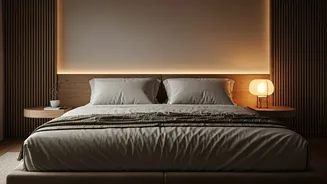
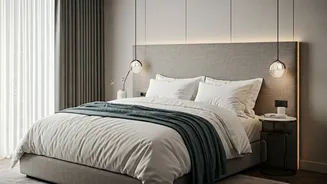
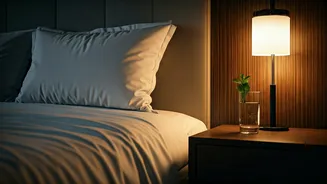
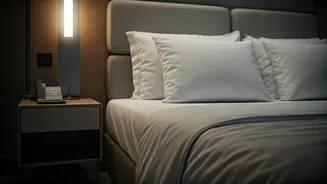
but instead of focusing on fitness or diet, the entire experience is engineered for optimal slumber. Hotels and resorts are tapping into this by offering dedicated 'sleep programs' that go far beyond a mint on the pillow. These packages might include everything from pillow menus with dozens of options and weighted blankets to rooms equipped with advanced soundproofing, blackout curtains, and temperature-regulating mattresses. The focus is on creating a perfect sleep sanctuary, free from the distractions of everyday life.
A Remedy for the 'Always-On' Life
The rise of sleep tourism isn't happening in a vacuum. It’s a direct response to a culture of burnout. In a world of endless notifications, constant connectivity, and the pressure to be productive 24/7, genuine rest has become the ultimate luxury. Many Americans return from traditional vacations feeling more exhausted than when they left, having succumbed to 'experience FOMO'—the fear of missing out on sightseeing, activities, and photo opportunities. A sleep holiday is a quiet rebellion against this mindset. It acknowledges that the most valuable experience might be doing nothing at all. It’s for the professional who can’t switch off their work brain, the parent depleted by a relentless schedule, and anyone who feels chronically overstimulated and underslept. The demand isn't just for a comfortable bed; it's for permission to truly disconnect and recover.
The Anatomy of a Restorative Retreat
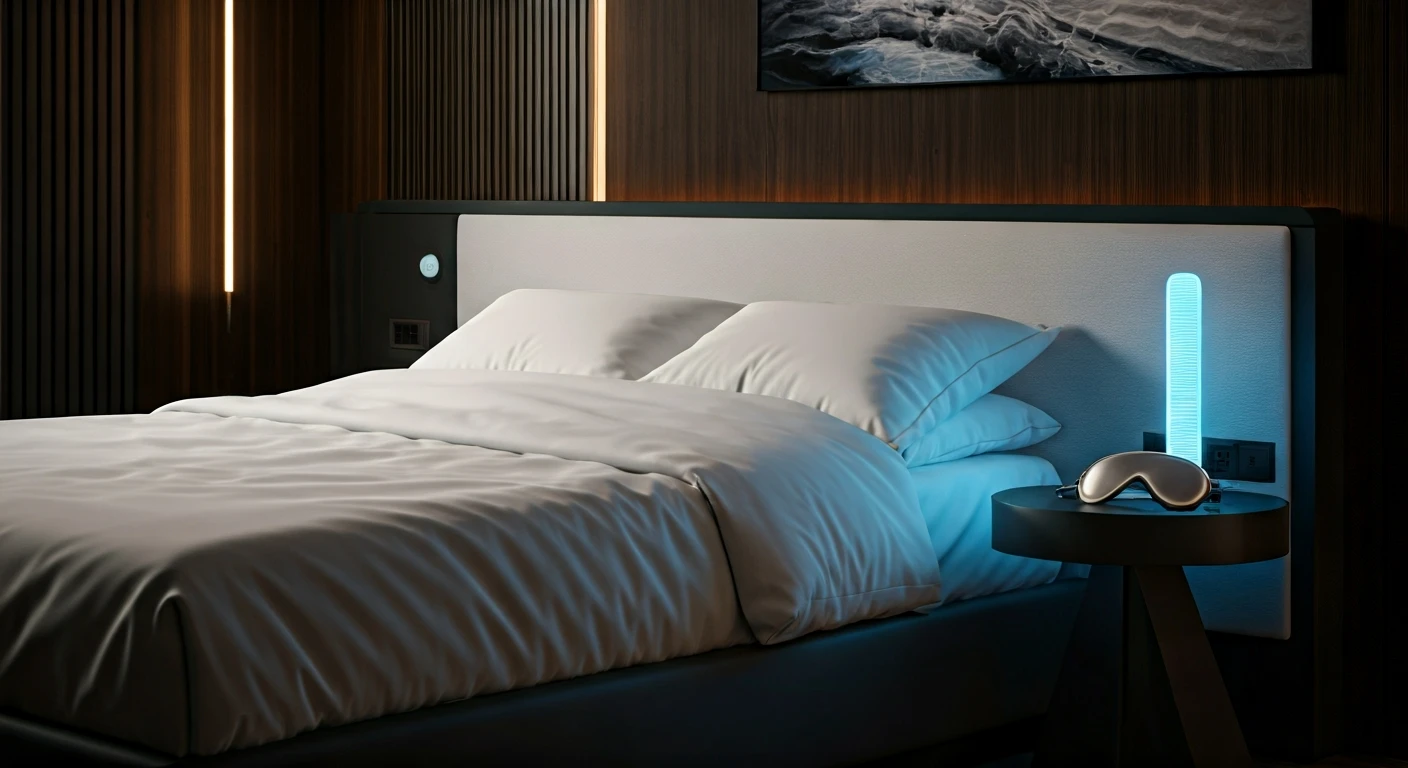
A dedicated sleep holiday elevates rest to a science. Upon arrival, you might be offered sleep-inducing teas or a consultation with a wellness expert. Your room becomes a high-tech cocoon designed to eliminate disturbances. Some hotels offer access to guided meditation apps, calming aromatherapy diffusers, and even on-site 'sleep coaches' who can help analyze your sleep patterns and offer personalized advice. The amenities are thoughtful and specific: think circadian rhythm lighting that mimics natural daylight cycles, dedicated quiet floors, or even packages that include relaxing spa treatments like massages timed to prepare the body for sleep. Some locations, like the Zedwell Hotel in London, are designed from the ground up for this purpose, with windowless rooms and an absence of distracting TVs. Major chains like Hyatt and Rosewood have also introduced their own sleep-centric programs, signaling that this is more than just a niche trend.
Is It Worth the Investment?
Naturally, there's a degree of skepticism. Is paying a premium for a 'sleep-enhanced' room just a gimmick? For some, perhaps. But for those struggling with chronic sleep deprivation, the value proposition is clear. It’s an investment in your health, similar to joining a gym or hiring a personal trainer. These trips are less about indulgence and more about intervention. They provide a controlled environment to break bad habits—like late-night screen time—and learn better sleep hygiene that can be implemented back home. While some luxury sleep packages can be pricey, the principles can be applied to any trip. You can create a 'DIY' sleep holiday by choosing a quiet hotel, packing an eye mask and earplugs, committing to a digital detox in the evenings, and consciously deciding to prioritize rest over a packed schedule. The core idea is accessible to everyone: making sleep the main event, not an afterthought.