







More Than Just 'Healthy'
So, what exactly is “values-led nutrition”? Think of it as the food equivalent of conscious consumerism. For a growing number of young Indians, the story behind their food is becoming as important as the flavor. This isn't just about swapping white rice
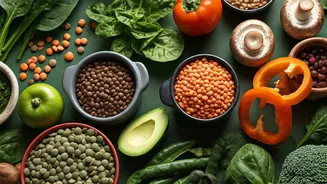
for brown or cutting down on fried snacks. It’s a holistic approach where the nutritional panel is only one part of the equation. The 'values' here encompass a wide spectrum: animal welfare, leading many to explore veganism in a country already rich with vegetarian tradition; environmental sustainability, which fuels demand for locally sourced produce and reduced food miles; and social ethics, favoring brands that offer transparent supply chains and fair labor practices. It’s a shift from food as mere fuel to food as an identity statement—one that says, “I care about my body, my community, and my planet.”
Meet the New Indian Consumer
The engine of this change is India’s massive population of millennials and Gen Z. Unlike previous generations, they grew up in a liberalized, globalized economy and are digital natives. Their smartphones are windows to global trends, from a Los Angeles wellness influencer’s smoothie bowl to a Berlin startup’s plant-based bratwurst. They have more disposable income, travel more, and are less bound by rigid culinary traditions. This demographic is questioning everything, and their food choices are no exception. For them, a meal is an experience to be curated, photographed, and shared on Instagram. That visual, story-driven culture naturally favors food that looks good and *does* good. A beautifully plated dish made with organic, farm-fresh ingredients tells a much better story than a generic, mass-produced alternative. This isn’t a fringe movement; it’s the leading edge of a powerful consumer block in the world’s most populous country.
A Modern Twist on Ancient Traditions
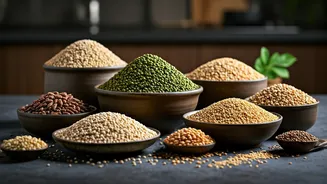
It’s tempting to say, “But isn’t India already largely vegetarian?” Yes, but this new wave is different. Traditional Indian vegetarianism is often rooted in religion (Jainism, Hinduism) and community norms. The modern plant-based movement, however, is driven by individual choice, informed by global discourses on health, ethics, and climate change. It’s the difference between not eating meat because your family has done so for generations and choosing a soy-based milk for your coffee after watching a documentary on industrial dairy farming. This new movement doesn't reject tradition so much as it reinterprets it. Ancient grains like millet and amaranth, once seen as rural or old-fashioned, are being rebranded as superfoods. Ayurvedic principles are being fused with modern nutritional science. It’s a uniquely Indian synthesis: a embrace of global wellness culture without abandoning local roots.
How the Market is Responding
Where young consumers lead, businesses follow. India’s food and beverage industry is scrambling to keep up. A new ecosystem of startups is emerging, offering everything from plant-based mock meats that mimic traditional chicken and mutton dishes to artisanal cheese made from cashews. Major food companies are launching “clean label” products, free from artificial ingredients and preservatives. Urban cafes in cities like Mumbai, Bangalore, and Delhi now prominently feature vegan, gluten-free, and organic options on their menus. Online grocers have dedicated sections for organic produce and health foods. This isn't just a niche phenomenon for the ultra-wealthy anymore. As production scales and awareness grows, values-led products are becoming more accessible and are starting to influence the mainstream market in significant ways. It's a clear signal that for businesses, ignoring this trend is no longer an option.