




The Rush of a Compressed Spring
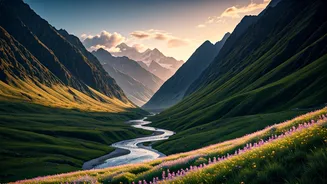
In the high-altitude environments of the Rocky Mountains, the Sierras, and the Cascades, winter holds on tight. Snowpacks that measure in feet, not inches, can linger on trails and north-facing slopes well into June. But as the powerful sun of early summer
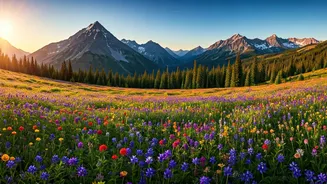
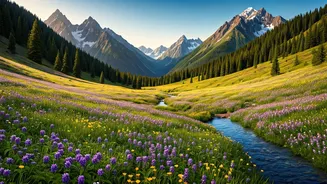
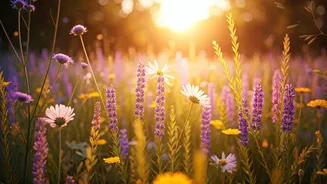
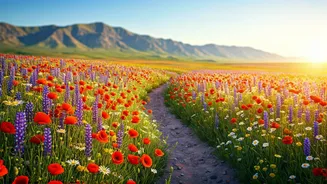
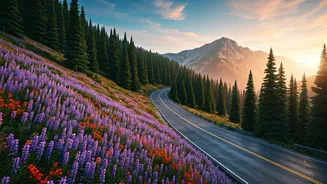
finally wins the battle, it triggers a breathtaking phenomenon: a compressed spring. While lowland regions experience a gentle, months-long transition, the alpine world explodes from white to green to a riot of color in a matter of weeks. The first flowers to emerge are often the hardiest, pushing up through the last patches of snow. This is the “bloom magic” that early-season trekkers get to witness—a vibrant, urgent burst of life that late-summer visitors completely miss. It’s a reward reserved for those who don’t mind a little mud on their boots and the possibility of a surprise snowfield crossing.
Colorado: The Wildflower Capital Awakens
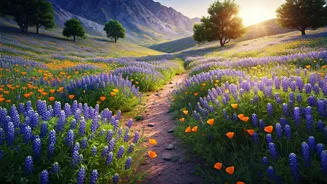
Crested Butte, Colorado, proudly calls itself the “Wildflower Capital of Colorado,” and for good reason. While its famous week-long festival takes place in July, the show truly begins in June. As the lower-elevation trails around town begin to clear, hikers are greeted by sunny fields of arrowleaf balsamroot and the delicate purple of larkspur. Hikes along Brush Creek or the Lower Loop Trail offer accessible early-season beauty. For the more adventurous, a trek up portions of the Gothic Valley reveals the first signs of what’s to come at higher elevations. This is where June hikers have the edge. They see the landscape in a state of rapid, dramatic transformation, witnessing the very first columbines—Colorado’s state flower—unfurl their intricate blue and white petals. You aren’t just seeing flowers; you’re seeing the landscape wake up in real time.
Washington: Paradise Unveiled
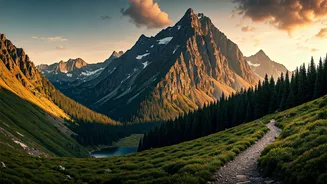
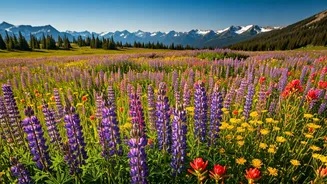
In the Pacific Northwest, Mount Rainier National Park is the undisputed king of wildflower season. The subalpine meadows of the Paradise area are world-famous, but they don’t just switch on. They melt. In June, as plows work to clear the final stretches of the road to Paradise (typically open by late May or early June), hikers gain access to a world in transition. The first flowers to appear are the iconic avalanche lilies, whose white and yellow heads poke directly through the melting snow, often creating a stunning carpet at the snow's receding edge. They are soon joined by fields of magenta paintbrush and the deep blues and purples of lupine. A hike on the Skyline Trail in June might mean navigating some snow, but the payoff is immense: dramatic views of the glaciated volcano framed by a mosaic of snowfields and brilliant, freshly bloomed flowers, a sight that has vanished by the time the peak-season crowds arrive in August.
Know Before You Go
Chasing the early bloom requires a bit more planning than a mid-summer hike. First, always check trail and road conditions. National Park and Forest Service websites are your best friends; a trail that’s clear one year might be under five feet of snow the next. Second, be prepared for anything. High-altitude weather in June is notoriously fickle, with sunny skies turning to thunderstorms or even snow flurries in an instant. Dress in layers, carry waterproof gear, and don’t skimp on sun protection—the sun is intense at elevation. Finally, practice Leave No Trace principles with religious zeal. These alpine meadows are incredibly fragile. Stick to the trails, even if it means walking through a patch of mud or snow, to avoid trampling the very magic you came to see. The flowers are for everyone to enjoy, and it’s our job to ensure they return year after year.