
India’s Alpine Secret
When Americans picture hiking in the Himalayas, the mind immediately conjures images of treacherous climbs, ice axes, and expeditions to Everest in Nepal. But nestled in the Garhwal region of Uttarakhand, India, lies Auli—a destination that flips the script.
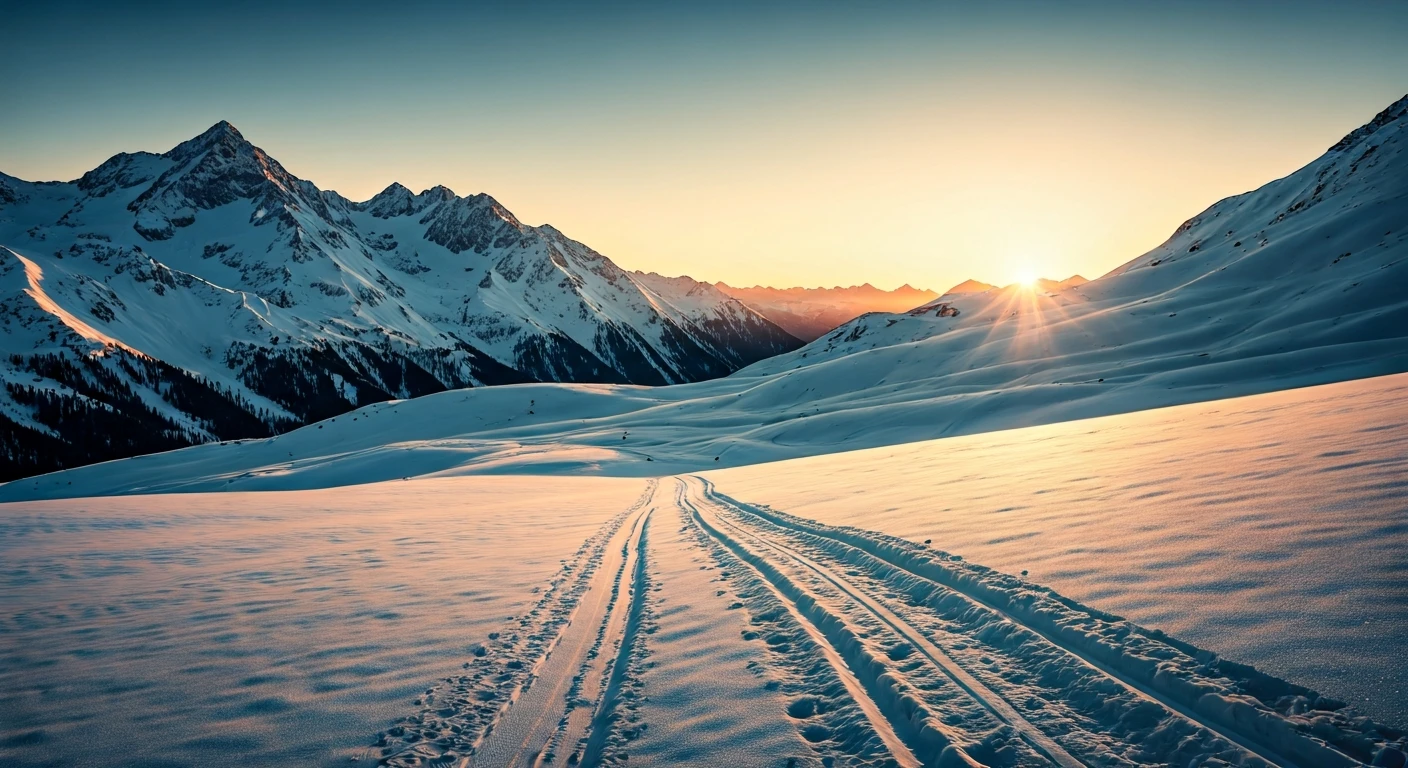
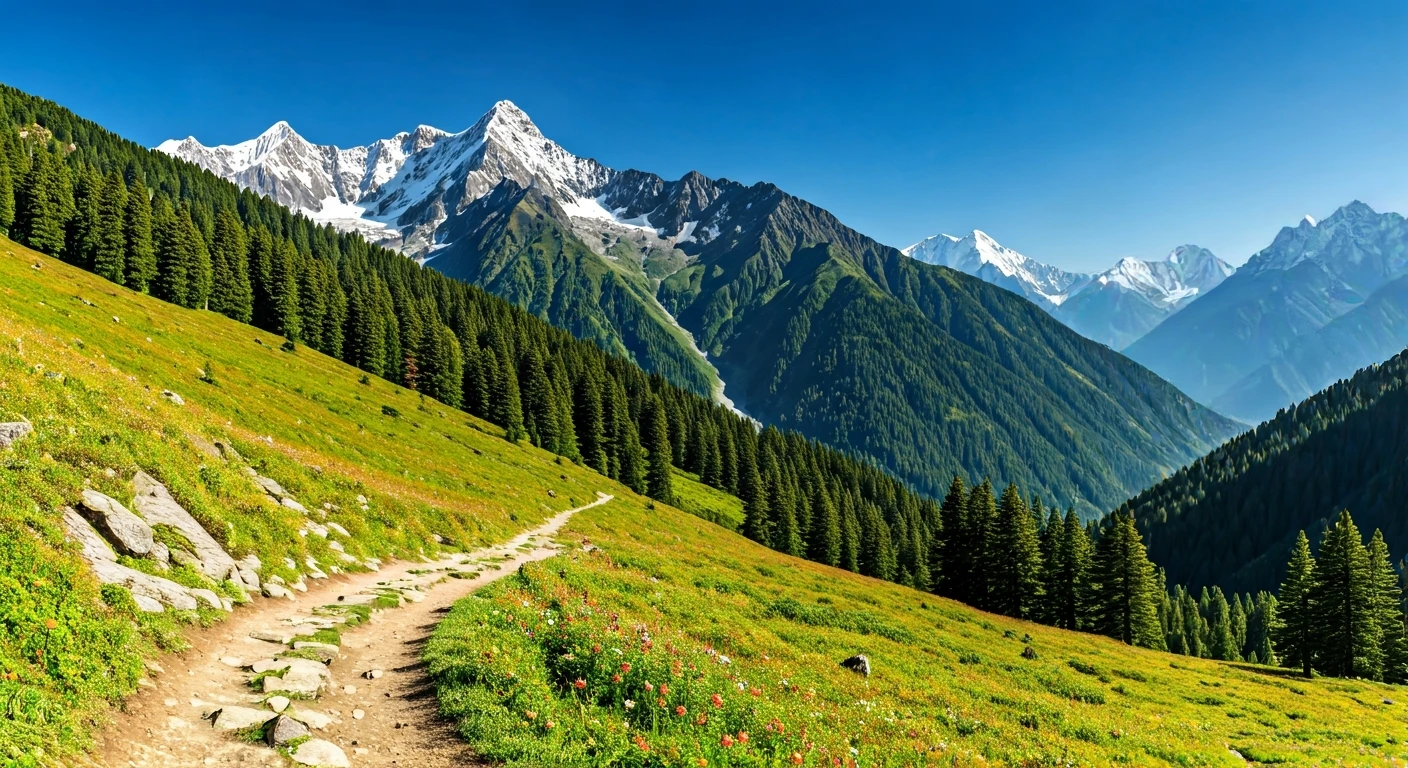
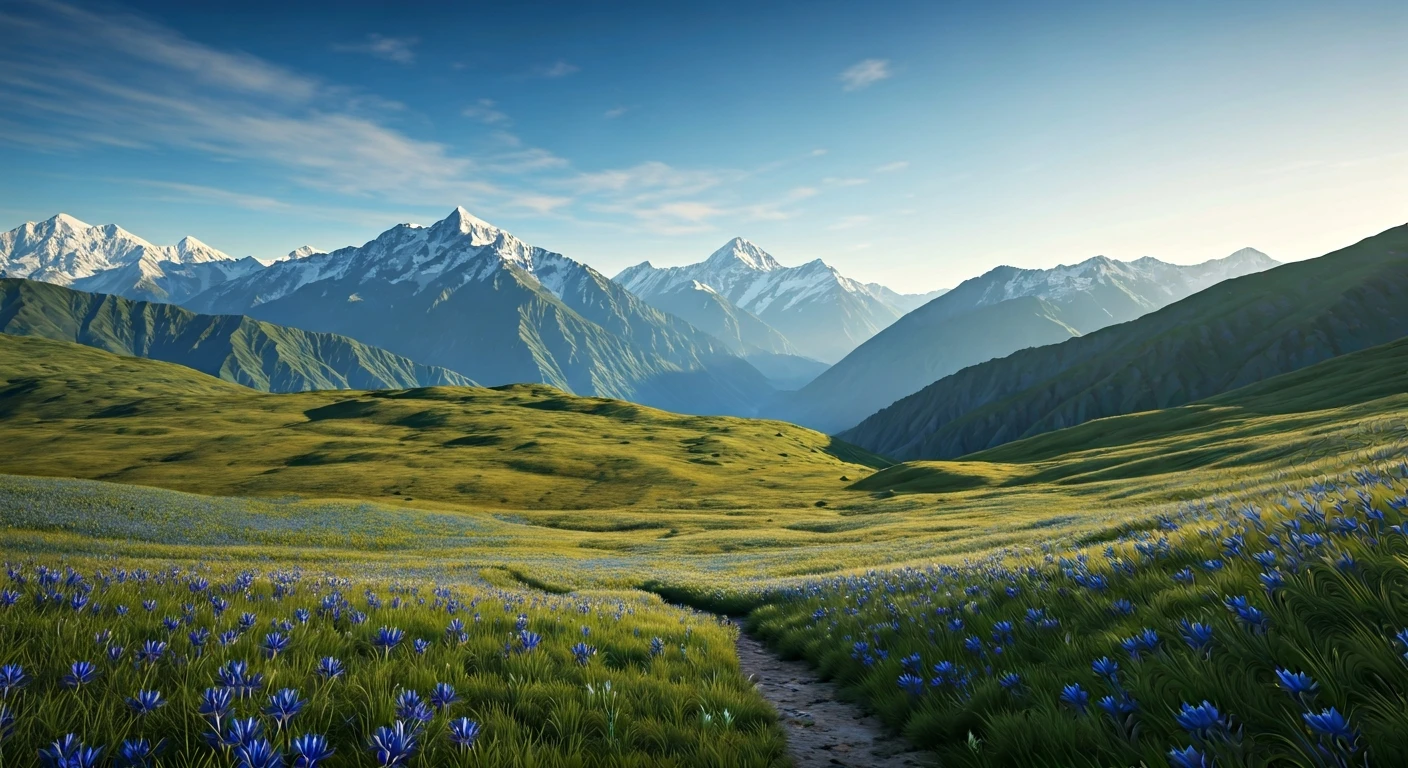
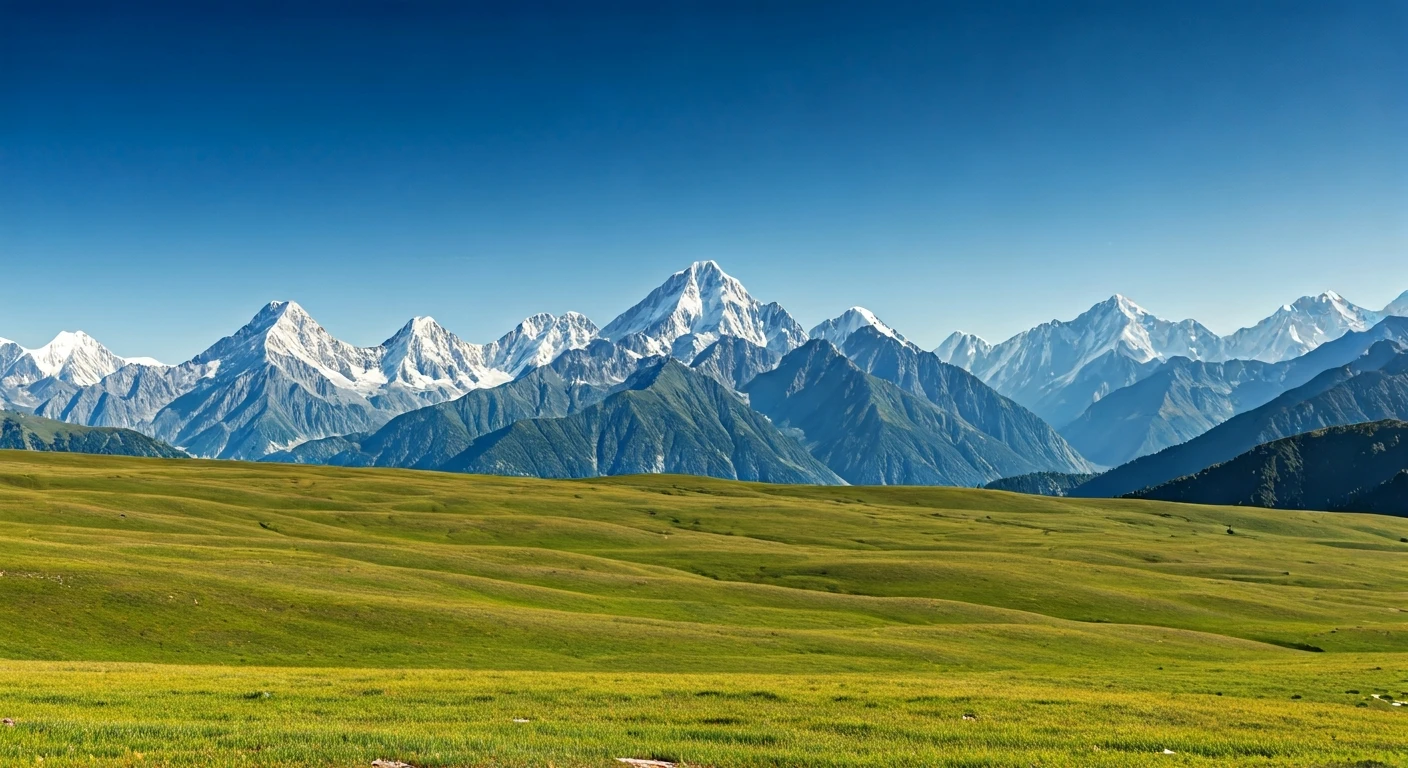
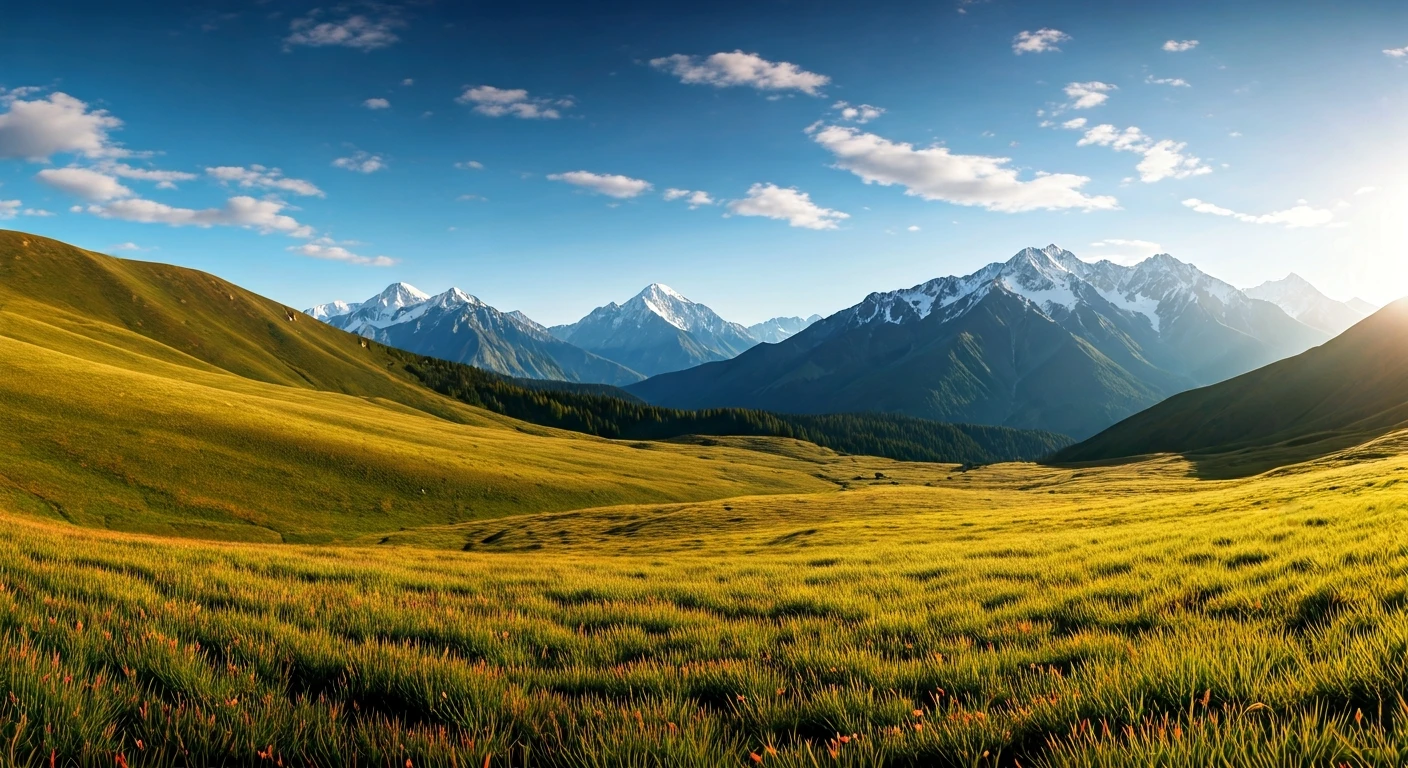
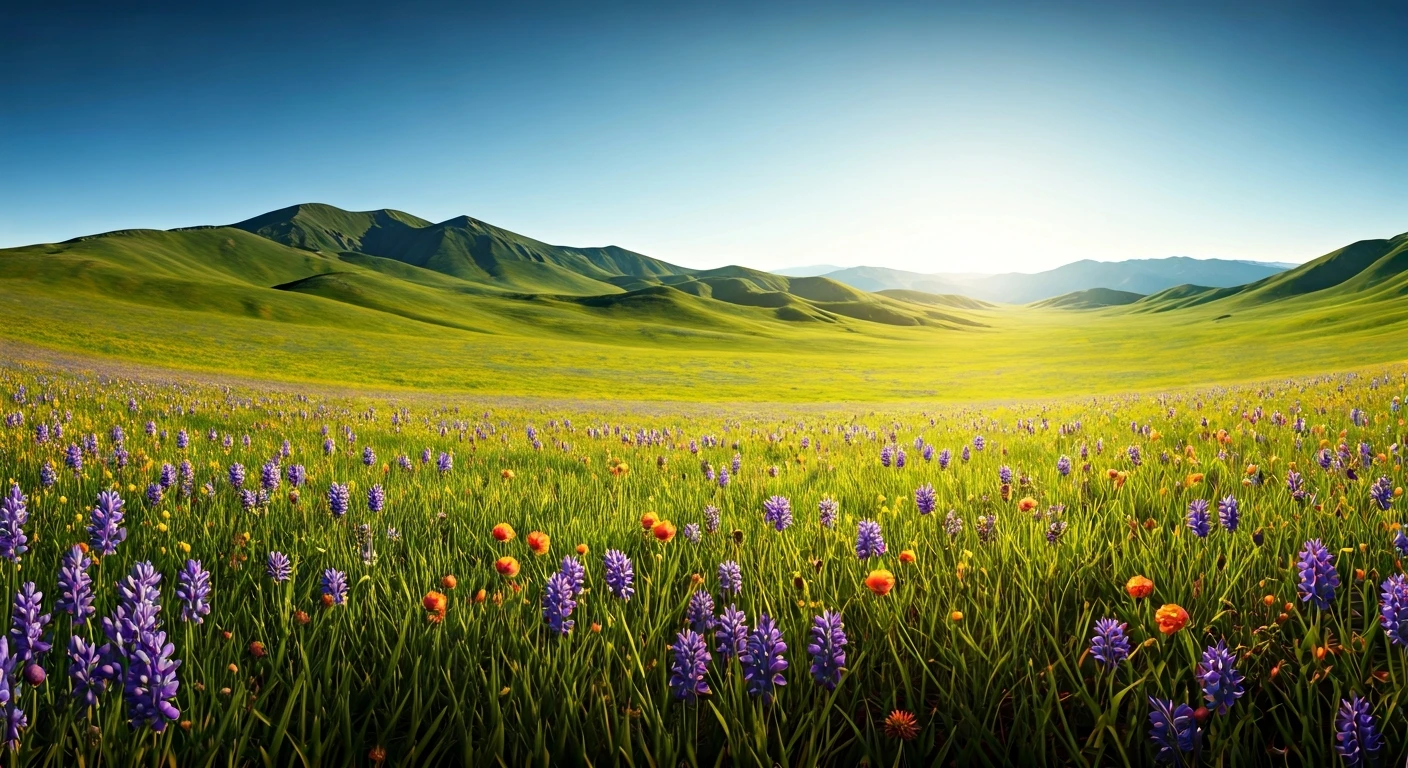
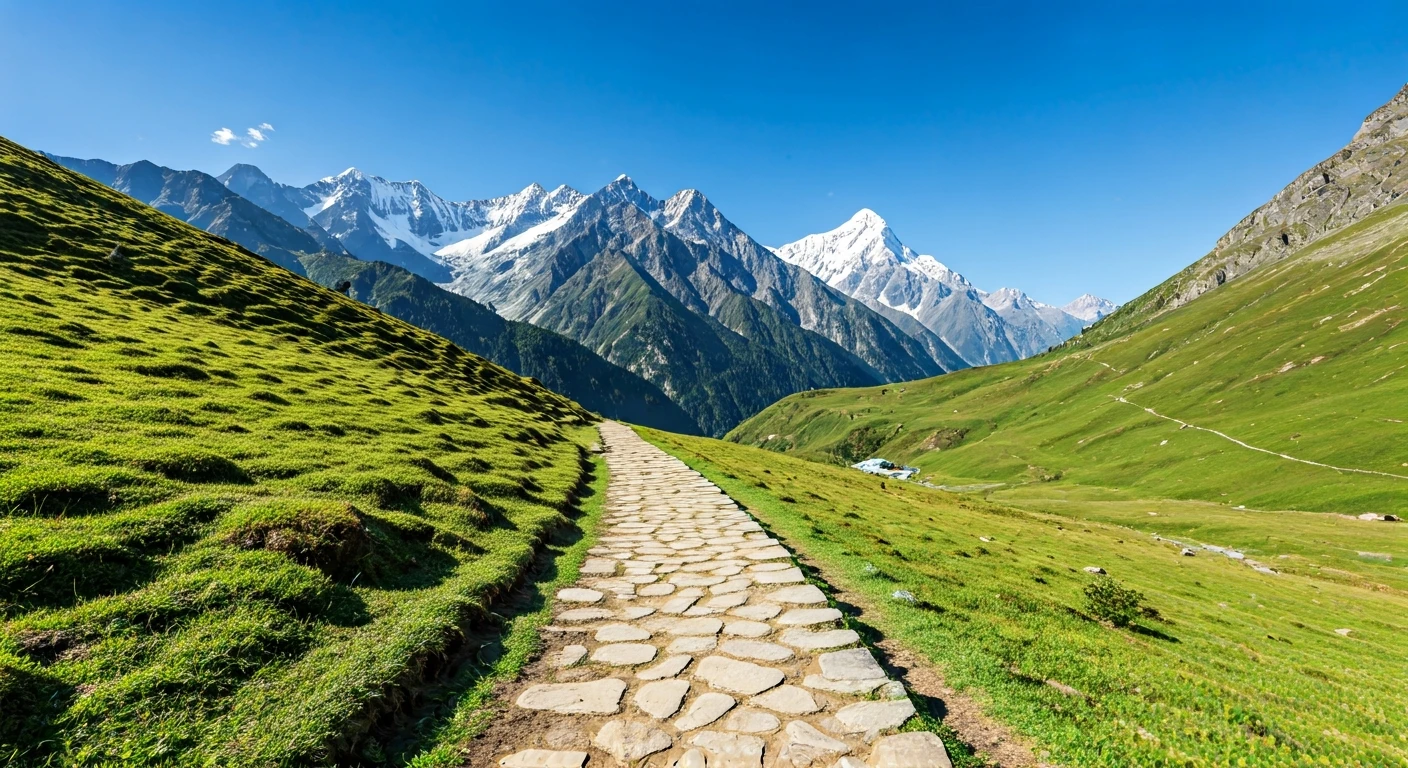
Known primarily as a winter ski resort, Auli transforms into something otherworldly when the snow melts. It becomes home to one of the world's most spectacular high-altitude grasslands, known locally as a 'bugyal'. Imagine the vibrant green of an Irish hillside fused with the epic scale of the Alps, all set against a Himalayan backdrop. Auli Bugyal isn’t a rocky, unforgiving trail; it's an immense, undulating carpet of green that stretches for miles. In summer, this meadow becomes a hiker’s dream, offering gentle slopes and an almost surreal sense of open space that’s a world away from the crowded trails of many U.S. national parks.
A Walk Above the Clouds
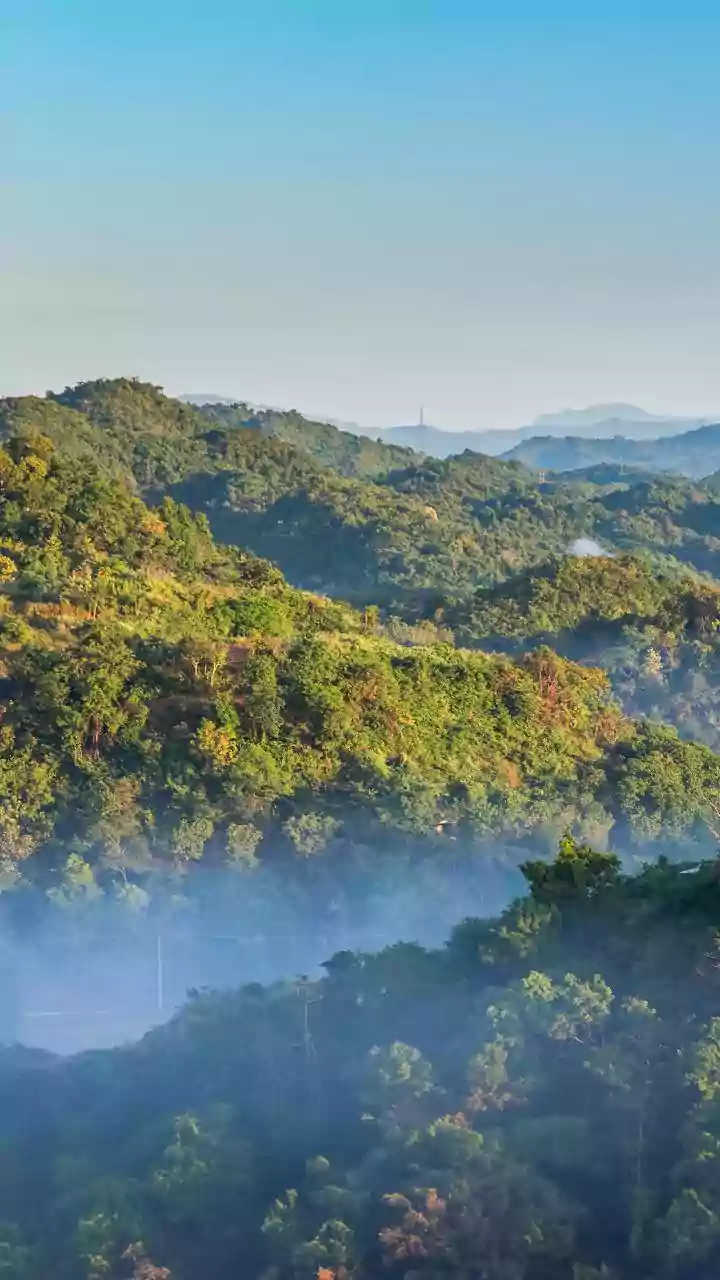
The experience of hiking in Auli during the summer months is sensory and immersive. The season, typically from May to July, sees the meadow explode with life. The air is crisp and clean, carrying the scent of pine from the coniferous forests that ring the lower edges of the bugyal. As you ascend, the tree line gives way to an endless expanse of grass, dotted with a vibrant palette of wildflowers—anemones, potentillas, and wild strawberries add splashes of color to the sea of green.
The trails here aren’t about grueling vertical climbs. They are rolling paths that invite you to wander, to find a high point and simply sit. The feeling is less about conquering a peak and more about being absorbed by the landscape. Shepherds guide their flocks across these slopes, their sheep and goats appearing as small white specks in the distance, their bells providing a gentle, melodic soundtrack to the profound silence.
A Front-Row Seat to the Gods
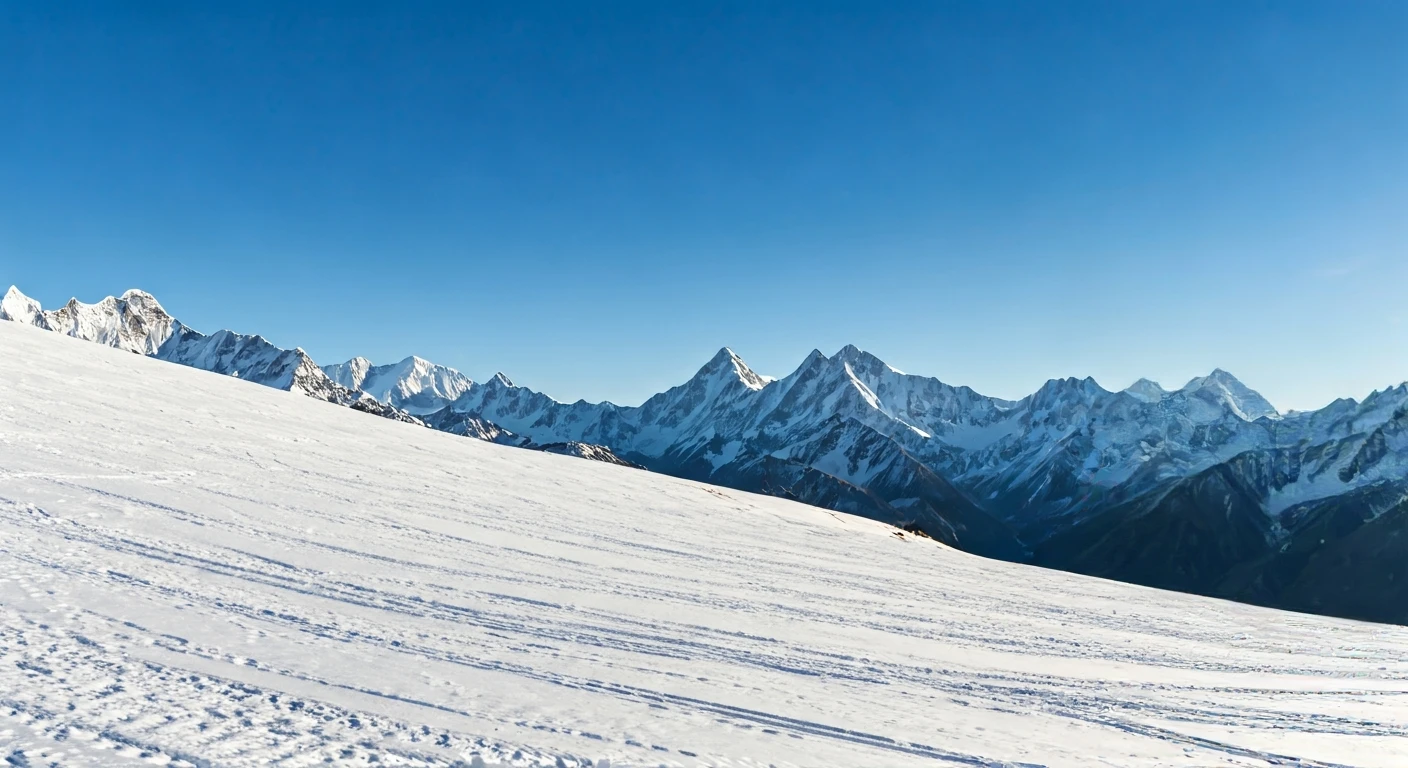
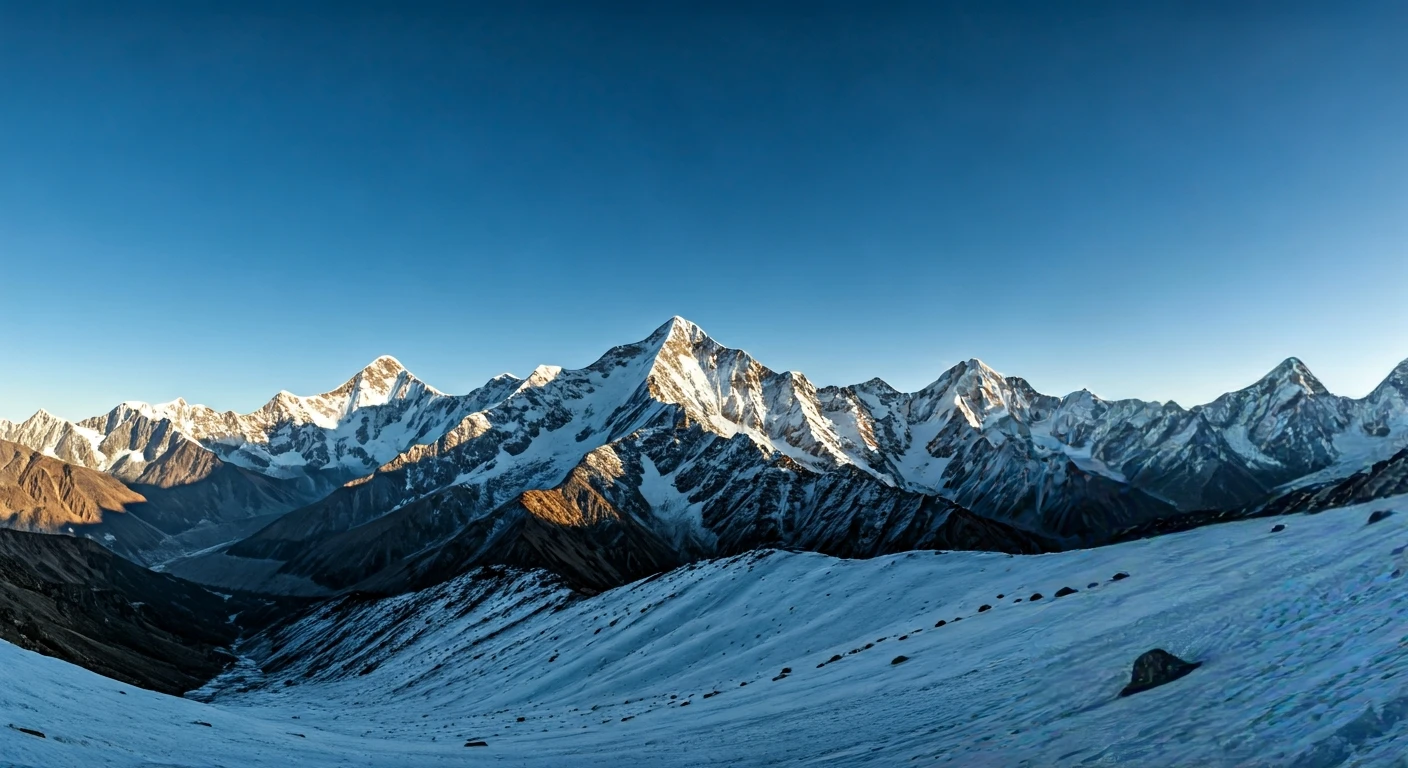
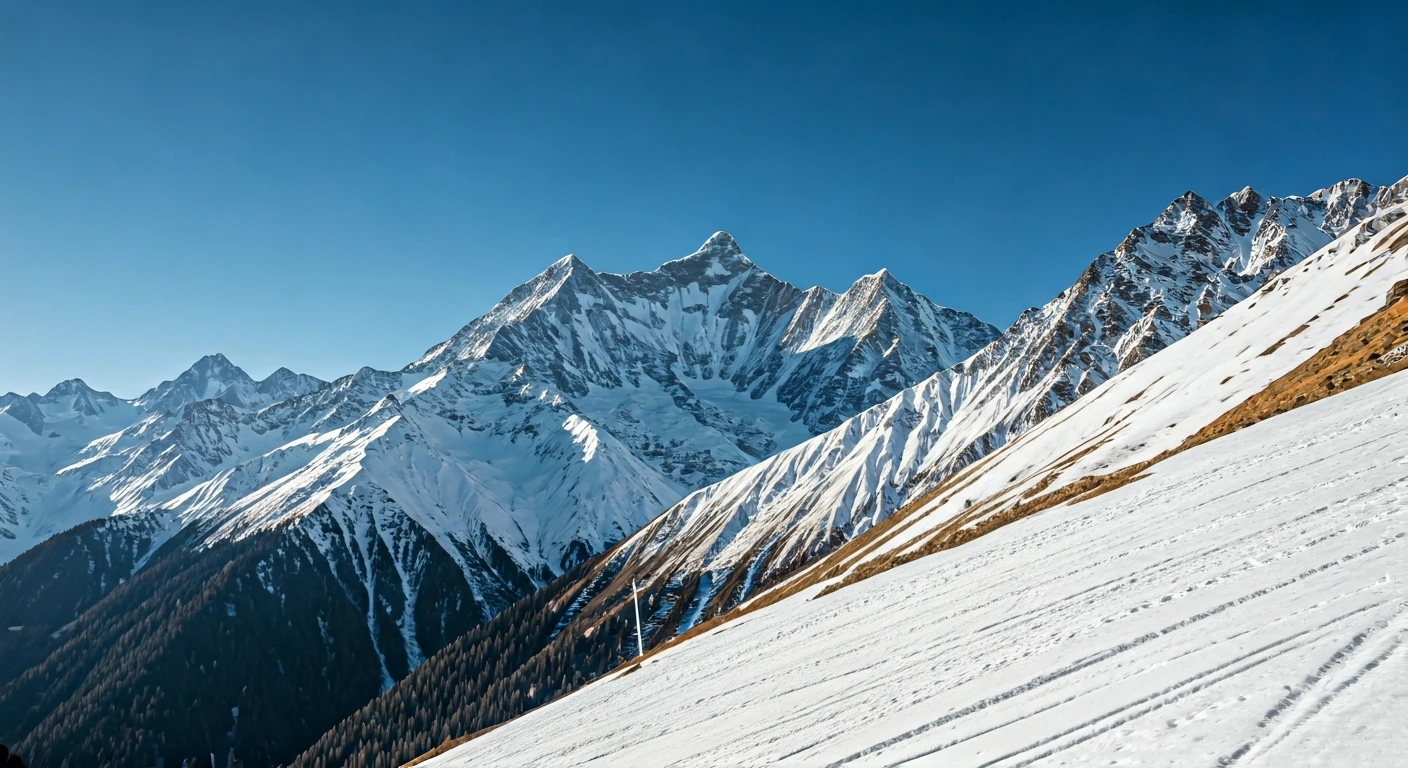
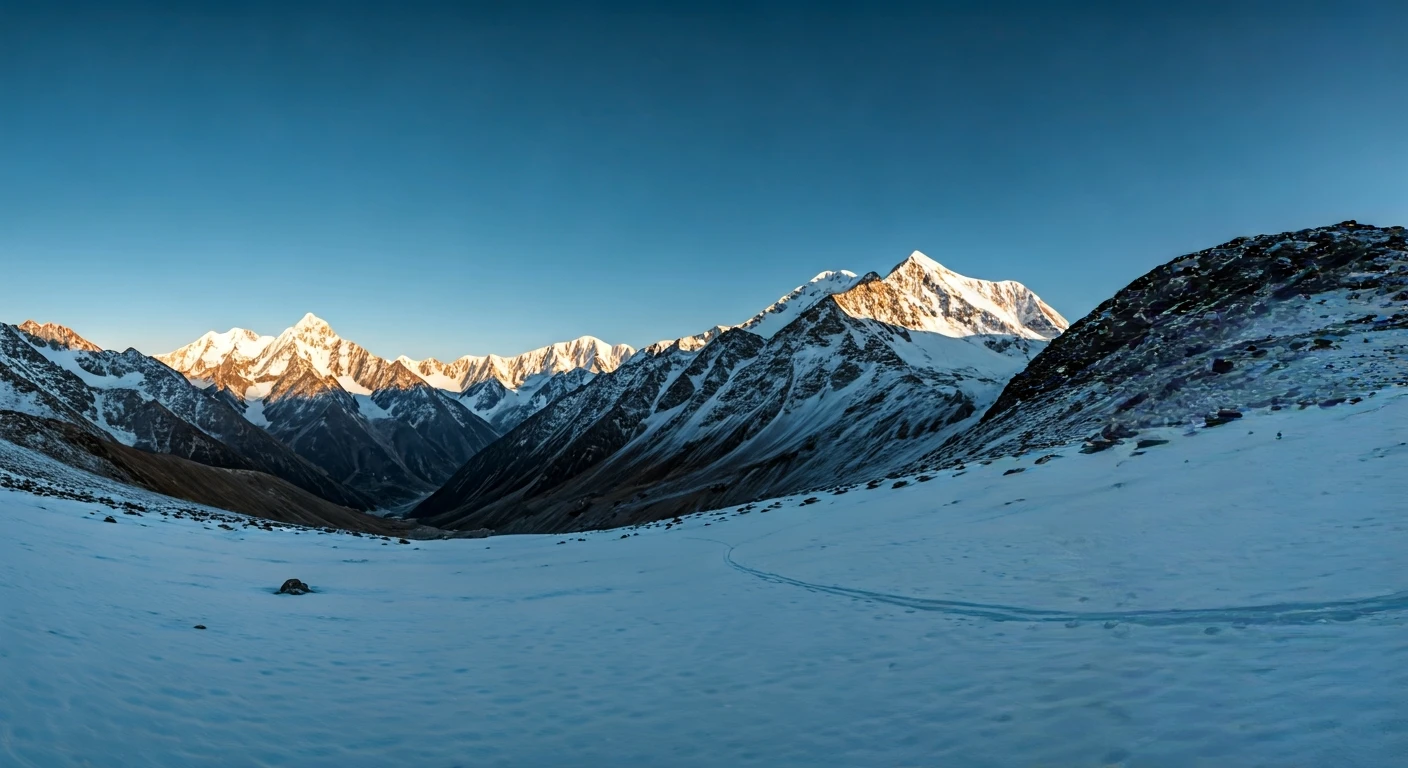
While the meadows themselves are the main attraction, it’s what looms beyond them that truly elevates the experience. Auli provides one of the most stunning, panoramic views of the greater Himalayan range. On a clear day, the horizon is dominated by a wall of snow-capped giants. The star of the show is Nanda Devi, at 25,643 feet, India's second-highest and arguably most sacred peak. It rises majestically, a triangular fang of rock and ice that has captivated mountaineers and spiritual seekers for centuries.
Seeing peaks like Nanda Devi, Kamet, and Mana Parbat from the soft comfort of a green meadow is a study in contrasts. It’s the raw, formidable power of the world’s highest mountains viewed from a place of serene, accessible beauty. This isn't a view you have to suffer for; it's a reward that unfolds with every step you take across the bugyal.
Getting There Is Part of the Story
Part of Auli's allure is its relative remoteness, which has preserved its pristine character. The journey typically begins from the spiritual town of Rishikesh, followed by a long, winding drive into the mountains to the town of Joshimath. From there, the most dramatic way to reach Auli is via the 'Gondola'—one of Asia's longest cable cars. This 2.5-mile journey offers a breathtaking overture to the scenery above, lifting you over dense forests and deep valleys as the Himalayan panorama reveals itself.
This journey also places you in a region steeped in culture and spirituality. Joshimath is a hub for pilgrims heading to the sacred Hindu shrine of Badrinath, and the entire area resonates with a deep sense of history and devotion. A trek in Auli isn’t just a physical activity; it’s an encounter with a landscape that is both a natural wonder and a cultural touchstone.