

The Comeback Kid Phenomenon
In the fast-moving world of food trends, what’s old is suddenly new again. We’re not just talking about a vague appreciation for vintage recipes; we’re witnessing full-blown revivals of specific, often-maligned foods. Think about the snacks of yesteryear:
the jiggly, canned-fruit-studded Jell-O salads, the humble tuna melt, or the bland tubs of cottage cheese sitting forlornly in the dairy aisle. For years, they were culinary punchlines, relics of a less sophisticated palate. Now, they’re showing up on millions of phone screens, presented not as retro novelties but as genuinely delicious, must-try items. This isn't happening by accident. It's the result of a new media format perfectly engineered for modern attention spans, one that has become the most effective tool in the food world for dusting off an old brand and making it shine.
Not Just a Recipe, But an Explainer
So, what exactly is a “recipe explainer”? It’s not your grandmother’s stained recipe card or a long-winded food blog post with a thousand words before the ingredient list. A recipe explainer is a short-form video, typically 15 to 90 seconds long, designed for platforms like TikTok, Instagram Reels, and YouTube Shorts. It does more than just list steps; it *explains* the *why* and *how* in a visually compelling, low-effort format. The key is its simplicity. The creator, often speaking directly to the camera like a friend letting you in on a secret, demonstrates a single concept. It’s not about mastering a complex dish. It’s about showing you that cottage cheese can be blended into a high-protein, creamy pasta sauce. It’s about proving that a can of crescent roll dough can be transformed into a gourmet-looking appetizer in five minutes. These videos remove the intimidation factor from cooking, reframing an ingredient’s potential in a way that feels accessible to anyone with a kitchen.
The Psychology of the Viral Revival
The magic of the recipe explainer lies in its ability to rewire our brains. For decades, cottage cheese was marketed as a low-fat, low-flavor health food. Its public image was cemented. Recipe explainers shattered that image by completely ignoring it. They didn’t try to convince you that “diet food is cool now.” Instead, creators presented it as a neutral, high-protein base for endless delicious possibilities. This format thrives on a few core psychological triggers. First, there's the element of surprise and discovery (“You can do *that* with cottage cheese?”). Second, the visual proof is undeniable; you see the creamy texture, the golden-brown finish, the satisfying cheese pull. There’s no room to doubt if it will work. Finally, the barrier to entry is incredibly low. The videos make the process look so quick and easy that the thought of trying it yourself feels effortless, inspiring an immediate trip to the grocery store. It’s a direct-to-consumer marketing funnel, powered by independent creators.
Case Study: The Cottage Cheese Glow-Up
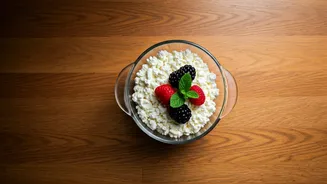
No food illustrates this trend better than cottage cheese. Previously associated with 1970s diet plates, its sales were stagnant for years. Then, the explainers arrived. Creators started blending it into a smooth, tangy base for cookie dough, ice cream, and savory dips. They spread it on toast and topped it with everything from avocado to hot honey. They used it to create a healthier, protein-packed Alfredo sauce. Each video was a mini-revelation. The narrative shifted from “something you force yourself to eat” to “a secret-weapon ingredient for making your favorite foods better.” The result was a genuine consumer-led phenomenon. Grocery stores began selling out. Brands that had done nothing to change their product or packaging suddenly found themselves at the center of a national trend. They didn't need a Super Bowl ad; they just needed a few hundred creators with blenders and smartphones.
Beyond the Dairy Aisle
While cottage cheese is the reigning champion, it's far from the only example. Remember the Watergate Salad, that pistachio-pudding-and-Cool-Whip concoction? It’s back, framed as a fun, no-bake dessert that’s perfect for a potluck. Even tinned fish, long considered a pantry staple of last resort, is having a moment. Influencers are creating “tinned fish date nights,” artfully arranging sardines, mackerel, and mussels on beautiful boards with crackers, cornichons, and wine. In each case, the recipe explainer serves the same function. It takes a food with a fixed, often negative, public perception and gives it a new context. It divorces the ingredient from its cultural baggage and presents it as a simple, versatile building block for something new and exciting. It's a marketing masterclass, happening organically in millions of kitchens across the country.