


First, What Exactly Is Paan?
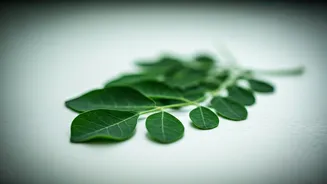
Before it was an ice cream flavor, paan was—and still is—a cultural institution across South and Southeast Asia. Traditionally, it’s a small, folded parcel served after a meal. At its heart is a betel leaf, which acts as a wrapper for a variety of fillings.
This combination is chewed as a palate cleanser, a mouth freshener, and a digestive aid. The experience is a complex burst of flavors and textures, meant to be a final, refreshing flourish to a rich meal. Inside that leaf, you might find areca nut, slaked lime, cardamom, cloves, and sweetened shredded coconut. In some regions, tobacco is also a common addition. For centuries, paan has been a feature of social rituals, a street-side staple sold by vendors called paanwalas, and an integral part of hospitality. Offering paan to a guest is a gesture of respect and goodwill. But it’s important to note: the paan finding its way into desserts is a reimagining of its flavor, not a direct import of all its traditional, and sometimes psychoactive, ingredients.
The Flavor Without The Form
So, what does it mean when a dessert is “paan-flavored”? Chefs and confectioners aren’t simply grinding up traditional paan and mixing it into batter. Instead, they are deconstructing its aromatic essence to create a unique flavor profile that is complex, refreshing, and surprisingly versatile. The key components that make the jump to dessert are the ones that delight the palate without the bitterness or astringency of some traditional elements. The star is often ‘gulkand,’ a sweet preserve of rose petals that brings a floral, jammy sweetness. This is layered with the cool, sharp taste of fennel seeds, the sweet warmth of cardamom, and sometimes a hint of shredded coconut for texture. To get that iconic vibrant green color and signature minty, peppery note, chefs use betel leaf essence or paste, capturing its refreshing quality while leaving the tougher leaf behind. The result is a flavor that’s hard to pin down: it's minty but not toothpaste, floral but not perfume, and sweet but with an earthy, spicy complexity.
From After-Dinner Bite to Dessert Star
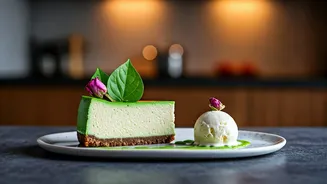
The gateway for most Americans to this trend is paan ice cream. Its creamy, cold base is the perfect canvas for the flavor’s cooling, mint-like notes, making it an intuitive and wildly popular hit at modern Indian restaurants. But the innovation doesn’t stop there. Creative chefs and bakers are infusing the paan profile into a whole slate of Western-style desserts. You can now find delicate paan macarons, where the floral, herbaceous notes are sandwiched between almond-flour shells. There are paan cheesecakes, which balance the rich, tangy cream cheese with the refreshing aromatics of gulkand and fennel. Paan truffles offer a bite-sized explosion of flavor, often coated in white chocolate and dusted with crushed pistachios or rose petals. From panna cotta and mousse to layered jar desserts, the transformation of paan shows its incredible adaptability. It’s a flavor that can stand up to richness, cut through sweetness, and add an element of sophisticated surprise.
Why Now? The Millennial & Gen Z Effect
The rise of paan desserts isn’t happening in a vacuum. It’s part of a broader culinary movement driven by a new generation. Second- and third-generation South Asian American chefs are confidently reclaiming and reinventing the flavors of their heritage, presenting them in forms that are both authentic in spirit and accessible to a wider audience. They are no longer just cooking for their own communities; they're setting trends for everyone. Furthermore, today’s foodies, particularly millennials and Gen Z, have adventurous palates. They seek out novel experiences and are drawn to the stories behind their food. Paan desserts hit all the right notes: they are visually appealing (that bright green is made for Instagram), they offer a complex and unfamiliar flavor profile, and they carry a rich cultural history. This isn't just about a sweet treat; it’s about participating in a global culinary conversation, where tradition and innovation meet on a single plate.