




So, What Exactly Is 'Digital Gold'?
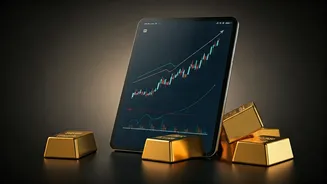
Let’s clear one thing up first: this isn't cryptocurrency. While Bitcoin is often called 'digital gold,' the term in this context refers to something far more literal. Digital gold is a modern way to own actual, physical gold without the hassle of storing
and securing it yourself. When you buy digital gold through a fintech app or platform, you are purchasing a claim on a specific quantity of 24-karat gold. That physical gold is then stored on your behalf in secure, insured vaults by the provider or a third-party custodian. Think of it like a digital receipt for a piece of a very real, very large gold bar sitting in a Fort Knox-style facility. The key innovation is fractional ownership. You don't need thousands of dollars to buy a full ounce. Instead, you can buy as little as one dollar's worth, giving you ownership of a tiny sliver of the physical asset.
The New Gold Rush Is on an App
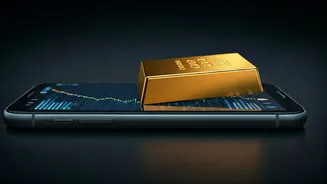
The user experience is where digital gold truly breaks from tradition. For most people, the process is startlingly simple. You download an app, connect a bank account or debit card, and decide how much you want to spend. With a few taps, you’ve bought gold. The price is typically pegged to the real-time market rate, making the process transparent. This model borrows heavily from the micro-investing revolution sparked by apps like Acorn and Robinhood. Some platforms even allow you to round up your daily purchases and invest the spare change in gold, turning passive spending into slow-and-steady saving. This effortless accessibility is the 'tap' in the headline—it transforms a deliberate, often intimidating purchase into an everyday financial habit, seamlessly integrated into a digital-first lifestyle.
Bridging Ancient Tradition and Modern Tech
The appeal of digital gold isn't just about convenience; it's about cultural resonance. In many parts of the world, particularly in countries like India, gold is more than an investment. It’s a cornerstone of cultural and religious events, a traditional gift for weddings and festivals, and a trusted store of value passed down through generations. However, younger, tech-savvy generations were becoming disconnected from this tradition, finding the process of buying, storing, and insuring physical gold impractical. Digital gold platforms bridge this gap. They provide a modern, low-friction way for millennials and Gen Z to participate in a centuries-old practice. It allows them to continue the tradition of accumulating gold for major life events, but in a way that aligns with their financial habits. For a U.S. audience, it’s a powerful way to diversify a portfolio, offering a hedge against inflation and market volatility without the complexities of the commodities market or the need for a safe deposit box.
Is It as Good as the Real Thing?
While convenient, digital gold is a different proposition from holding a coin in your hand. The advantages are clear: high liquidity (you can sell instantly at market prices), no storage or insurance costs for the user (these are bundled into fees), and extreme accessibility. It democratizes an asset class once reserved for wealthier investors. However, there are trade-offs. The biggest is counterparty risk. You are trusting the company you buy from to actually hold the gold they say they do and to remain solvent. While most reputable firms use third-party audits and are fully insured, you don’t have direct physical possession. This is a deal-breaker for some purists who see gold as the ultimate failsafe in a total system collapse. There are typically small transaction or management fees, which can eat into returns over time. Finally, while many platforms allow you to redeem your digital holdings for physical delivery of a coin or bar, this usually requires a minimum amount and incurs additional charges.