
The Symphony of the Street
To understand the magnitude of this shift, you first have to understand chaat. It’s not a single dish but a sprawling, glorious category of savory snacks that hits every possible note: sweet, sour, spicy, tangy, crunchy, and soft. Think of it as India’s
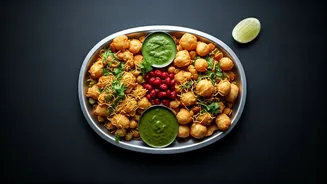
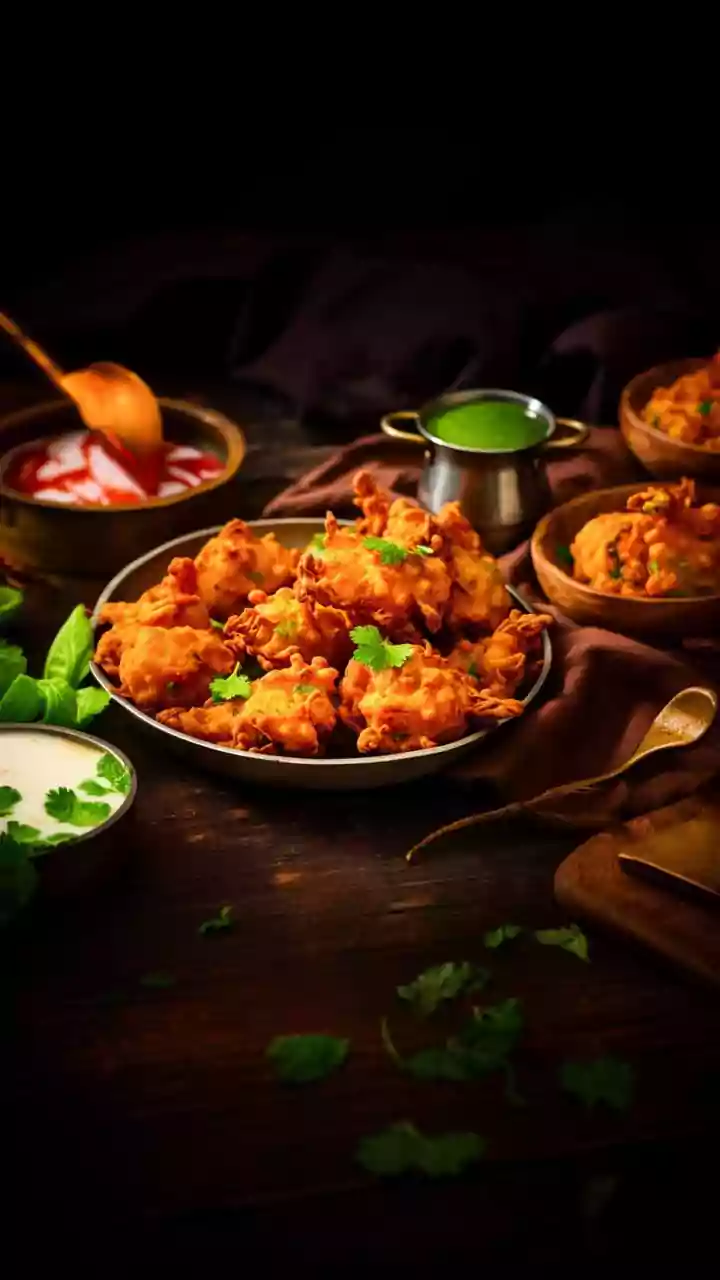
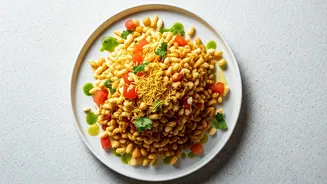
answer to loaded nachos or tapas, but with a flavor profile turned up to eleven. There’s *pani puri* (or *golgappa*), where a hollow, crisp sphere is filled with spiced potatoes and then dunked into tangy, herbed water, meant to be eaten in one explosive bite. There’s *bhel puri*, a jumble of puffed rice, crunchy chickpea flour noodles (*sev*), chopped onions, potatoes, and a trio of chutneys. Then there’s *dahi puri*, where those same crispy spheres are filled with yogurt, chutneys, and spices, creating a cool, creamy, crunchy delight. For decades, chaat has been the quintessential street food experience. It’s an after-school treat, a post-work pick-me-up, a weekend ritual. The magic isn’t just in the ingredients; it’s in the performance. It's watching your *chaat-wallah* (vendor) customize your plate, asking if you want it spicier (*teekha*) or sweeter (*meetha*), and then gathering with friends on the pavement, balancing a flimsy plate as you try to get the perfect bite. It’s an experience rooted in immediacy, community, and the unique touch of the maker.
The Unstoppable Rise of the Packet
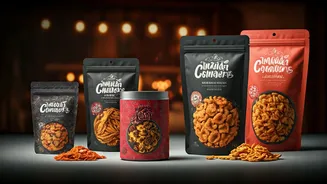
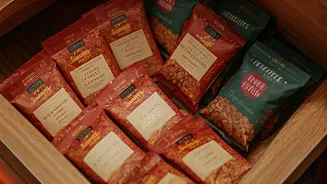
So why would anyone want to put this vibrant, living food into a sterile cardboard box? The answer is modern life. As India’s cities have grown and life has become faster, the demand for convenience has skyrocketed. Busy professionals in Mumbai or Bangalore don’t always have time to stop at their favorite street vendor. Moreover, long-standing concerns about street food hygiene, amplified globally by the pandemic, have made consumers more cautious. Enter India’s food giants. Companies like Haldiram’s, Bikanervala, and a host of nimble startups saw an opportunity. They began developing “chaat kits” and ready-to-eat versions of these beloved snacks. Initially a niche product for Indians living abroad who missed a taste of home, these kits have exploded in popularity within India itself. They promise the same beloved flavors but with the assurance of factory-sealed hygiene and the convenience of being available in any grocery store, ready to be prepared in minutes in your own kitchen. The packaged snack market in India is a multi-billion dollar industry, and chaat is its new frontier.
Just Add Water (and Nostalgia)
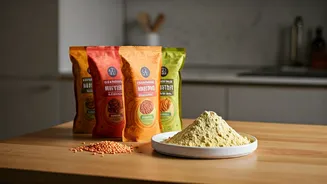
Opening a DIY pani puri kit feels like a science experiment in flavor. Inside, you’ll find a bag of the fragile, hollow puri shells, miraculously intact. Alongside are several small packets of paste or powder. One is a concentrate for the spicy tamarind-mint water; you just mix it with cold water. Another contains a sweet date and tamarind chutney. Some kits even include the savory *boondi* (tiny fried chickpea flour balls) to float in the water. The assembly is straightforward: you poke a hole in a puri, add a bit of boiled potato or chickpeas from your own kitchen, spoon in some chutney, and then dunk and eat. Similarly, a bhel puri kit provides the puffed rice, the sev, and packets of wet and dry chutneys. All you do is chop an onion and tomato, toss everything together in a bowl, and you have a reasonable facsimile of the real thing. It’s an ingenious piece of food engineering, deconstructing an entire sensory experience into shelf-stable components.
Convenience vs. Character
There’s no denying what’s gained. Packaged chaat is democratic. It allows someone in rural Kansas or a high-rise apartment in Delhi to experience a flavor they might otherwise miss. It’s clean, predictable, and available 24/7. But something is undeniably lost in translation. The packaged chutneys, while tasty, lack the fresh, sharp notes of those made just hours before. The puris, while crispy, don’t have that same delicate shatter. Most importantly, the context is gone. You lose the sound of traffic, the chatter of the crowd, and the personal flourish of the vendor who knows exactly how you like it. It’s the difference between a perfectly decent frozen pizza and the wood-fired masterpiece from your favorite local joint, bubbling with fresh mozzarella. One is a product, the other is an experience. The packaged version satisfies a craving, but the street-side original nourishes the soul. The *haath ka swaad*, or the “taste of the hand,” a concept central to Indian home cooking and street food, is impossible to replicate in a factory.