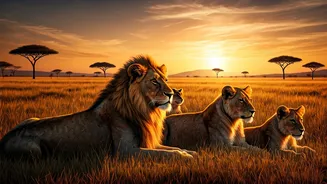









From Swiss Alps to Serengeti Plains
Imagine the classic Bollywood movie montage: a whirlwind romance set against the snowy peaks of Switzerland or the tulip gardens of the Netherlands. For decades, this cinematic vision shaped the travel aspirations of millions in India. Europe, along with
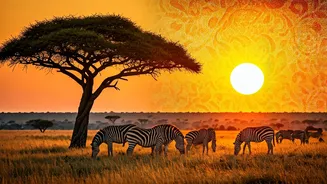
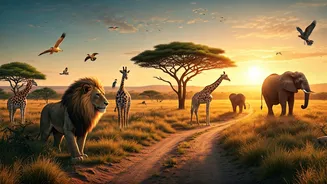
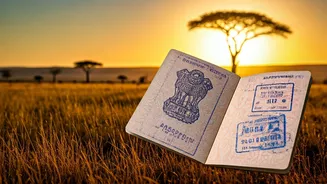
nearby hubs like Dubai and Singapore, became the quintessential “foreign trip.” But as India’s economy has boomed, so has the confidence and curiosity of its travelers. The passport is no longer a novelty; it’s a gateway to experiences, not just destinations. Now, a continent once largely on the periphery of the Indian travel imagination is taking center stage. Travel agencies in India report a staggering surge—some quoting 30-50% year-over-year growth—in inquiries and bookings for African destinations. The new dream isn't a selfie in Paris; it’s spotting the “Big Five” on a Kenyan safari.
The New Aspirational Traveler
This isn't just about finding a new place to go. It’s about a fundamental change in the Indian traveler. A rapidly expanding middle and upper-middle class, armed with disposable income and influenced by global social media trends, is driving the demand. These are often second or third-time international travelers who have already seen the world’s major capitals. They’re seeking what marketing experts call “bragging rights” and “experiential currency.” Africa offers something Europe can’t: raw, unfiltered adventure that looks incredible on Instagram but also delivers a profound personal story. It’s a move from passive sightseeing to active participation. The new status symbol isn't the luxury handbag bought in Milan, but the story of watching the Great Migration in the Maasai Mara or tracking gorillas in Rwanda.
What's On The Itinerary?
So, where in this vast continent are they going? The trend is coalescing around a few key hubs. Kenya and Tanzania are the undisputed champions, powered by the timeless allure of wildlife safaris. Tour operators are seeing immense demand for packages that promise sightings of lions, elephants, and leopards across iconic national parks like the Serengeti and Amboseli. South Africa is another major draw, but for a different reason: adrenaline. It appeals to a younger, more adventurous crowd with its world-class shark cage diving, bungee jumping, and stunning drives along the Garden Route. Egypt, with its ancient pyramids and Nile cruises, also remains a consistent favorite, blending history with leisure. The common thread is a desire for iconic, once-in-a-lifetime experiences that feel both epic and accessible.
An Industry Adapting on the Fly
The travel industry, both in India and Africa, has been quick to notice the shift. Indian tour companies are curating specialized itineraries that cater specifically to their clientele’s needs. This goes beyond just flights and hotels. Recognizing the importance of culinary comfort, many safari lodges and tour operators now offer extensive vegetarian and Indian cuisine options—a critical factor for many travelers. There’s a growing understanding that this is a family-oriented market, with packages designed for multi-generational trips. On the African side, tourism boards and local businesses see a massive, relatively untapped market. They are actively marketing to India, recognizing that this demographic is often willing to pay for premium, comfortable, and well-organized experiences, making them a highly valuable source of tourism revenue.