




1. Public Transit That Actually Works
For many travelers, navigating a foreign city’s transport system is the first source of stress. In South Korea, and especially Seoul, it’s a source of relief. The Seoul Metropolitan Subway is a marvel of modern engineering—clean, efficient, and so extensive
it feels like the entire city is within a 10-minute walk of a station. Signs are in English, announcements are clear, and color-coded lines make navigation intuitive even for a first-timer. High-tech screens show you exactly where your train is in real-time. Best of all, a single T-money card (think of it as a super-powered MetroCard) gives you seamless access to subways and buses not just in Seoul, but across the entire country. The tap-and-go system is a simple, elegant solution that eliminates the daily scramble for tickets and cash.
2. A Hyper-Connected Paradise
In an age where we rely on our phones for maps, translations, and emergency contact, being disconnected is a major form of travel chaos. South Korea effectively eliminates this problem. It boasts some of the fastest internet speeds in the world, and free public Wi-Fi is shockingly ubiquitous. You’ll find it in subway stations, on buses, in public parks, and at most cafes and restaurants. Instead of hunting for a signal or rationing expensive data, you can stay connected effortlessly. This transforms the travel experience. Need to look up directions on Naver Maps (the local Google Maps)? No problem. Want to use the Papago app to translate a menu? It’s instantaneous. This digital infrastructure provides a constant, calming safety net.
3. Punctuality You Can Set Your Watch To
The feeling of a train being “on time” in South Korea is different from the U.S. It doesn’t mean “within a 10-minute window.” It means departing and arriving at the precise minute stated on the schedule. This applies to the KTX, the country's high-speed rail network that zips you from Seoul to the southern port city of Busan in under three hours. This culture of punctuality, known as *ppalli-ppalli* (hurry, hurry), might sound stressful, but for a traveler, it creates a deeply reassuring sense of order. You can plan your day with confidence, knowing that transport schedules are not mere suggestions. This reliability removes a huge layer of logistical anxiety, allowing you to focus on enjoying your destination rather than worrying about how you'll get to the next one.
4. Safety That Redefines 'Comfort Zone'
One of the most common sights in a Seoul cafe is a laptop and wallet left unattended on a table while its owner orders at the counter. This isn't recklessness; it's a testament to the country's incredible public safety. South Korea has exceptionally low rates of violent crime and petty theft, creating an environment where you can walk through bustling city streets late at night without a second thought. For solo travelers, families, and anyone tired of constantly clutching their bags, this sense of security is priceless. The chaos of worrying about your belongings or personal safety simply melts away, replaced by a freedom to explore with an open and relaxed mind.
5. Cleanliness and Order by Default
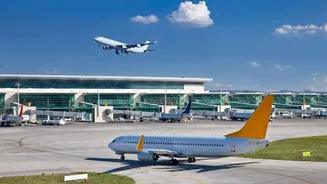
From the gleaming floors of Incheon International Airport—consistently ranked one of the world's best—to the spotless subway cars and well-maintained public restrooms, South Korea operates with a baseline of cleanliness that puts many other nations to shame. While you might struggle to find a public trash can (a long-standing policy to manage waste), you’ll also struggle to find litter. There's a shared social contract that values order and public space. This extends to social interactions as well. Queuing is an art form, and there's a general respect for rules and personal space that minimizes the jostling and pushing common in other crowded urban centers. It’s a subtle but powerful contributor to a stress-free environment.