



The Heartbeat on The Ridge
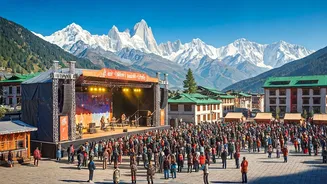
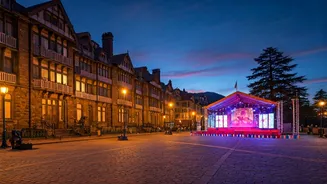
For anyone who has visited Shimla, the former summer capital of British India, The Ridge is its undeniable heart. This sprawling open space, with the iconic Christ Church standing sentinel at one end and the library at the other, transforms during the annual
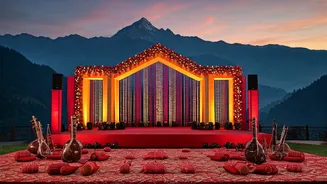
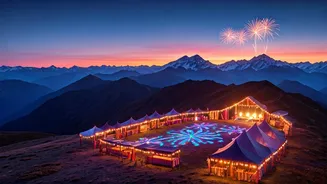
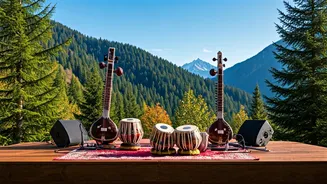
Summer Festival. What is normally a promenade for quiet strolls and breathtaking views of the Himalayan range becomes an open-air amphitheater. A massive stage hosts a kaleidoscopic array of performers, from Bollywood stars drawing roaring crowds to local Himachali folk singers whose voices seem to echo the ancient soul of the mountains themselves. Families spread blankets on the ground, children chase balloons, and tourists and locals alike are mesmerized by the spectacle, a vibrant pulse of modern and traditional India set against a backdrop of stately colonial architecture.
A Tapestry of Himachali Culture
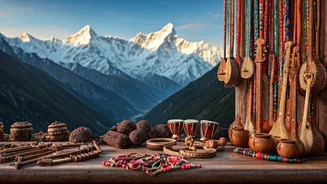
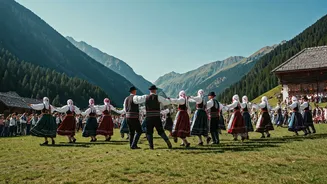
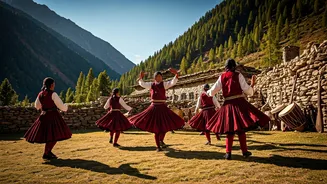
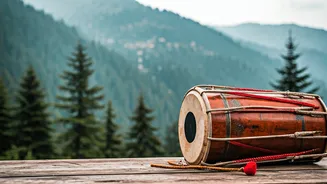
The festival is far more than just a concert series; it’s a living museum of Himachali culture. The highlight for many is the traditional folk dance, particularly the *Nati*. Performed by troupes in ornate, colorful costumes—adorned with heavy silver jewelry and distinctive woolen caps—the dance is a slow, graceful, and deeply communal expression. Dancers link arms, moving in serpentine lines to the hypnotic rhythm of drums and pipes. This isn't a performance put on solely for tourists; it’s a preservation of heritage, a moment of pride for the mountain communities of Himachal Pradesh. The songs often tell stories of pastoral life, love, and the changing seasons, grounding the entire celebration in a sense of place and history that feels a world away from the hustle of urban India.
Beyond the Main Stage
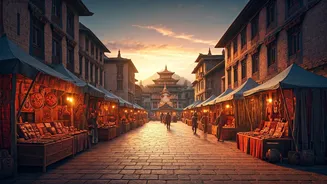
While the main stage on The Ridge captures the most attention, the “buzzing” of the hills happens everywhere. The famous Mall Road, a pedestrian-only artery below The Ridge, becomes a bustling bazaar. The air is thick with the scent of sizzling street food—from savory *chole bhature* to sweet, steaming *jalebis*. Pop-up stalls sell everything from handcrafted wooden toys and intricately patterned Kullu shawls to local jams and pickles. It's a sensory overload in the best possible way. The festival often includes a flower show, where the region’s incredible biodiversity is on full display, and even niche events like dog shows and photography competitions, ensuring that every corner of the town feels alive and participatory. This is where the festival's spirit truly resides: in the small interactions, the shared food, and the collective wandering.
Echoes of a Storied Past
What makes the Shimla Summer Festival so unique is its setting. The city is a fascinating blend of Indian energy and British nostalgia. The same Gaiety Theatre that once hosted Rudyard Kipling and English socialites now hosts local plays and folk performances. The half-timbered Tudorbethan buildings and neo-Gothic churches stand as silent witnesses to a new generation's celebration. This contrast is never jarring; instead, it creates a rich, layered experience. You can spend an afternoon admiring the precision of a Himachali folk dance and then enjoy a high tea at a hotel that feels preserved from the 1920s. The festival doesn’t erase the city's past; it reclaims the space, filling the historical avenues with the sounds and colors of a vibrant, independent India.