





From Volume to Value
For decades, wildlife tourism in India often meant a stay at a functional, government-run rest house or a large hotel outside a national park's gates. The experience was standardized: a shared canter or jeep would ferry dozens of tourists along crowded
routes inside parks like Ranthambore or Corbett, all competing for the same photo opportunity. While this model, born from the success of Project Tiger in the 1970s, brought wildlife to the masses, it often lacked depth and put immense pressure on park ecosystems. Today, a paradigm shift is underway, led by a small but influential group of boutique lodges. These properties are flipping the script, prioritizing low-impact, high-value experiences over high-volume tourism. They operate on the principle that true luxury isn't about opulence, but about exclusivity, expertise, and a genuine connection to the environment. Instead of being adjacent to the wilderness, they aim to be part of it, often operating on private lands bordering the parks, which allows for more freedom and a less hurried pace.
Conservation as the Core Mission
What truly sets these lodges apart is that conservation isn't a marketing buzzword; it's their business model. Properties like SUJÁN Jawai, located in Rajasthan, have pioneered a model that operates in a human-dominated landscape where leopards and local Rabari herdsmen coexist. The lodge invests heavily in community relations and habitat preservation, ensuring that tourism revenue directly benefits the people and wildlife of the region. By employing locals and funding schools and healthcare, they give the community a powerful economic incentive to protect the leopards they once saw as a threat. Similarly, lodges like Jamtara Wilderness Camp near Pench National Park actively fund anti-poaching patrols and rewilding initiatives on buffer-zone lands. Guests are not just passive observers; they become patrons of a functioning conservation project. The nightly rate contributes directly to protecting the very wilderness they've come to see. This transforms the safari from a simple holiday into a form of active participation in the future of India’s wildlife.
Redefining Wilderness Luxury
The experience at these lodges redefines luxury. Forget marble lobbies and televisions. Here, luxury is sleeping in a lavish tented suite with the sounds of the jungle just beyond the canvas, or having a private dinner under a blanket of stars in the middle of the bush. It’s the expertise of a naturalist guide who has spent years tracking a single tiger family and can interpret every sound and footprint. Many lodges focus on hyperlocal, farm-to-table cuisine, with ingredients grown in their own organic gardens. The architecture often uses local materials and traditional building techniques, creating a seamless blend with the surrounding landscape. The goal is immersion, not insulation. For example, some lodges offer a 'star bed' experience, a raised platform where guests can sleep safely in the open, offering an unfiltered connection to the nocturnal world. This is a far cry from the disconnected, air-conditioned experience of a conventional hotel.
A More Authentic Encounter
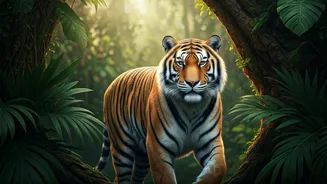
By moving away from the crowded park interiors, these lodges offer a more authentic and varied wildlife experience. While the tiger remains the star attraction, the focus broadens to the entire ecosystem. Guests might spend a morning tracking a sloth bear, an afternoon birdwatching, or an evening walk learning about the area’s unique flora from an expert guide. Because many of these lodges are on private concessions, they can offer activities forbidden inside national parks, like walking safaris, night drives, and al fresco meals in wild settings. This approach provides a more holistic and patient form of wildlife viewing. It’s less about ticking a box and more about understanding the intricate web of life in the Indian jungle. The result is a safari that feels less like a theme park ride and more like a genuine exploration, leaving visitors with a profound appreciation for the complexity and fragility of these incredible habitats.