
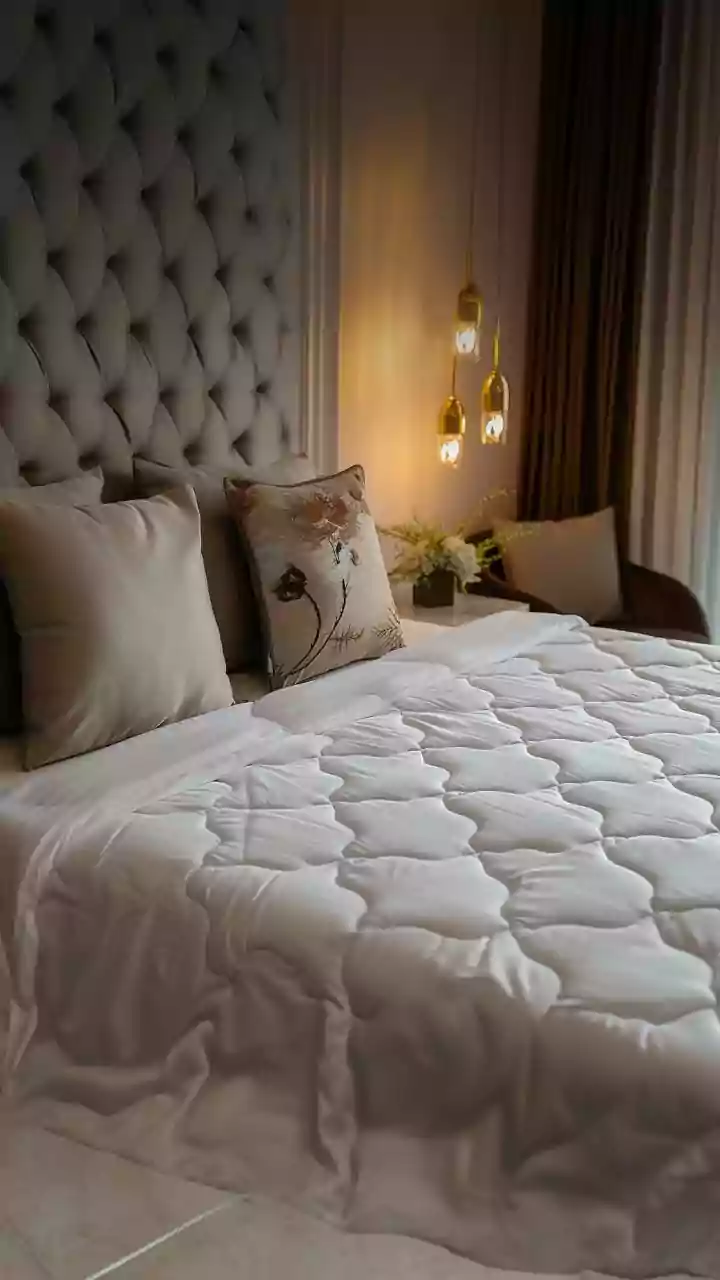




The Rise of the Sleep Economy
Not long ago, bragging about pulling an all-nighter was a badge of honor. Today, it’s more common to hear a colleague extoll the virtues of their weighted blanket, their meticulous ‘wind-down’ routine, or the data from their Oura Ring. This is the new
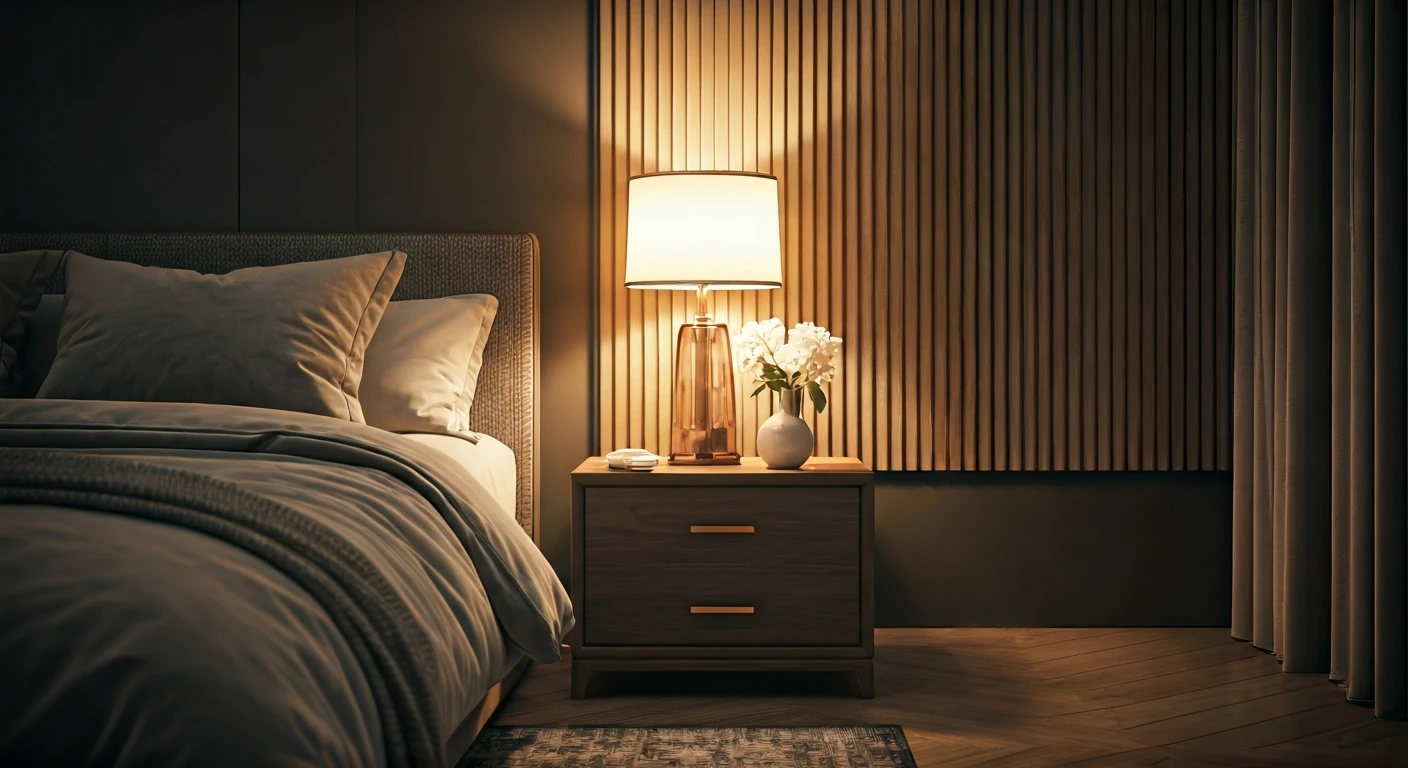
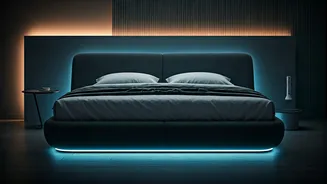
‘sleep economy’ in action. We’ve entered an era where sleep has been thoroughly commodified, packaged, and sold back to us as a luxury experience. Think eight-thousand-dollar smart beds that adjust to your every toss and turn, AI-powered sleep coaching apps, celebrity-led meditation tracks, and even high-end ‘sleep tourism’ retreats. On the surface, it feels like another wellness trend reserved for the wealthy, turning a basic biological need into an aspirational product. It’s easy to be cynical about paying a premium for something that should be free. But looking past the price tags reveals a more significant, and surprisingly practical, cultural shift.
From Aspirational to Foundational
The marketing may scream ‘luxury,’ but the underlying principle is profoundly practical. The reason these products and services exist is a widespread recognition of a simple truth: quality sleep is not an indulgence, but a foundational pillar of physical and mental health. For decades, diet and exercise formed the two-legged stool of wellness. We now understand that sleep is the critical third leg, without which the entire structure collapses. Chronic sleep deprivation is linked to a startling range of health issues, including heart disease, obesity, diabetes, and a weakened immune system. Mentally, it tanks our mood, dulls our cognitive function, and cripples our ability to manage stress. Seen through this lens, investing in sleep is no different from investing in a gym membership or choosing healthier foods. It’s preventative maintenance for your body and brain. The ‘luxury’ framing is just an expensive packaging for an ancient, free, and non-negotiable truth.
Borrow the Principles, Not the Price Tag
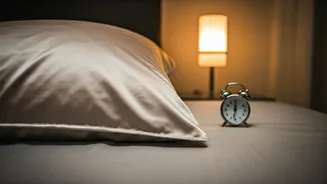
The good news is that you don’t need a venture capitalist’s budget to reap the benefits of ‘luxury’ sleep. You just need to adopt the principles that the high-end market is built on. The core tenets are consistency, environment, and ritual. Consistency means going to bed and waking up around the same time every day, even on weekends. This stabilizes your circadian rhythm, the body’s internal clock, making it easier to fall asleep and wake up feeling refreshed. The luxury market sells this with coaching; you can achieve it with an alarm clock. A quality sleep environment is dark, cool, and quiet. While you could buy blackout blinds with smart-home integration, you can also use an inexpensive eye mask and earplugs. The principle is the same: minimize sensory input. Finally, a wind-down ritual signals to your body that it’s time to rest. Instead of a celebrity-narrated app, try 20 minutes of reading a physical book, gentle stretching, or journaling—anything that separates the stress of the day from the peace of the night.
Your Most Practical Wellness Strategy
Ultimately, the most radical and practical thing you can do is to change your mindset. Stop viewing sleep as a reward you earn after a grueling day or an inconvenience that gets in the way of your to-do list. Start treating it as an active strategy for a better life. Getting eight hours of quality sleep isn’t lazy; it’s a deliberate choice that makes you more focused, more resilient, more creative, and healthier. It improves your performance in the boardroom, your patience with your family, and your enjoyment of your hobbies. It is the single most effective thing you can do to improve your well-being, and mastering the basics costs nothing. The ‘luxury’ trend is simply a loud, expensive reminder of what we should have been prioritizing all along. It has successfully made sleep cool again, and that’s a practical win for everyone.