




The Backlash Against Bland
Remember the era of steamed broccoli and unseasoned chicken breast? For a long time, the wellness industry equated health with restriction. The prevailing logic was that if it tasted too good, it was probably bad for you. This led to a culture of calorie-counting,
deprivation diets, and a culinary landscape where flavor was often the first casualty. But a growing number of Americans are experiencing burnout from this ascetic approach. We’re tired of foods that feel punitive. The modern search for well-being is pivoting away from what we need to eliminate and toward what we can joyfully add—and that starts with flavor.
Flavor as Function: The Spice Philosophy
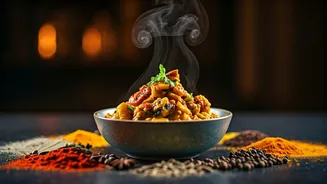
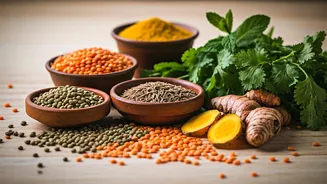
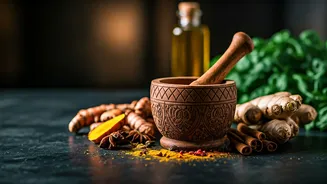
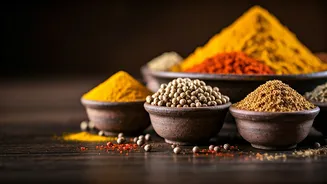
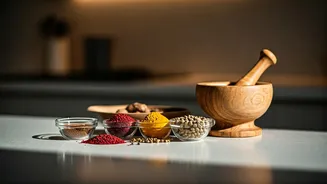
This new chapter in wellness is being written with a vibrant alphabet of spices. In traditions like India’s Ayurveda, spices aren't just for taste; they are functional ingredients with specific purposes. Turmeric, with its active compound curcumin, is celebrated for its anti-inflammatory properties. Ginger is a legendary digestive aid, soothing stomachs and quelling nausea. Cumin and coriander are praised for their ability to support digestion and detoxification. This isn't about simply sprinkling some powder on a dish. It's an entire philosophy rooted in the belief that food should actively support the body's systems. These spices work synergistically, creating complex flavor profiles that also deliver a host of benefits, turning every meal into an opportunity for nourishment.
Lessons from the Temple Kitchen
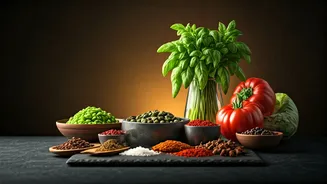
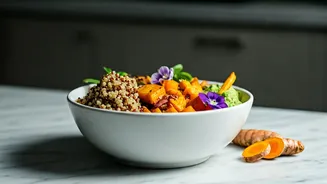
Beyond just spices, the techniques and principles of ancient food traditions—many of which originated in monastic or spiritual settings—are gaining mainstream appeal. Consider 'Shojin Ryori,' the traditional vegetarian cuisine of Japanese Zen Buddhist monks. It emphasizes balance, seasonality, and minimizing waste. The 'rule of five' ensures that meals include five colors (black, white, red, yellow, green) and five flavors (sweet, sour, salty, bitter, umami), creating a dish that is nutritionally complete and aesthetically beautiful. Similarly, Ayurvedic cooking focuses on preparing foods that balance an individual’s 'dosha,' or unique mind-body constitution. These 'temple techniques' are not about complicated recipes but about a mindful approach: cooking with intention, respecting ingredients, and understanding that how you eat is as important as what you eat.
From Ancient Practice to Modern Plate
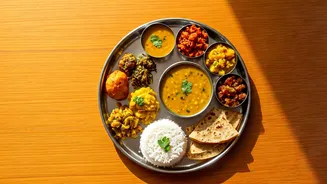
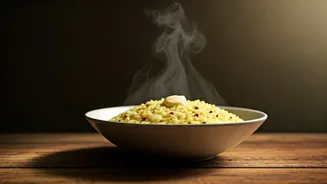
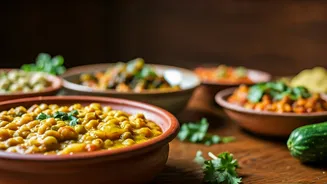
So how does this translate to the modern American kitchen? The trend is visible everywhere from buzzy urban cafes serving turmeric lattes and Ayurvedic kitchari bowls to high-end restaurants incorporating fermented foods and seasonal, plant-based tasting menus inspired by Shojin Ryori. Cookbooks are increasingly highlighting the medicinal properties of herbs and spices. On a practical level, it means looking at your spice rack as a medicine cabinet. It involves simple shifts: starting your day with warm lemon water and ginger, adding a pinch of cardamom and cinnamon to your morning oatmeal, or building a simple, colorful stir-fry using the 'rule of five.' This approach isn’t about a radical overhaul; it’s about integrating small, powerful habits that reconnect us with the profound wisdom embedded in traditional foodways.