



The Weekend Pilgrimage
Rishikesh, long known in the West as the Himalayan town where The Beatles sought enlightenment, has a dual identity. While international visitors still come for its ashrams and yoga schools, its primary weekend pulse is driven by domestic Indian tourists.
For legions of young professionals and students from Delhi, Chandigarh, and other nearby cities, Rishikesh is the ultimate weekend pressure valve. They arrive in packed cars and buses, swapping office cubicles for a shot of pure, unadulterated adrenaline. This isn't a pilgrimage for spiritual salvation in the traditional sense. It's a pilgrimage for thrills. The goal is to conquer the rapids, cliff-jump into frigid water, and return to city life on Sunday evening with a hoarse voice and a gallery of triumphant smartphone photos. The atmosphere is less meditative and more festival, a collective release fueled by loud music from portable speakers and the infectious energy of a crowd determined to have fun.
A River of Rainbows
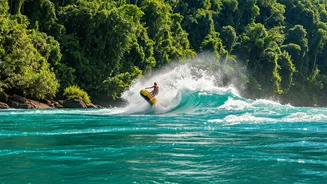
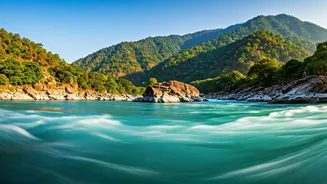
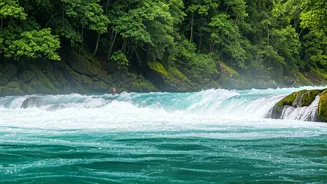
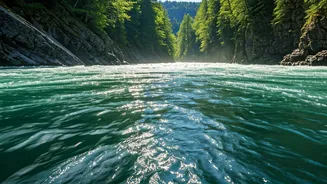
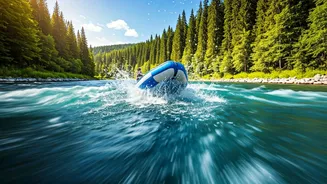
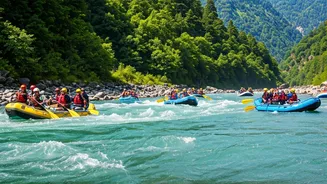
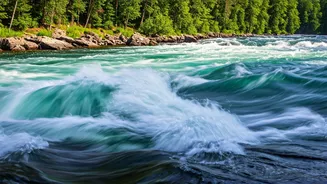
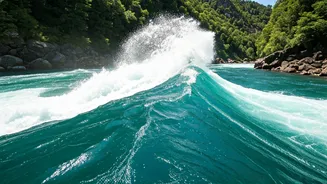
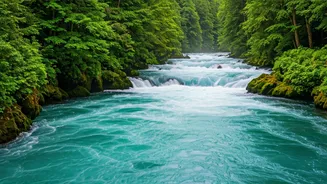
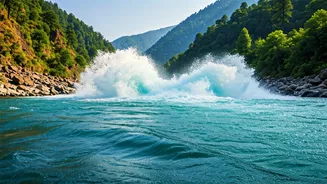
The scene on the water defies simple description. It’s a traffic jam of primary colors. Hundreds of inflatable rafts—yellow, orange, blue, red—bob and jostle for position, each packed with eight helmeted paddlers and a guide shouting commands over the roar of the water. The 10-mile stretch from the rafting hub of Shivpuri down to the famous Laxman Jhula bridge becomes a floating spectacle. The experience itself is a symphony of chaos and beauty. One moment, you are paddling in sync, gliding through a canyon of stunning Himalayan foothills. The next, your raft plunges into a churning rapid with a name like “Roller Coaster” or “Golf Course,” and the world dissolves into a frenzy of white water and cold spray. Screams of terror quickly morph into shouts of exhilaration. Between the rapids, guides encourage their crews to jump into the icy, emerald-green water for a “holy dip” that feels more like a baptism by ice bucket.
Where Adrenaline Meets Aarthi
The most fascinating part of Rishikesh’s weekend madness is the cultural collision it represents. This is, after all, a deeply sacred place. The Ganges is a goddess, Mother Ganga, and the town is dotted with temples and ghats (steps leading down to the river). Every evening, as the last of the rafters are pulled ashore, the town transitions. The chaotic energy of the river gives way to the hypnotic chants of the Ganga Aarthi, a nightly fire ceremony where priests offer prayers to the river. On the ghats, you’ll see families quietly setting floating lamps on the water, their flickering flames a stark contrast to the boisterous shouts heard on the rapids just hours before. The same river that serves as an adventure park is also a site of profound spiritual devotion. The rafters and the pilgrims exist side-by-side, a testament to modern India's ability to hold seemingly contradictory worlds in the same space without breaking.
The Unspoken Rules of the Rush
This boom in adventure tourism hasn't come without costs. The sheer volume of people raises questions about safety and environmental impact. While regulations have improved over the years, the weekend rush can feel like the Wild West. Guides from dozens of competing companies herd their groups, and the river can feel dangerously overcrowded. Environmentalists worry about the plastic waste and noise pollution that inevitably follow the crowds. Yet, for those in the thick of it, these concerns often fade into the background. The experience is about being part of something massive and overwhelming. It’s about letting go and being carried along by the current—both the literal current of the Ganges and the figurative current of the crowd. The draw is not solitude or pristine nature; it's the shared, high-decibel experience of it all.