








The Never-Ending Grocery Gauntlet
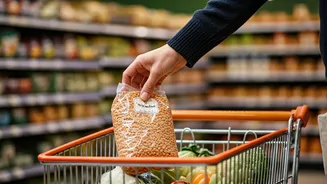
Remember when a weekly grocery run felt manageable? Lately, it feels more like a financial stress test. While the dizzying inflation peaks of the past couple of years have cooled, food prices have not returned to their pre-pandemic levels. The U.S. Department
of Agriculture (USDA) continues to forecast that food-at-home prices will rise, albeit at a slower rate than before. This phenomenon is what economists call 'disinflation,' not 'deflation'—prices are still going up, just not as fast. So, why does your bill for essentials like eggs, bread, and meat still feel so high? It’s a cocktail of factors. Lingering supply chain disruptions, elevated labor costs on farms and in processing plants, and unpredictable weather events like droughts or floods all play a role in pushing up costs. A heatwave in the Midwest can wither crops, and a bird flu outbreak can decimate poultry flocks, with the financial consequences eventually landing in your shopping cart.
Fueling Up is Still a Pinch Point
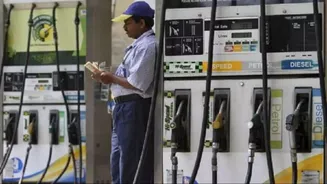
The second part of the equation is the cost of getting around, a particularly sharp pain point for rural America. While major cities offer subways, buses, and ride-sharing options, mobility in much of the country is synonymous with a personal vehicle. For rural households, life without a car is nearly impossible. Commutes are longer, trips to the grocery store or doctor’s office can be 30 miles or more, and 'running errands' is an all-day, gas-guzzling affair. According to data from the U.S. Energy Information Administration (EIA), gas prices remain volatile and significantly higher than they were just a few years ago. Global oil market dynamics, refinery capacity, and seasonal demand for fuel all contribute to the price at the pump. When gas prices spike, rural and lower-income families feel it the most, as fuel costs eat up a much larger percentage of their disposable income compared to their urban counterparts. It’s not a luxury; it's the non-negotiable cost of participation in daily life.
The Invisible Link: How Gas Prices Drive Food Costs
Here’s the connection that often gets missed: food prices and travel costs aren’t two separate problems. They are deeply intertwined. Nearly every item in a grocery store got there on a truck, and those trucks run on diesel fuel. When the cost of diesel rises, the cost of transporting food from the farm to the processing plant, to the distribution center, and finally to your local supermarket also rises. This is a fundamental input cost that gets passed down the chain. Farmers also rely heavily on diesel for tractors and other machinery. So, expensive fuel means more expensive planting, harvesting, and shipping. This creates a painful feedback loop: high energy prices make food more expensive to produce and transport, and households—especially rural ones already spending more on their own gas—are hit with a double whammy of higher costs for both food and fuel.
Why Experts Are Watching So Closely
Economists and policymakers watch these two metrics because they are barometers of household financial health. Food and transportation are essential, largely non-discretionary expenses. Unlike a new TV or a vacation, you can't simply decide not to buy groceries or not to drive to work. When a large portion of a family's budget is consumed by these necessities, it leaves little room for savings, debt repayment, or other spending that fuels the broader economy. This is particularly acute in rural areas, which can become 'food deserts' if local grocers struggle to absorb rising transportation costs, forcing residents to drive even farther for essentials. The persistent pressure from these costs is a key reason why, despite positive signs in other parts of the economy, many Americans continue to feel financially squeezed.