
Welcome to India's Secret Paradise
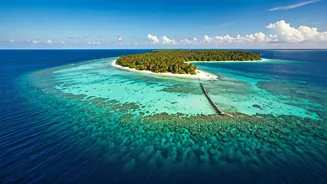
For most Americans, the name Lakshadweep probably draws a blank. Picture the Maldives, but without the sprawling luxury resorts and with a fraction of the international visitors. Located off the southwestern coast of India in the Laccadive Sea, this union
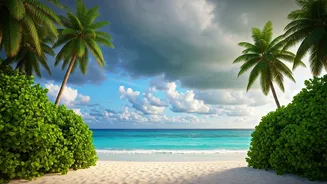
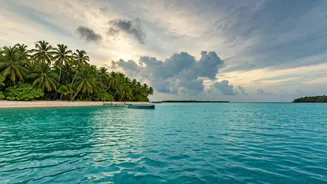
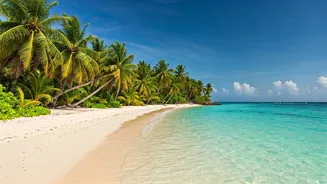
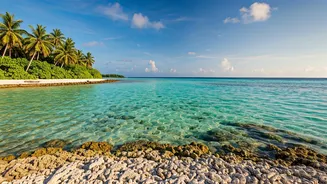
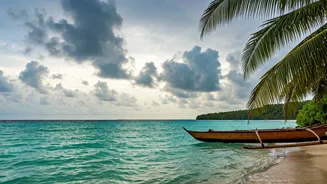
territory is an archipelago of 36 islands, only 10 of which are inhabited. It’s a world of turquoise lagoons, pristine coral reefs, and swaying coconut palms. Getting there requires effort—typically a flight from the city of Kochi to the main island of Agatti, followed by boat transfers. This relative isolation has preserved its delicate ecosystem and authentic local culture, making it a dream destination for those seeking an unspoiled tropical escape. It's the kind of place that feels like a well-kept secret, a throwback to a quieter, more connected way of life.
The Monsoon's Dramatic Makeover
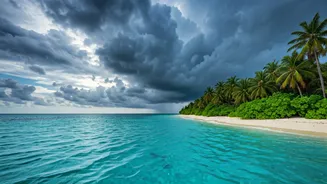
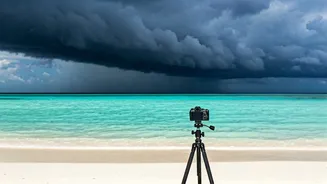
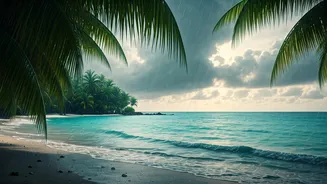
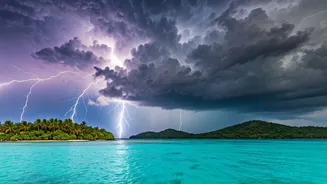
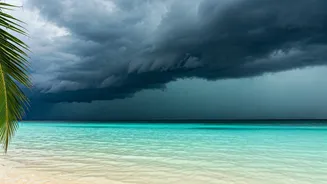
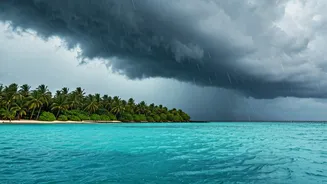
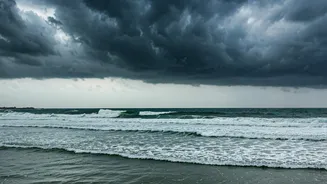
From roughly June through September, the Southwest Monsoon completely transforms the islands. This isn’t a gentle spring shower; it's a powerful, elemental force. The skies turn a dramatic slate gray, broken by shafts of brilliant sunlight. Rain arrives not in a drizzle, but in heavy, cleansing downpours that can last for hours, making the lush greenery explode in a thousand shades of emerald. The air becomes thick with the smell of wet earth and salt spray. For photographers and artists, this season is a gift. The landscape sheds its sunny, postcard-perfect demeanor for something more moody, powerful, and profound. The beauty lies in the drama: the sight of dark clouds rolling in over a turquoise lagoon, the rhythmic drumming of rain on a tin roof, and the feeling of having this wild, beautiful place almost entirely to yourself.
The Reality of 'Weather-Sensitive'
While the monsoon’s beauty is undeniable, the headline’s warning about sensitivity is a critical piece of the puzzle. This is where the dream meets a logistical reality check. The same winds that create dramatic skies also whip the sea into a churning, impassable state. Inter-island transport, which relies heavily on ferries and small boats, becomes unreliable and often shuts down completely. If you’re on one of the smaller islands, you could be genuinely stranded for days. Even the primary flight to Agatti can face significant delays or cancellations. Water sports like scuba diving and snorkeling—the main attractions for most visitors—are largely off-limits due to poor visibility and dangerous currents. Many guesthouses and some resorts even close for the season, knowing the challenges are too great for the average tourist. This isn't a minor inconvenience; it's a fundamental change in how the islands function.
A Paradise for the Patient Traveler
So, who should visit Lakshadweep during the monsoon? The answer is simple: not the person looking for a classic, sun-drenched beach vacation. If your goal is to work on your tan and go diving every day, you should book your trip between October and May. The monsoon season is for a different kind of traveler. It’s for the writer seeking solitude, the artist looking for dramatic inspiration, or the introspective person who finds peace in the power of nature. It’s for someone who considers a day spent reading a book while the rain lashes down outside a perfect afternoon. The lack of crowds becomes the main attraction. You get to experience a slice of island life at its most authentic and unhurried pace, sharing the rhythms of the season with the locals who call Lakshadweep home. It’s a trip that demands patience, flexibility, and a willingness to embrace the unpredictable.