


The Stage in the Clouds
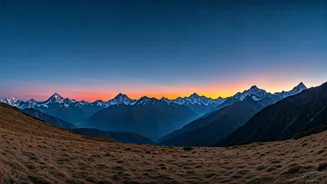
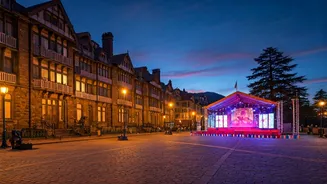
For anyone who has visited northern India, the Shimla Ridge is an unforgettable landmark. A sprawling open space in the heart of the city, it offers panoramic views of the snow-capped Himalayan peaks. Lined with the mock-Tudor facade of the Gaiety Theatre
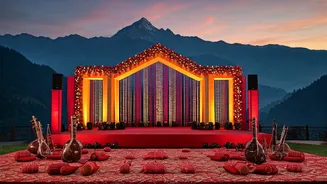
and the striking neo-Gothic Christ Church, it feels like a town square suspended in the clouds. But today, the quiet grandeur is alive with a different energy. The space has become a stage for the living traditions of Himachal Pradesh, the mountainous state of which Shimla is the capital. This isn't a museum exhibit; it's a dynamic, breathing display of culture, where the folklore of remote valleys is performed for all to see, set against one of the most stunning backdrops in the world. For American travelers accustomed to curated cultural experiences, this offers something raw and profoundly authentic—a direct line to the heart of the Himalayas.
A Dance of Communal Joy
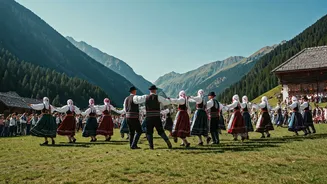
At the center of the celebration is the dance. The most iconic of these is the 'Nati,' a folk dance so integral to Himachali culture that it’s listed in the Guinness Book of World Records as the largest folk dance in terms of participation. Performers, often dressed in elaborate traditional attire, form a long, winding line, linking arms as they move in slow, graceful, and synchronized steps. The dance isn’t about acrobatic solos; it’s about unity. The gentle, undulating rhythm follows the lead dancer, creating a human chain that snakes across the performance area. The Nati tells stories of daily life, of harvests, of local legends, and of devotion to regional deities. Watching it, you get a sense that this is more than choreography. It's a social ritual, a form of communal storytelling that reinforces bonds and celebrates a shared identity forged in the challenging but beautiful mountain environment.
The Heartbeat of the Hills
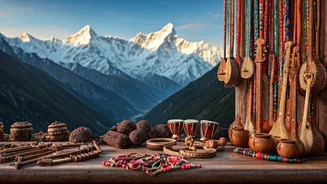
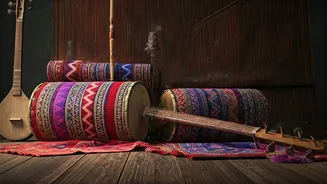
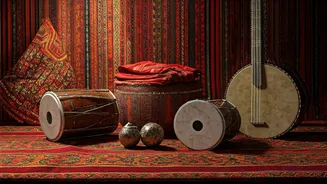
Driving the dance is the powerful, infectious music. The sound is earthy and immense, echoing across the Ridge. It’s played on a host of traditional instruments that have been used in these hills for centuries. The thunderous beat comes from the 'dhol' (a large double-headed drum) and the 'nagara' (a type of kettledrum), which provide a foundational rhythm that you feel in your chest. Weaving through this percussive force is the piercing, melodic wail of the 'shehnai' (a reed instrument similar to an oboe) and the Karnal (a long, straight brass trumpet). The resulting orchestra is anything but subtle. It’s a sound designed to carry across valleys, to announce festivals, and to summon gods. For an outsider, it's a mesmerizing wall of sound that feels as ancient and elemental as the mountains themselves.
Threads of Tradition and Identity
Just as captivating as the sound and movement are the costumes. The performers are adorned in hand-woven woolens, a testament to the region’s pastoral heritage and a practical necessity in the cold climate. Men often wear a 'chola' (a long woolen coat) held by a 'dora' (a sash), topped with a distinctive 'Himachali topi,' a round woolen cap with a colorful band that signifies which valley or district the wearer is from. The women are even more vibrantly dressed, in layered woolen shawls with intricate patterns, full-sleeved blouses, and stunning, heavy silver jewelry. Necklaces, earrings, and head ornaments ('chakk') are not just decorative; they are heirlooms, symbols of status, and a family's wealth, passed down through generations. Each piece tells a story of place, craft, and lineage, turning the dancers into living archives of their culture.