


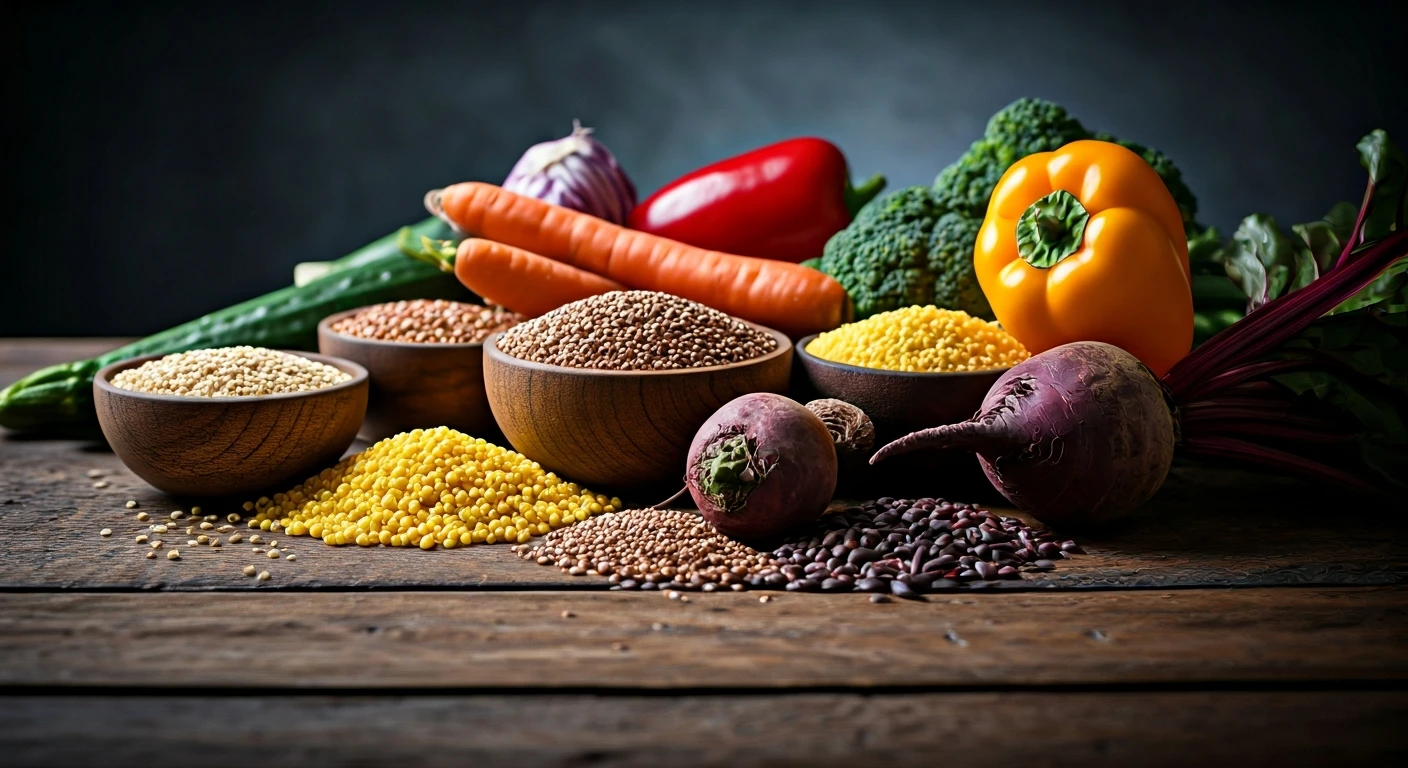


The Main-Character Moment for Vegetables
For decades, the American restaurant plate followed a predictable formula: a large piece of protein at the center, flanked by a carbohydrate and a dutiful, often forgettable, vegetable. That vegetable was the culinary equivalent of a background actor—present,
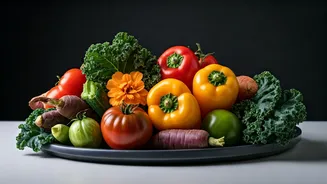
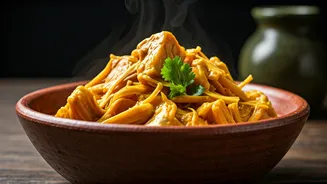
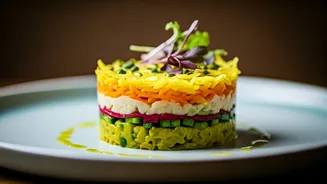
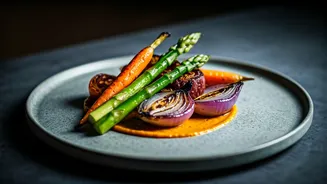
but rarely impactful. That era is decisively over. Across the country, in buzzy fine-dining establishments and casual neighborhood bistros alike, vegetables are being treated with newfound respect and swagger. We’re not just talking about vegetarian or vegan restaurants, though they are certainly part of the story. This is a broader culinary shift where chefs are applying high-level technique and bold flavor profiles to everything from carrots to cabbage, proving that a plant-based dish can be just as complex, satisfying, and crave-worthy as its meaty counterpart. It’s a move from obligation to inspiration, where the humble veggie is finally getting its star turn.
Why Now? The Roots of the Revolution
Several forces are converging to fuel this vegetable renaissance. First is a growing public consciousness around health and sustainability. Diners are more aware than ever of the environmental footprint of meat production and are actively seeking lighter, plant-forward options. But this isn't just about asceticism; it’s also about culinary curiosity. For chefs, the protein-centric model had become creatively confining. Vegetables, with their vast diversity of flavors, textures, and colors, represent a fresh canvas. From tender shoots in the spring to hearty root vegetables in the winter, the seasonal pantry offers an endless source of inspiration that challenges chefs to innovate. This creative challenge, combined with diner demand, has created a perfect storm for produce to take center stage. It's a win-win: chefs get to flex new creative muscles, and diners get to experience food that is both delicious and more aligned with modern values.
The Chef's New Toolkit
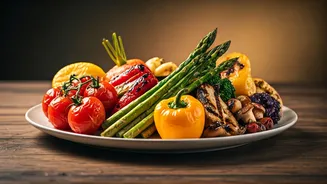
So what does “restaurant-level energy” actually look like on the plate? It’s all about technique. Gone are the days of simple steaming or boiling. Today’s chefs are borrowing from a global playbook to unlock the maximum potential of every vegetable. Think high-heat roasting and charring until cauliflower and Brussels sprouts become deeply caramelized and nutty. Imagine whole cabbages grilled over open flames until smoky and tender, then drizzled with a savory, umami-packed sauce. Chefs are also embracing fermentation, pickling, and aging to develop complex, funky flavors that add depth and intrigue. Vegetables are being shaved, pureed, confited, and even treated like meat—think mushroom “steaks” seared in a cast-iron pan or beet “tartare” that mimics the classic dish in texture and richness. It’s an approach that focuses on building layers of flavor and creating dynamic textures that keep you coming back for another bite.
The Quest for Satisfaction
The ultimate goal of this new veggie-centric cooking is to achieve the same level of deep satisfaction that diners traditionally sought from meat. A key part of this is mastering umami, the so-called fifth taste associated with savory, meaty flavors. Chefs are achieving this with ingredients like miso paste, nutritional yeast, soy sauce, and a heavy reliance on mushrooms and sun-dried tomatoes. A simple roasted carrot, for example, might be glazed with a miso-butter, transforming it from sweet to profoundly savory. Texture is the other half of the equation. A great vegetable dish offers contrast: the crispy, charred exterior of a potato giving way to a fluffy interior; the crunch of toasted nuts over a silky eggplant puree; the crisp-tenderness of a perfectly blanched green bean. By treating vegetables with this level of intention, chefs are proving that a meal doesn't need meat to feel complete, hearty, and deeply gratifying.