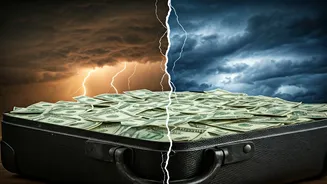









The New Rules of Travel Pricing
Not long ago, the simplest travel advice was to book early. Today, that’s only half the story. The travel industry—from airlines to hotels to theme parks—runs on dynamic pricing. Think of it like surge pricing for your vacation: when demand is high, prices
soar. When demand is low, deals can be found. Companies use sophisticated algorithms that analyze historical data, booking trends, competitor pricing, and even local events to adjust prices in real time. This means the price you see for a flight to Miami in March is radically different from the one for that same seat in August. The key isn't just booking months in advance, but understanding *when* the system is designed to give you a break.
Embrace the Shoulder Season
This is where the “rainy trip” comes in. Experts call the sweet spot between the frenetic peak season and the quiet off-season the “shoulder season.” It’s that magical time—like September in a European beach town or April in a Colorado ski resort—when the weather is still pleasant, the crowds have thinned, and prices for flights and accommodations drop significantly. The same logic applies to weekdays versus weekends for a city break. A Tuesday flight is almost always cheaper than a Friday one. Choosing to travel during these less-popular windows isn’t about settling for a worse experience. In fact, it often leads to a better one. You’re trading the theoretical perfection of peak season for the tangible reality of more space, lower costs, and a more relaxed atmosphere.
Let the Data Be Your Guide
You don't need a degree in data science to play this game; you just need the right tools. This is where pricing data becomes your superpower. Apps and websites like Google Flights, Hopper, and Kayak have democratized travel planning. They don’t just show you current prices; they show you the data behind them. Google Flights’ price graph, for instance, lets you see how fares change over an entire month, making it painfully obvious that shifting your trip by a few days can save you hundreds of dollars. Hopper uses historical data to predict whether you should book now or wait for a potential price drop. By setting alerts and staying flexible with your dates, you can let the data tell you when the most opportune—and affordable—moment to book your trip has arrived.
The 'Smarter' Feeling Isn't Just About Money
Saving 40% on a hotel room is a clear win. But the satisfaction of a well-planned, off-peak trip goes deeper. It's the feeling of strolling through a museum without a crowd, getting a dinner reservation at that popular restaurant without booking a month ahead, and having a more authentic conversation with a local who isn’t overwhelmed by tourists. This is the psychological payoff of feeling like you’ve outsmarted the system. You didn't just passively accept the default high-season option. You used information to make a deliberate, strategic choice that resulted in a better outcome. The trip might have involved a slightly higher chance of a rain shower or a need for a light jacket, but the rewards—financial, practical, and emotional—far outweighed that minor inconvenience. You didn’t just take a vacation; you executed a flawless travel hack.