




From Pungency to Poetry
It wasn't long ago that buying Indian food products in the U.S. felt purely transactional. The packaging on a bag of basmati rice emphasized its length and aroma. A box of spice mix, or masala, boasted of its authentic color or pungent heat. The pitch
was functional: Our product has the best specs. It was about selling a list of ingredients. But a dramatic shift is underway. The new playbook isn’t about the technical perfection of a spice blend; it's about what that blend represents. Brands are moving from the kitchen counter to the heart, trading product claims for emotional resonance. The conversation is no longer about the quality of the turmeric, but about the memory of your grandmother’s hands, stained yellow from cooking a family feast.
The Taste of Nostalgia
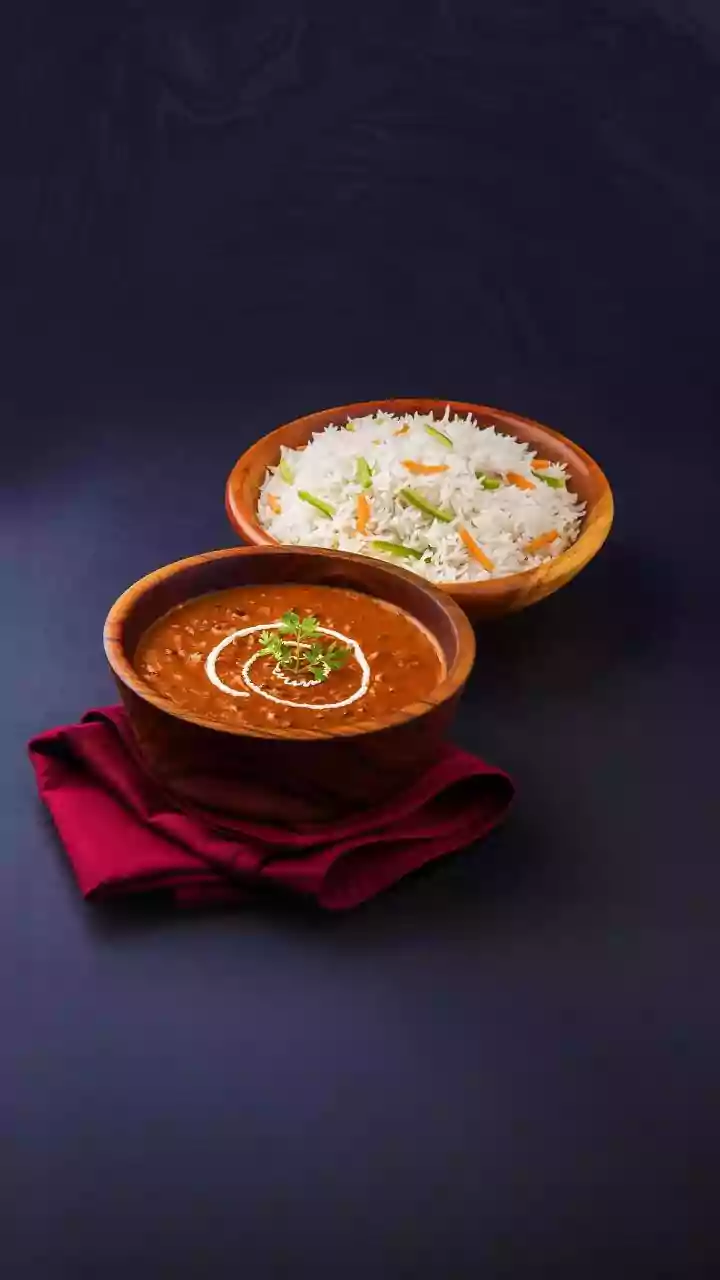
This new strategy is all about storytelling. Take the classic Indian spice brand MDH Masala. For decades, its ads featured the company’s late, venerable owner, assuring customers of quality. It was about trust and tradition. Today's campaigns, from a host of new and old players, go a step further. An ad might show a young professional in a sterile high-rise apartment, tasting a spoonful of a ready-to-eat dal that instantly transports them back to their family’s bustling dinner table in a faraway village. Another might feature a non-resident Indian (NRI) returning to the U.S. after a trip home, their suitcase full of spice packets that serve as edible souvenirs, a cure for impending homesickness. The product is no longer the hero of the story; the emotion is. The food is simply the vehicle for delivering a feeling of connection, belonging, and love.
Why Now? The Diaspora and Authenticity
Two major forces are driving this emotional gold rush. First, the Indian diaspora in the United States and other Western countries is larger, more affluent, and more influential than ever. This audience isn't just looking for ingredients; they're searching for a connection to their heritage. For second- and third-generation immigrants, a specific brand of pickle or a familiar spice mix can be a tangible link to a culture they experience more distantly. For brands, this market is a massive opportunity. Selling a taste of “home” to someone thousands of miles away is a powerful and lucrative proposition. Second, the market back in India is incredibly saturated. With countless local, regional, and national brands competing for shelf space, simply having a good product is no longer enough. Emotional branding allows a company to stand out. By creating a narrative that resonates with consumers’ values and memories, a brand can build loyalty that transcends price and convenience. It becomes more than a product; it becomes part of the consumer's identity.
Beyond the Spice Aisle
This trend extends far beyond powdered spices. Frozen food brands sold in American supermarkets, like Deep Indian Kitchen or the aptly named Desi Kitchen, are weaving stories directly into their packaging. A box of frozen samosas might include a short blurb about the street food culture of Delhi. A chicken tikka masala meal will have a narrative about its origins. It’s a deliberate strategy to transform a quick weeknight dinner into a mini-cultural experience. The meal becomes an exploration, not just a convenience. By framing their products this way, brands are inviting American consumers of all backgrounds to not just eat Indian food, but to understand the context and emotion behind it. It’s an invitation to a story, with the purchase as the price of admission.